Discover effective pillows designed to relieve sciatica-related pain and improve sleep quality. This guide highlights five proven options, explains who each is best for, and offers practical buying tips. Ideal for side sleepers, people with lower back or hip pain, and anyone seeking targeted pressure relief during rest.
Summary of selected products:
| Product | Best For | Key Benefit | Size (approx.) |
|---|---|---|---|
| BlissTrends Memory Foam Knee Pillow | Side sleepers seeking knee/hip alignment | Ergonomic knee support to align spine and reduce knee pressure | 10″ x 7.9″ x 5.7″ |
| Everlasting Comfort Doctor Recommended Seat Cushion | People with tailbone and lower back pain during long sits | Ergonomic cutout to relieve coccyx and support posture | Large size (chair/desk use) |
| vamorry Lumbar Support Pillow | Side/back sleepers needing breathable cooling lumbar support | Cooling gel, precise lumbar support for various sleeping positions | Compact lumbar wedge |
| TULARIS Memory Foam Knee Pillow | Side sleepers with sciatica and hip pain | Adjustable strap to stay in place between legs | ~10″ x 9.5″ x 5″ |
| NATUMAX Knee Pillow For Side Sleepers | Pregnant individuals and those with sciatica | Ergonomic design for knee/hip/back alignment | Between knee placement, size ~9-10″ |
BlissTrends Memory Foam Knee Pillow

Best for: Side sleepers who want stable knee and spine alignment. This knee pillow uses high-density memory foam to provide firm, responsive support, helping to reduce pressure on the hips, knees, and lower back. The ergonomic shape keeps the pillow in place, minimizing movement during sleep. The removable, washable cover enhances hygiene and skin comfort.
Why selected: The combination of durable memory foam and a compact, body-conforming shape makes it a reliable choice for maintaining proper alignment without shifting. It directly targets knee-corner pressure and can help ease sciatica-related discomfort through better posture.
Caution: The pillow’s size is compact; taller users or those needing very thick support may prefer a larger or thicker option.
Everlasting Comfort Seat Cushion
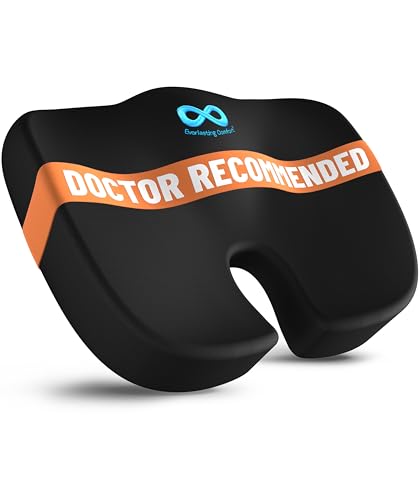
Best for: Individuals who sit for long periods and need coccyx and lower back relief. The ergonomic “U” cutout relieves pressure on the tailbone while the memory foam conforms to the hips and spine, promoting a healthier seated posture whether at a desk or in a car.
Why selected: It provides ongoing support during activities that aggravate sciatica, such as desk work or driving. The non-slip bottom helps keep the cushion in place, reducing shifts that can disrupt sleep-related recovery when resting during breaks or travel.
Caution: Designed primarily for seated use; it does not replace overnight sleeping support for bed arrangements.
vamorry Lumbar Support Pillow

Best for: Sleepers who want cooling lumbar support to maintain the spine’s natural curve. This pillow uses cooling gel to reduce heat buildup and offers targeted lumbar contouring for side, back, or mixed sleeping positions.
Why selected: The cooling feature adds comfort on warmer nights and supports long-term lumbar positioning, which can help alleviate sciatica-related discomfort over time. The design facilitates versatile placement to address multiple sleeping styles.
Caution: Gel-based designs may feel firmer initially for some users; consider comfort preference for gel versus foam alone.
TULARIS Memory Foam Knee Pillow

Best for: Side sleepers with sciatica who need reliable stay-on support between the knees. The heart-shaped design, combined with an adjustable strap, keeps the pillow in place even during movement, aiding spine and hip alignment.
Why selected: The strap-equipped design minimizes pillow migration, a common issue for restless sleepers, and the ergonomic contour supports the knee alignment critical for reducing sciatic nerve pressure. This option is suitable for pregnancy and post-surgery comfort as well.
Caution: The fit might feel tighter for some body types; ensure the strap length accommodates your leg spacing comfortably.
NATUMAX Knee Pillow For Side Sleepers
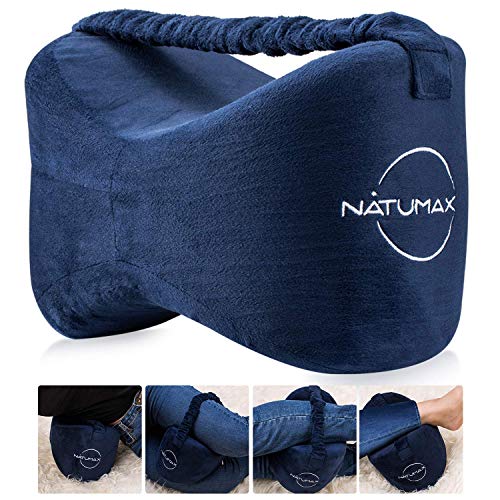
Best for: Expectant individuals and anyone seeking sciatica relief through leg positioning. The ergonomic knee pillow promotes alignment of hips, knees, and back, with multiple positioning options to adapt to sleeping style.
Why selected: Its multi-position design supports various sleeping arrangements and pregnancy comfort, which is often associated with improved sciatica symptoms. The cover is easy to wash, aiding hygiene for regular use.
Caution: For very tall or dense leg configurations, verify thickness and between-knee clearance to avoid overextension.
Buying Guide: Key Considerations For Sciatica-Pain Relief Pillows
- Sleeping position compatibility: Side sleepers may benefit most from knee pillows and leg-hugging designs, while back sleepers may value lumbar-support cushions and wedge shapes.
- Support type and material: Memory foam provides contouring and pressure relief, while cooling gels help regulate temperature. Consider a cover that is breathable and easy to wash.
- Stability features: Look for stay-on technology, straps, or contoured shapes to minimize movement during sleep.
- Targeted relief zones: For sciatica, prioritize products that support hips, lower back, and knee alignment to reduce nerve tension.
- Versatility: Multi-use cushions (for seating as well as sleeping) can provide continuous pain relief during day and night, but ensure you use each product as intended for best results.
- Care and maintenance: Removable covers for washing extend product life and hygiene, especially for sensitive skins or long-term use.
- Size and fit: A pillow that is too thick or too small may fail to align the spine. Check dimensions and user height for best results.
Frequently Asked Questions
- Do knee pillows really help with sciatica?
Yes. Knee pillows can improve hip and spine alignment, reducing pressure on the sciatic nerve as you sleep, which may ease discomfort over time.
- Are memory foam pillows better for sciatica than gel pillows?
Memory foam contours to your body and provides consistent support, while gel cushions help regulate temperature. The better choice depends on personal comfort and symptom pattern.
- Can I use a seat cushion for sleeping?
Seat cushions are designed for seating and may not provide proper support for sleeping positions. They can complement a sleep pillow but are not a direct substitute for night-time comfort.
- How do I know which pillow to choose for pregnancy-related sciatica?
Pregnancy often benefits from between-the-knees designs and supportive wedges that relieve hip and lower back pressure without restricting circulation.
- How should I care for these pillows?
Most options have machine-washable covers. Follow the manufacturer’s care instructions to preserve foam integrity and extend the pillow’s lifespan.