The following selections focus on compact cooling for small rooms up to about 250 sq ft. Each unit is chosen for efficiency, quiet operation, and ease of installation or use in small bedrooms, home offices, or studio apartments. The list emphasizes 5,000–6,000 BTU models from trusted brands, plus a few standout compact options. Below is a quick reference table of the chosen products and their core specs to help you compare at a glance.
| Product | BTU / Suitable Area | Type | Notable Feature |
|---|---|---|---|
| GE Window Air Conditioner Unit (5,000 BTU) | 5,000 BTU — up to 150 sq ft | Window | Easy install kit included |
| Midea 5,000 BTU EasyCool | 5,000 BTU — up to 150 sq ft | Window | Energy efficient CEER 11.0 |
| Amazon Basics 5,000 BTU | 5,000 BTU — up to 150 sq ft | Window | Two-in-one cooling and fan modes |
| GE Window Air Conditioner Unit (6,000 BTU) | 6,000 BTU — up to 250 sq ft | Window | Electronic controls; quiet operation |
| Amazon Basics 6,000 BTU | 6,000 BTU — up to 250 sq ft | Window | Digital display; easy maintenance |
GE Window Air Conditioner Unit, 5,000 BTU

GE’s 5,000 BTU window unit is designed for small rooms up to 150 sq ft. It ships with an easy-install kit for quick setup and provides mechanical controls for straightforward operation. The unit emphasizes low-noise performance, making it suitable for bedrooms or spaces where quiet cooling is preferred. Its compact size helps fit standard windows, and the 5000 BTU rating targets light-to-moderate cooling needs in compact spaces.
Midea 5,000 BTU EasyCool Small Window AC
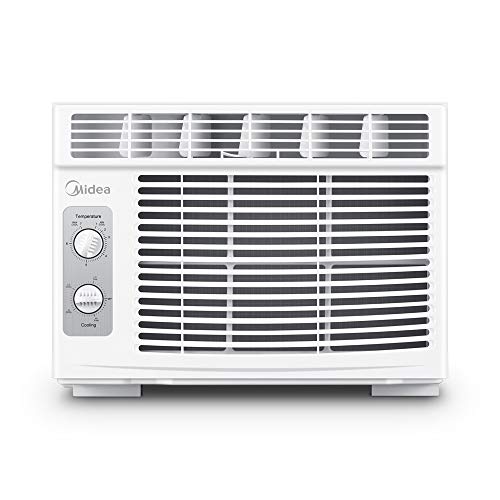
Midea’s EasyCool 5,000 BTU model is designed for up to 150 sq ft. It features a user-friendly mechanical control layout and a reusable filter. With seven temperature settings and two cooling/fan speeds, you get flexible comfort. The unit’s CEER rating of 11.0 signals energy efficiency, which can help manage annual cooling costs. A quiet operation profile makes it suitable for bedrooms and home offices where minimal noise is important.
GE Window Air Conditioner Unit, 6,000 BTU

GE’s 6,000 BTU model is intended for rooms up to 250 sq ft, offering a balance of cooling power and compact design. It includes an easy-install kit and features electronic controls tailored toward reliable performance in smaller living spaces. This unit is positioned as a practical option for small bedrooms or compact living areas that require a bit more cooling capacity than the 5,000 BTU models.
Amazon Basics 6000-BTU Window Air Conditioner

The Amazon Basics 6000 BTU model is designed for spaces up to 250 sq ft, delivering cooling and fan modes with a washable filter for low-maintenance use. It includes a digital temperature display and a remote control for convenient adjustments from across the room. Its 7-temperature settings and 2-way air direction control support personalized comfort in small to mid-sized rooms.
Amazon Basics 5000-BTU Small Window Air Conditioner

Amazon Basics’ 5,000 BTU unit targets small spaces with up to 150 sq ft cooling capacity. It offers two-in-one cooling and fan options with a washable filter and an adjustable window kit. The controls are mechanical, providing straightforward operation, which can be advantageous for users who prefer simple, reliable performance without digital interfaces.
Buying Guide: Key Purchase Considerations For Small Rooms
Choosing the right small air conditioner involves balancing room size, energy efficiency, noise levels, and installation practicality. Here are core considerations to help you decide.
- Room size and BTU: Start with a BTU calculation for your space. A 5,000 BTU unit is typically suitable for up to 150 sq ft, while 6,000 BTU models fit up to about 250 sq ft. Avoid undersized units, which run continuously without achieving desirable cooling.
- Window type and installation: Window ACs require a compatible window. Check kit inclusions and assess whether you’ll need professional installation or can complete setup with the included accessories.
- Energy efficiency: Look for CEER or EER ratings. Higher ratings mean better efficiency and lower operating costs over time. Energy-efficient models often also run more quietly.
- Controls and maintenance: Mechanical controls are simple and reliable, while digital displays offer precise settings. Removable, washable filters simplify upkeep and can improve indoor air quality.
- Noise levels: For bedrooms and workspaces, consider models marketed as quiet or with low decibel levels. A quieter unit improves comfort during sleep or study.
- Additional features: Features like 2-way air direction, programmable timers, remote controls, and sleep modes can enhance daily usage and comfort in small rooms.
- Portability vs. fixed installation: Portable options exist for those who need to relocate cooling; window units are typically more energy-efficient per BTU and easier to seal in a window.
Comparative Perspectives
For tight spaces, 5,000 BTU units offer adequate cooling with lower energy use, ideal for bedrooms or small offices. If you anticipate hotter days or larger small rooms, a 6,000 BTU model provides more flexibility while still remaining compact. Window units with washable filters reduce ongoing maintenance, and digital displays with remotes help manage comfort from across the room. Consider also energy efficiency ratings to minimize annual operating costs, especially in hotter climates.
In sum, the best small air conditioner depends on room size, noise tolerance, and installation preferences. The five selections above provide a spectrum of reliable, compact options that balance cooling performance with practicality for American homes.