Find effective window filtration options to cut pollen, dust, and other allergens from entering your home. This guide targets shoppers seeking simple, installable screens and filters that fit typical residential windows and doors. The top picks below are chosen for reliability, fit flexibility, and ease of installation. Best for allergy sufferers who want maximum filtration without complex installs, or for renters needing temporary, non-permanent solutions.
Summary of chosen products:
- QuietCool Clean Air Window Screen (28 x 96 inch) — High-efficiency pollen and dust reduction with DIY install.
- RODENET High Density Screen Pollen Proof Net (37 x 99 inch) — Durable, high-density mesh with easy trimming.
- Frost King 2AWS1145 WB Marvin Adjustable Window Screen (2-Pack) — Classic adjustable screens, hassle-free installation.
- HOMWMPA Pollen Window Screen (39 x 99 inch) — Thick, high-density mesh, customizable sizing.
- AllergyGuard Window Screen Kit — DIY installation with adhesive tape for filtration at home.
QuietCool Clean Air Window Screen

The QuietCool window screen is MERV 5 rated and ASHRAE 52.2 tested, designed to block dust, pollen, and allergens by up to 90%. This makes it suitable for households needing strong allergen control while maintaining airflow. The product is presented in a large size and intended for DIY installation, making it a good option for homeowners who want a straightforward upgrade to filtration without professional help.
Best for: Homes facing high pollen seasons or dust exposure, where a straightforward, high-coverage screen is desired. Choose this if you want a proven filtration level with easy installation. Caution: Large panels require careful handling during installation to ensure a secure fit.
RODENET High Density Screen Pollen Proof Net

RODENET offers a fine, high-density screen with a meticulous weave designed to improve dust and pollen protection. The mesh is augmented with additional lines, adding strength without significantly reducing ventilation or light transmission. The product emphasizes durability, tear resistance, and ease of trimming for custom window or door openings.
Best for: Users needing a durable, high-density screen that can be trimmed to fit various openings. Better for: mounting in windows with irregular frames where a precise fit improves filtration. Caution: The extra mesh lines are subtle; ensure they do not interfere with fit in very tight spaces.
Frost King 2AWS1145 WB Marvin Adjustable Window Screen

Frost King Marvin adjustable screens offer a hassle-free installation experience, with zinc-plated nails included and the original W.B. Marvin screen design noted for ease of use. The 2-pack provides a cost-effective solution for multiple window openings, making it convenient for larger homes or seasonal use. The bright mesh wire helps with visibility and airflow while providing a filtration layer.
Best for: Homeowners seeking a traditional, tool-light screen option that easily fits standard window openings. Choose this if you need a reliable, widely compatible screen with simple installation. Caution: Some window frames may require additional mounting adjustments to ensure a snug fit.
HOMWMPA Pollen Window Screen

HOMWMPA provides a high-density window screen designed to reduce pollen and dust entry. The mesh features 100 holes per inch, with a thin central thread intended to prevent small pests while preserving airflow. The screen is supplied in a 39 x 99 inch size and can be cut to fit to specific openings. It comes rolled to reduce creases and speed up installation.
Best for: Shoppers who need a cut-to-fit solution with a very dense mesh, especially for doors or windows with smaller screen areas. Better for: users who want a ready-to-use roll that minimizes creases after installation. Caution: Cutting accuracy is important to maintain an even seal around the frame.
AllergyGuard Window Screen Kit
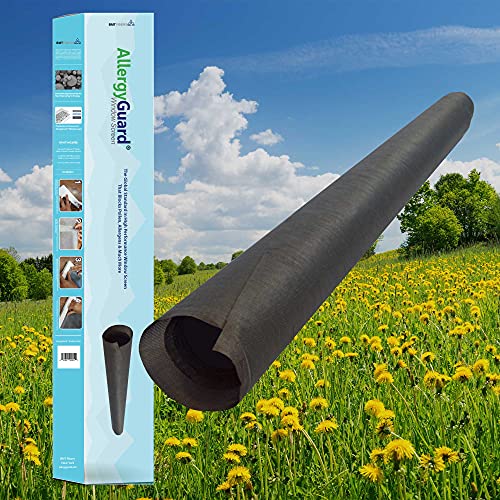
This DIY kit includes an AllergyGuard screen and two-sided adhesive tape to enable a tool-free installation. The kit emphasizes outstanding filtration efficiency and airflow, making it a practical option for those who want a complete at-home solution without external services. It can be used for standard window screens where adhesive installation is feasible.
Best for: Renters or homeowners who prefer a full DIY kit with adhesive-based installation. Choose this if you want a quick, non-permanent upgrade to filtration. Caution: Adhesive-based installations may require cleaning and surface preparation for best results, and may not suit all window types.
Buying Guide: Window Filters For Allergies
- What filtration level do you need? Consider MERV ratings and pollen capture efficiency. Higher density screens block more particles but may reduce airflow slightly.
- What size and shape are your openings? Many products offer adjustable or trim-to-fit options. Measure width and height carefully before purchase.
- Installation method matters. DIY kits with adhesive or tool-free installs are ideal for renters; tool-required screens may provide a more secure fit for long-term use.
- Materials and durability. Look for tear-resistant mesh and corrosion-resistant frames for longer life in varied climates.
- Maintenance and cleaning. Some screens require occasional cleaning or replacement; consider how easy it is to remove and re-install.
- Fit for purpose. If you have allergies to multiple allergens, prioritize high-density or multi-layer screens with proven filtration performance.
Frequently Asked Questions
- How do window screens help with allergies? Window screens reduce the amount of pollen, dust, and other allergens entering a home, potentially lowering indoor allergen levels.
- What is MERV, and why does it matter for window screens? MERV is a rating that indicates a filter’s ability to remove particles from the air. Higher MERV values generally indicate better filtration.
- Can I install these screens myself? Most products in this list are designed for DIY installation, with options ranging from adhesive kits to trim-to-fit screens.
- Will high-density screens reduce airflow? Very dense meshes can slightly reduce airflow, but many modern designs balance filtration with ventilation.
- How often should I replace window screens for allergies? Replacement frequency depends on wear, exposure, and cleaning routines; inspect screens annually and replace when tearing or significant airflow loss occurs.
- Are there allergen-specific filters for windows? Yes, several products target pollen and dust specifically and are designed for easy home installation without specialized equipment.