Textured walls add character to a room, but choosing the right white paint can be tricky. You need a finish that hides texture imperfections, resists mold and moisture, and dries with minimal odor. The following guide highlights top white paints and texture options designed for interior walls, ceilings, and trim. Each choice balances coverage, adhesion, and ease of application to help you achieve a clean, uniform look on textured surfaces.
Summary Table of Selected Products
| Product | Brand | Highlight | URL |
|---|---|---|---|
| Zinsser PERMA-WHITE Mold & Mildew Proof Interior Paint | Zinsser | Self-priming, mold/mildew resistant, durable white | View |
| Rust-Oleum Painter’s Touch Latex Paint | Rust-Oleum | Low odor, versatile interior/exterior use, quick-dry | View |
| Rust-Oleum Stops Rust Textured Spray Paint | Rust-Oleum | Texture-ready spray for walls and surfaces, quick coverage | View |
| Homax Aerosol Wall Texture, Knockdown | Homax | Knockdown texture with spray-on convenience | View |
| DWIL White Touch Up Paint | DWIL | Built-in brush, multi-surface touch-up | View |
Zinsser PERMA-WHITE Mold & Mildew Proof Interior Paint

Zinsser PERMA-WHITE is designed for interior walls and ceilings, emphasizing resistance to mold and mildew. The self-priming formula helps to reduce prep time on textured surfaces, creating a durable film that resists dirt and moisture. The eggshell white finish provides a soft glow that can help texture details read as refined rather than blotchy. This option is especially suitable for bathrooms, kitchens, or other high-humidity spaces where textured walls are common.
Key features include a guaranteed five-year mold/mildew-proof film and a coating that holds up against dirt and moisture on the film itself. Application considerations include brushing or rolling on slightly textured surfaces to maximize adhesion. For rooms with moderate to heavy texture, applying in thinner coats can help to avoid pooling while still achieving an even color. This paint is often favored when longevity and moisture resistance are priorities in a white finish.
Rust-Oleum Painter’s Touch Latex Paint
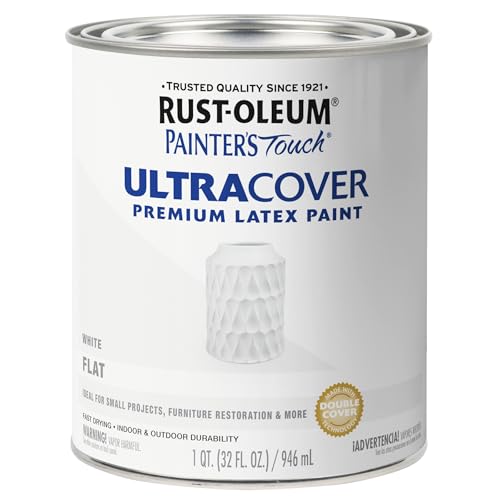
Rust-Oleum Painter’s Touch Latex Paint is a versatile choice for walls, ceilings, and trim across a variety of interior surfaces. Its low-odor water-based acrylic formula is suitable for rooms where texture is prominent, helping to maintain a clean, bright look without overpowering the texture. The finish is typically matte or eggshell, depending on the product line, and is designed to resist chips for long-lasting results on textured walls. It dries relatively quickly, enabling faster project completion.
Consider its compatibility with plaster, drywall, and masonry textures. For textured walls, applying in light, even coats using a high-quality roller or brush helps to minimize roller marks and ensure uniform coverage over raised textures. The product’s low odor profile is a practical benefit for indoor painting projects where ventilation may be limited.
Rust-Oleum Stops Rust Textured Spray Paint

Stops Rust Textured Spray Paint provides a convenient way to add a textured white finish directly to interior or exterior surfaces like wood, metal, concrete, and masonry. The oil-based formula offers robust coverage and rust protection, with a fast-drying window that suits DIY timelines. While it’s marketed for durability, its inherent texture helps conceal irregularities on textured walls, offering a consistent look across large or irregular surfaces. Drying to the touch in minutes enables rapid project progression.
When using a textured spray on walls, it’s important to prep the surface, shake the can, and apply even, sweeping passes to ensure consistent texture. This option is particularly useful for accent walls or areas where you want a pronounced, tactile finish while staying within a white palette.
Homax Aerosol Wall Texture, Knockdown

Homax Knockdown texture in an easy-to-use aerosol format allows quick replication of existing wall textures. This water-based product enables you to spray on a medium to heavy knockdown texture, then knock it down with a trowel or brush before painting. The result is a uniform textured backdrop that helps hide prior imperfections on interior walls. It’s especially helpful for repairs or remodeling projects where you’re matching texture to existing walls without extensive drywall work.
Texture matching is a key consideration with Homax products. The spray intensity and dwell time can be adjusted to suit the desired depth of texture, and it pairs well with white finishes from both the Zinsser and Rust-Oleum families for a cohesive look.
DWIL White Touch Up Paint

DWIL White Touch Up Paint is a DIY-friendly option for repairing small chips, scratches, and imperfections on walls with textured surfaces. The 1.5 fl oz pen format includes a built-in brush for precise application, making it convenient for touch-ups on walls, trim, doors, cabinets, and other interior elements. While not a full repaint, it offers a quick fix to maintain a uniform white appearance across textured areas, reducing the need for larger renovation projects.
Buying Guide: Key Considerations For White Paint On Textured Walls
- Surface type and texture: Drywall, plaster, or masonry textures require paints with good adhesion and a finish that minimizes texture highlights. Primers like mold/mildew resistant variants help maintain long-term appearance on humid walls.
- Finish options: Eggshell, satin, and matte finishes balance washability and appearance. For high-traffic areas, a satin or eggshell may provide better scrubbability without emphasizing texture too harshly.
- Moisture resistance: In kitchens, bathrooms, or basements, mold/mildew resistance and moisture tolerance extend the life of the coating on textured surfaces.
- Application method: Rollers, brushes, or aerosols each have strengths on textured walls. Textured finishes may benefit from longer nap rollers or spray textures to ensure even coating and texture continuity.
- Drying time and odor: Water-based latex paints offer low odor and fast drying, while oil-based or hybrid formulas may provide more durability on rough textures but require ventilation and longer cure times.
- Coverage and waste: Look for higher coverage per gallon to reduce application time on textured walls. Be prepared for touch-ups with a white touch-up product for minor repairs.
- Maintenance and cleanliness: Choose paints that resist dirt and stains on textured surfaces to maintain a clean appearance over time.
- Color consistency: White shades vary slightly between brands. If matching existing white, consider buying the same brand or test patches to ensure color uniformity across walls and texture.
Overall, selecting a white paint for textured walls involves balancing adhesion, texture concealment, moisture resistance, and ease of application. The highlighted products offer a range of finishes and textures, from mold-resistant primers to spray textures and touch-up options, enabling a cohesive white look across rooms with varied textures.