Answering the top buyer question: which weather stripping for screen doors provides the best seal, is easy to install, and fits a range of door types? This guide compares five leading options to help you choose. Ideal for homeowners seeking energy savings, reduced noise, and fewer drafts around screen doors and adjacent gaps. Each option targets common door gaps, from sliding screen doors to entry thresholds, with clear pros, best-fit scenarios, and a practical limitation to consider.
Summary table of chosen products
| Product | Best For | Type | Approx. Length | Key Benefit |
|---|---|---|---|---|
| Prime-Line B 705 Bug Seal | Sliding screen doors with glass panel gaps | Vinyl Bug Seal | 84 inches | Pre-formed lines for flexible fit |
| Cottonwood Hardware Screen Door Bug Seal | Patio sliding doors; easy cut-to-fit | Vinyl Rubber Seal | 84 inches | Made in USA; adjustable score-lines |
| GroTheory Door Draft Stopper (White, 2″ x 39″) | Under doors; interior/exterior transitions | Silicone Draft Stopper | 39 inches | Triple design for noise and dust reduction |
| Ormein Door Draft Stopper | Bottom of exterior/interior doors; versatile fit | Silicone Draft Stopper | 39 inches | High resilience; multi-purpose, pet-friendly |
| OXRQ Door Draft Stopper | General door bottoms; quick install | Silicone Draft Stopper | 39 inches | Strong adhesive; easy to cut |
Prime-Line B 705 Bug Seal for Sliding Screens

Best for: sliding screen doors that need a flexible, pre-formed seal to cover gaps between door and glass. The 84-inch vinyl seal features three pre-formed lines, allowing coverage from 7/8 to 1-3/8 inches.
Why chosen: It adapts to common gap widths without adhesive, using an angled press-in fit. This makes it a straightforward retrofit for existing screens where a simple, non-residue install is preferred.
Limitation: No adhesive means installation relies on the door frame’s channel fit; if channels are damaged or oddly shaped, it may require a different mounting approach.
Cottonwood Hardware Screen Door Bug Seal Strip

Best for: patio sliding screen doors that require a durable, American-made seal with adjustable length. The 84-inch seal is designed to press into a seal channel and can be cut to fit as needed.
Why chosen: Its four pre-formed score lines help tailor the flap length to fit gaps precisely, reducing bugs while preserving smooth door movement.
Limitation: The seal relies on a compatible seal channel; if your door lacks a suitable channel, installation may be less secure.
GroTheory Door Draft Stopper (2-Pack)

Best for: interior and exterior doors needing effective bottom sealing with a flexible, long-lasting design. This 2-pack provides broad coverage for multiple doors in a home or small office.
Why chosen: The triple-design design reduces noise, dust, and drafts, contributing to energy efficiency. It’s ideal where multiple doors share a common threshold.
Limitation: Silicone stoppers require clean, dry surfaces for best adhesion; poor surface prep can reduce stickiness over time.
Ormein Door Draft Stopper

Best for: doors needing a versatile, multi-purpose weatherstripping solution that also helps muffle noise. Suitable for doors with varying gaps around the bottom edge.
Why chosen: Thickened silicone provides high resilience and a barrier against airflow, while self-adhesive backing facilitates quick installs. It’s reusable across seasons and can be trimmed as needed.
Limitation: Installation can benefit from warmth; in very cold environments, pre-warming the strip may help with adhesion and bending around irregular thresholds.
OXRQ Door Draft Stopper
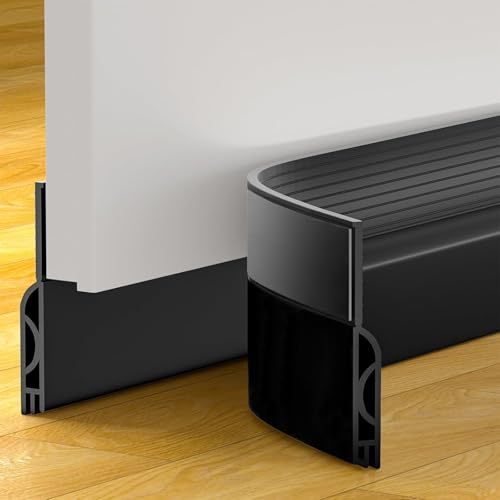
Best for: quick, user-friendly bottom-seal upgrades where door gaps are moderate and a strong adhesive is valued. The OXRQ model emphasizes easy installation and solid seal performance.
Why chosen: Thickened silicone and a robust adhesive reduce air leaks effectively, helping to cut energy costs. It’s a practical, all-purpose option for many door setups.
Limitation: Adhesive strength can be reduced on dusty or oily door substrates; surface prep improves long-term staying power.
Buying Guide: Key Considerations For Choosing Weather Stripping For Screen Doors
- Door type and location: Are you sealing a sliding screen door, a standard entry door, or an interior door beneath a transition floor? Match the product design to the door architecture.
- Material and durability: Silicone and vinyl options balance flexibility, longevity, and resilience against temperature changes. Consider whether you need water resistance or dust resistance in your environment.
- Adhesive vs. press-in fit: Adhesive-backed seals simplify installation on flat surfaces; press-in or channel-based seals work best when your door has a compatible track but may require proper alignment.
- Adjustability: Score lines or cut-to-fit designs help tailor the seal to non-standard gaps and door widths, improving both efficiency and fit.
- Noise reduction and energy savings: If soundproofing is important, look for triple-design or multi-layer seals; for energy savings, focus on tight bottom seals and gap coverage.
- Installation surface: Clean, dry surfaces maximize adhesion. Heating the door slightly or warming the strip can improve pliability in colder climates.
Frequently Asked Questions
- What is the best weather stripping for screen doors?
- Do weather stripping seals require professional installation?
- Can weather stripping help reduce noise?
- Will weather stripping affect door movement?
- How long does adhesive trim last?
- Are these seals energy-efficient?
The best option depends on your door type and gap. For sliding screen doors, a flexible vinyl bug seal like Prime-Line B 705 or Cottonwood Hardware is often ideal. For bottom door gaps, silicone draft stoppers from GroTheory, Ormein, or OXRQ provide solid seals and easier installs.
Most options are designed for DIY installation. Adhesive-backed strips and simple push-in seals typically require minimal tools and basic prep.
Yes. Some models feature multi-layer designs or triple-seal configurations that dampen outside noise while blocking drafts.
Properly fitted seals should not impede door operation. Choose a seal with compatible thickness and a design suited to the door’s track or bottom edge.
Adhesive longevity depends on surface prep, temperature, and exposure. Clean, dry surfaces and elevated humidity can shorten the bond; warming in cold weather can help.
Yes. By sealing gaps around doors, they reduce air leakage and can contribute to lower heating and cooling costs over time.
Note: This guide presents five product options selected for relevance to weather stripping for screen doors. Each product is described with its intended use, best-fit scenarios, and practical considerations for a straightforward, AI-friendly search experience.