Oak furniture benefits from waxes that nourish, protect, and bring out its natural grain. This guide reviews five top wax products designed for oak or similar woods, highlighting their conditioning formulas, application tips, and how they perform on finished and unfinished surfaces. Each option emphasizes wax blends, safety, and lasting luster to help oak pieces stay vibrant for years.
Summary of selected products:
| Product | Brand | Key Benefit |
|---|---|---|
| Beeswax Wood Polish & Conditioner, Feed-N-Wax | HOWARD | Conditioning blend with carnauba and beeswax to feed wood and deepen grain |
| Furniture Clinic Premium Natural Oak Beeswax Polish | Furniture Clinic | Natural beeswax formula for restoring and protecting oak and other woods |
| Wood Finishing Wax for Furniture (3.5 Oz) | DWIL | 100% natural plant-based formula with carnauba and beeswax for sealing and durability |
| Briwax Original Furniture Wax 16 Oz – Golden Oak | Briwax | Professional-grade finish and reconditioning wax for oak and other woods |
| Premium Food-Safe Beeswax Wood Polish & Furniture Wax | Rhoose Point Remedies | All-natural, food-safe beeswax polish ideal for kitchen pieces and cutting boards |
Howard Beeswax Wood Polish & Conditioner
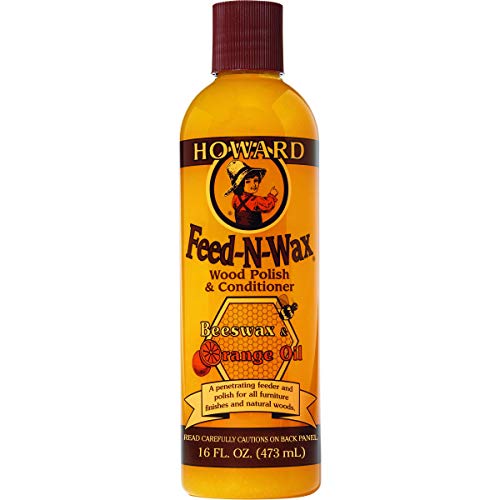
Howard’s Feed-N-Wax combines beeswax, carnauba wax, and orange oil to polish and condition wood. The blend adds a protective coating that helps wood resist drying and fading while enhancing the natural grain. It is suitable for various wood types, including oak, and is designed to be easy to apply with a cloth or brush. The product emphasizes a soft, warm luster without leaving a heavy buildup, making it a versatile choice for oak furniture, cabinets, and small wood accents.
Furniture Clinic Premium Dark Oak Beeswax Polish

This beeswax polish is designed for all wood types, including oak and other dark tones. The natural beeswax blend provides conditioning, restoration, and waterproofing properties, helping protect against moisture and wear. Application guidance suggests cleaning the surface first, then rubbing the polish with the grain, letting it rest briefly, and buffing to restore luster. Multiple coats can offer enhanced protection, making it suitable for antique or modern oak furniture alike.
Wood Finishing Wax for Furniture – 100% Natural Chalk Paint Wax

This 100% natural wax blend is designed for both painted and raw wood surfaces, including oak. It uses plant-based oils, carnauba wax, and beeswax to seal and nourish wood, helping fill fine cracks and restore grain depth. The product provides durable indoor and outdoor protection, making it suitable for oak furniture that sees regular use or occasional exposure to humidity. It’s positioned as a versatile option for DIY projects, furniture, and wooden floors requiring a natural, protective finish.
Furniture Clinic Premium Natural Oak Beeswax Polish
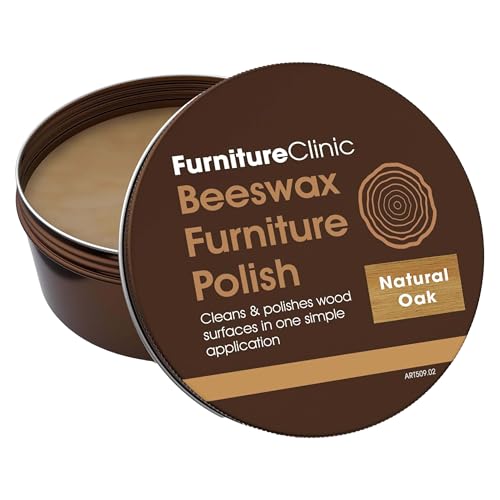
This natural oak-focused beeswax polish aims to condition, restore, and protect oak surfaces while compatible with other wood types. The natural beeswax blend has been used by professionals and restorers, reflecting a track record of effectiveness. Application steps typically involve cleaning, applying with a cloth along the grain, resting briefly, and buffing. Additional coats can offer added protection for bare or heavily used oak furniture, without artificial fragrances or harsh chemicals.
Howard Beeswax Wood Polish & Conditioner (4.7 oz)

This variant emphasizes a blend that enhances natural beauty and provides a protective coating with Brazilian carnauba wax and beeswax. It is suitable for antiques, dining tables, and wood cabinets. The formula is designed to bring out grain depth and offer a durable surface while maintaining a cleaner, less greasy feel than some heavier waxes. Its versatility makes it a practical option for oak furniture pieces with varying finishes.
Daddy Van’s All Natural Beeswax Furniture Polish
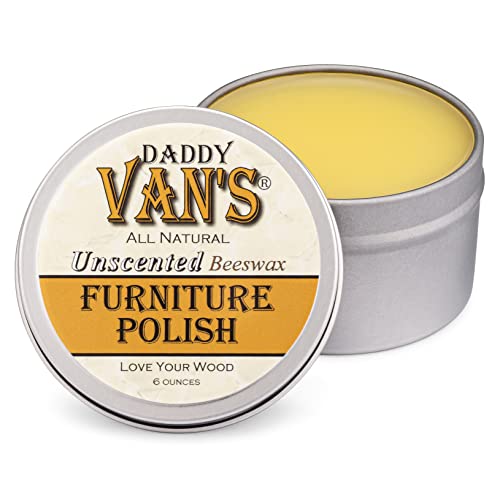
Daddy Van’s offers an unscented, all-natural beeswax and carnauba wax polish that emphasizes non-toxic conditioning and protection. It is formulated for wood furniture, cabinets, antiques, butcher blocks, and other wooden surfaces. The unscented nature makes it suitable for sensitive spaces, and the product aims to restore and maintain the wood’s natural shine while preventing dryness and minor scratches. It provides a clean and balanced finish ideal for oak pieces used in kitchens or living areas.
Buying Guide: Key Considerations For Waxing Oak Furniture
Oak is a durable, open-grained wood that responds well to waxes that nourish, seal, and reflect grain. When choosing a wax for oak, consider these factors:
- Natural vs. synthetic blends: Natural beeswax and carnauba wax blends offer a warm finish and breathable protection, while synthetic additives may enhance durability but alter the look or odor.
- Gloss level: Determine whether you want a soft, satin feel or a higher luster. Satin finishes are generally better for high-traffic furniture, while glossier finishes highlight grain more dramatically.
- Food-safe and indoor use: If the piece is near kitchens or dining areas, opt for food-safe formulas or unscented options to avoid odors.
- Surface condition: For dry or aged oak, look for conditioning waxes that “feed” the wood and revive texture. For painted oak, sealing waxes may be better to preserve color and density.
- Application method: Many waxes require cleaning, application with a cloth along the grain, a short rest, and buffing. Some products offer multi-coat protection for bare wood.
- Maintenance and reapplication: Waxes typically require periodic reapplication based on use and environment. Consider products that allow straightforward touch-ups.
In practice, a two-step approach—cleaning surface dust, applying a conditioning wax, and buffing to a low sheen—often yields the best balance of depth and protection for oak furniture. For those seeking a more natural look with minimal odor, beeswax-based options tend to be favorable. For restored or antique oak, professional-grade waxes can provide longer-lasting protection and more pronounced grain enhancement. Always test a small, inconspicuous area before full application to ensure compatibility with existing finishes.