Choosing a value-focused composting toilet can simplify off-grid living or camping trips without sacrificing hygiene or odor control. This guide highlights five budget-friendly options that balance ease of use, compact design, and reliable performance. Each product includes core features and practical considerations to help you compare quickly and make an informed choice for normal, everyday use.
| Product | Brand | Key Feature |
|---|---|---|
| OGO Coco Coir Compost Medium | OGO | Pre-hydrated coconut fiber for moisture control |
| OGO Origin Composting Toilet | OGO | 12V electric agitator, urine diverts for odor control |
| LEIFIDE 5.5 lb Composting Toilet Mix | LEIFIDE | All-natural sawdust blend, no chemicals |
| TROBOLO WandaGO Composting Toilet | TROBOLO | Compact, adjustable seat, odor control system |
| YITAHOME Portable Camping Toilet | YITAHOME | Double-flush portable option for remote use |
OGO Coco Coir Compost Medium For Composting Toilets

OGO’s Coco Coir compost medium presents a value-focused option made from 100% natural coconut fiber. It is designed to help control moisture and odors while supporting efficient composting. Each bag is pre-hydrated for quick setup, contributing to a straightforward, low-maintenance experience. The product emphasizes sustainability, using renewable materials to reduce waste in off-grid settings.
Key considerations: The coco coir medium can be ideal for users who want a natural, chemical-free base that moderates humidity. It is suitable for use with many self-contained systems and can support moderate waste loads. For best results, monitor moisture levels and adjust with additional dry matter to maintain a balanced composting environment.
OGO Origin Composting Toilet With 12V Agitator
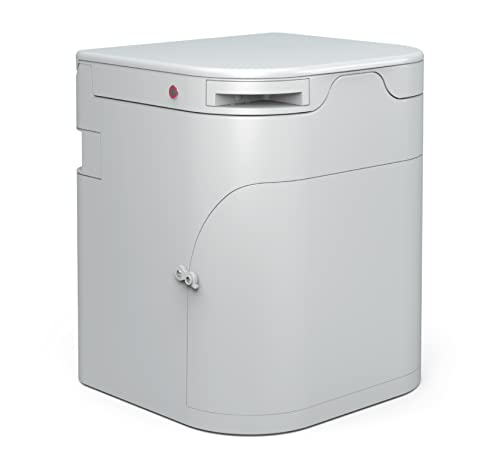
The OGO Origin combines a compact footprint with a modern design and a 12V electric agitator. Its urine-diverting feature helps reduce odors and simplifies waste management, making it a strong value choice for van life, tiny homes, or boats where space is at a premium. The system is designed to feel like a conventional toilet while delivering dry waste storage that minimizes black-tank concerns.
Key considerations: This model excels in tight builds and off-grid setups thanks to its small footprint and electric mixing. Pros include easier daily maintenance and improved waste breakdown. Potential drawbacks are the need for a power source and the initial investment in an integrated system.
LEIFIDE 5.5 Pounds Composting Toilet Mix

LEIFIDE offers a pure, natural composting mix formulated from 100% organic sawdust and shavings. The blend is designed to be odor-neutral and easy to handle, supporting safe and hygienic composting without chemical additives. Each 5.5-pound bag is sized for easy storage and is suitable for multiple uses in smaller or outdoor toilets, camping setups, or home systems that favor natural inputs.
Key considerations: Benefits include chemical-free materials and straightforward usage. The mix relies on proper humidity and aeration to optimize decomposition, so users should pair it with an appropriate bin and regular agitation. For larger households or higher usage, stocking additional bags may be necessary to sustain ongoing operations.
TROBOLO WandaGO Compact Composting Toilet

The TROBOLO WandaGO is a compact, lightweight composting toilet designed for mobile use. Its adjustable seat accommodates different users, and its SafeShell System helps prevent odors and spills. This model emphasizes ease of transport and setup, making it a practical option for campers, tiny homes, and off-grid cabins that require a reliable, odor-conscious system without added complexity.
Key considerations: The WandaGO stands out for flexibility and portability. Its smaller dimensions fit tight spaces, but users should verify capacity and waste handling in their specific application. The absence of external plumbing can be attractive for nomadic lifestyles, though routine emptying and cleaning remain necessary for odor control.
YITAHOME Portable Camping Toilet With 20L Waste Tank

The YITAHOME portable camping toilet offers a double-flush system and a generous 5.28-gallon waste tank, focused on off-grid convenience. It provides a practical blend of portability and capacity for longer trips or remote locations. The design aims to balance ease of use with reliable cleaning performance, suitable for RVs, camping, and temporary off-grid setups.
Key considerations: Advantages include a robust water-flush option in a portable unit, which can improve cleanliness compared to basic dry systems. It may require a regular supply of water and careful tear-down for storage, so plan for cleanup time and space when packing for trips.
Buying Guide: Key Purchase Considerations And Comparisons
When evaluating value-oriented composting toilets, consider these dimensions to align with your space, usage, and maintenance preferences.
- Footprint and fit: Measure the available space in your caravan, tiny home, or shed bathroom. Compact models like the OGO Origin or TROBOLO WandaGO suit tight corners, while larger but still affordable options may fit broader setups.
- Waste management method: Urine diversion reduces odor and helps maintain drier waste, which is often preferable for long-term storage. If you’re off-grid or RV-based, a design with a dedicated urine bottle or bin can simplify maintenance.
- Power and plumbing needs: Electric agitators add convenience but require a power source. Non-electric models rely on manual agitation and ventilation, which may suit primitive campsites or remote locations without electrical access.
- Odor control: Look for features like sealed shells, odor-controlling membranes, and separate urine waste. Odor control is a primary factor in comfort and guest acceptance for shared spaces.
- Maintenance and disposal: Consider how easy it is to clean, empty, and disinfect. Some models offer integrated waste containment that reduces handling, while others require more frequent emptying depending on usage.
- Materials and sustainability: Natural inputs (like coconut coir or sawdust blends) align with eco-friendly goals. Chemical-free options may appeal to sensitive users and households prioritizing green living.
- Weight and portability: For camping or mobile living, weight matters. Lightweight units with folding designs or small footprints are easier to transport and store.
- Cost vs. value: Compare the initial cost against ongoing consumables, maintenance, and replacement parts. A slightly higher upfront price may yield lower long-term costs if it reduces maintenance needs.
Across the featured products, the balance between space efficiency, odor management, and ease of maintenance helps determine the best value. For off-grid or mobile setups, models with urine diversion, compact footprints, and simple maintenance routines typically offer the strongest value proposition. For stationary use, a larger waste capacity and reliable odor control may justify a modestly higher upfront investment.