Ceiling texture can dramatically change a room’s character, improving acoustics, hiding minor imperfections, and adding a touch of style. Whether you’re installing a drop ceiling, patching a damaged area, or aiming for a diffuse, uniform finish, the right texture depends on space, ceiling height, and maintenance needs. This guide reviews five highly relevant ceiling texture products and tools, ranging from durable textured ceiling tiles to hand tools for patterns and knockdown effects. Use these options to choose textures that balance aesthetics, practicality, and DIY feasibility.
| Product | Brand | Texture / Use |
|---|---|---|
| ToolPro 8-Inch Horse Hair Stipple Brush | TOOLPRO | Ceiling texture brush for drywall finishing |
| Armstrong 2×4 Ceiling Tiles | Armstrong | Random textured ceiling tiles for grid systems |
| Patelai Knockdown Texture Sponge | Patelai | Texture sponge for repair and knockdown finish |
| USG Tivoli Textured Ceiling Tiles | USG Interiors | 12×12 textured ceiling tiles |
| 9-Inch Crow’s Foot Texture Roller | Stitokg | Crow’s foot texture for walls and ceilings |
ToolPro 8-Inch Horse Hair Stipple Brush

The ToolPro 8-Inch Horse Hair Stipple Brush is designed to create traditional ceiling textures with consistent stomp and stipple patterns. The bristles are horsehair for a balanced texture, combining flexibility with firmness to leave even impressions on the surface. This brush is intended specifically for texturing, not for applying joint compound to walls or ceilings. Its design is pre-cut and pre-formed, with a geometrically shaped head that helps produce uniform patterns across larger ceiling areas, reducing repeated strokes and labor.
- Intended for texturing, not for applying compound
- Pre Cut and Pre-Formed
- Geometrically Designed
To maximize results, prepare the ceiling surface, work in sections, and maintain a consistent angle and pressure. Clean the brush after use to extend its life, and store with bristles aligned to preserve texture fidelity. This tool pairs well with joint compound that has set to a firm but workable stiffness, helping to achieve a classic stomp finish.
Armstrong 2×4 Ceiling Tiles With Texture

Armstrong’s random-textured 2×4 ceiling tiles are designed for suspended grid installations and feature a non-directional texture. The square lay-in tiles minimize waste and simplify installation, making them a practical choice for existing ceilings. They also help with acoustic performance by reducing noise transfer between spaces. The tiles are ASTM E84 Class A fire-resistive and offer durability with easy replacement in an established ceiling grid. Their drop-in design eliminates the need for glue, nails, or staples during installation.
- EASY INSTALLATION
- RANDOM TEXTURED texture; 2×4 tiles
- MINIMIZE NOISE AND BLOCK SOUND BETWEEN ROOMS
- ASTM E84 Class A, DURABLE
- DROP CEILING PANELS FOR GRID INSTALLATION
For best results, ensure the existing grid is clean and square. Measure accurately to avoid gaps, and plan tile layout to reduce visible seams. If you’re updating a space, match the tile texture to the room’s lighting and décor to maintain a cohesive look with your other finishes.
Patelai Knockdown Texture Sponge (2 Pieces)

The Patelai knockdown texture sponge is a practical tool for small repairs and areas that require texture to blend with the surrounding finish. It helps achieve a knockdown effect that matches existing textures and saves time on professional help. The sponges are designed for drywall repair and decorative texturing, enabling beginners to craft subtle texture patches with minimal mess. Quick setup and straightforward instructions make them a convenient option for DIY projects around ceilings and walls.
- Function: blends with existing texture for repairs
- Drywall repair helper with knockdown capability
- Convenient to use; beginners can follow quick instructions
When using, dampen the sponge lightly, apply even pressure, and work in small patches to avoid oversaturation. Clean the surface with a damp cloth after shaping texture to prevent excess residue. This tool is well-suited for patching spots on ceilings where texture consistency matters for visual cohesion.
USG Tivoli 12×12 Textured Ceiling Tiles

The USG Tivoli line includes 12×12 textured ceiling tiles designed for staple-up installation in a standard grid system. The 30-count pack provides ample coverage for larger rooms, and the tiles come in a white finish with a textured surface to create a subtle, decorative look. They are lightweight and designed for easy handling during installation. The textured surface helps hide minor imperfections while contributing to the overall acoustics of the room.
- Pack Of 30; 12″ x 12″ textured tiles
- Tongue in Groove; Staple Up Tiles
- Textured White Finish; Lightweight Fiber Construction
Consider grid spacing and support before purchasing. For rooms with variable moisture or humidity, verify tile suitability and maintenance requirements. These tiles offer a balance of ease-of-installation and aesthetic texture, making them a versatile option for updated ceilings.
9-Inch Crow’s Foot Texture Roller
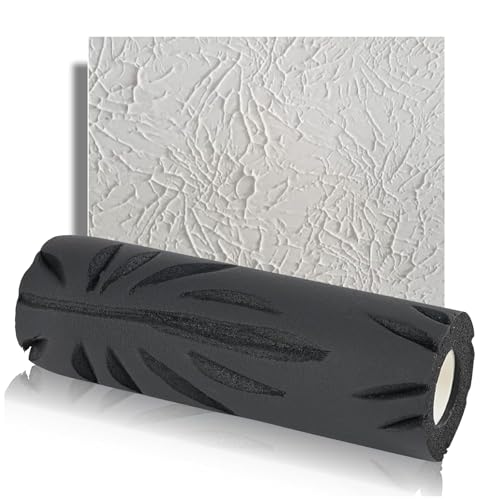
The 9-inch crow’s foot texture roller by Stitokg is designed to produce deep, consistent crow’s foot patterns on walls and ceilings. Its high-adhesion roller ensures even transfer of texture medium, delivering professional-looking results with less effort. The ergonomic handle and wide width speed up larger areas, making it an efficient choice for DIYers and contractors alike. The pattern is durable and repeatable, helping create uniform drips, ridges, or starburst textures depending on application technique.
- Crow’s Foot Texture: 9-inch width for efficiency
- No-Skill Needed Application; ergonomic design
- Time-Saving with wide coverage; consistent patterns
For best results, use with a compatible texture compound or joint compound that dries to a workable consistency. Practice on a scrap board or test panel before applying to ceilings to ensure you achieve the desired density and pattern. Store with the pattern side up to prevent distortion of the texture on reuse.
Buying Guide
Texture Type And Room Style
Ceiling textures come in a range of appearances, from smooth and clean to highly textured. Tile-based textures provide a modular look and can mask uneven surfaces quickly, while knockdown textures create a diffuse, irregular finish that reduces glare. Stipple and crow’s foot patterns offer more obvious, decorative effects that pair well with traditional or rustic interiors. Consider the room’s usage, lighting, and overall design when selecting a texture to balance aesthetics with practicality.
Installation And Maintenance
Installation difficulty varies by product. Ceiling tiles in grid systems are quick to install and replace, ideal for frequent updates but may require compatible grid hardware. Texturing by hand using brushes or rollers demands more time and a steadier technique but offers greater control over the final look. Maintenance matters too: textured surfaces can collect dust; tiles may require periodic cleaning or replacement, and certain finishes may be more forgiving for paint or repairs than others.
Acoustics And Fire Safety
Texture and material choices influence acoustics. Acoustic ceiling tiles can reduce noise transfer between rooms, which is beneficial in homes with open plans or high-activity spaces. Fire performance matters as well; many tiles and textures carry ASTM E84 Class A ratings, indicating improved fire resistance. When selecting ceiling textures, prioritize products that align with your room’s safety standards and desired sound environment.
DIY Skill Level And Tooling
For DIY enthusiasts, tools like knockdown sponges and texture rollers offer approachable paths to professional-looking results. Hand brushes and sponges require practice to achieve even patterns, but they provide a high degree of control for customized textures. For large installations, tile systems can reduce labor time, especially when a pre-assembled grid is already in place. Assess comfort with cutting, mounting, and finishing when choosing a method.
Cost And Availability
Costs vary by material, size, and installation method. Ceiling tiles tend to be cost-effective for large areas and updates, while texture tools and sponges are budget-friendly for patchwork or single-room jobs. Availability can depend on the project scope and regional stock. When planning, balance upfront material costs with long-term maintenance and replacement needs to determine the most economical choice for your space.