Pizza stones transform home ovens and grills into capable pizza kitchens, delivering crisp crusts and evenly cooked toppings. The right stone absorbs moisture, distributes heat, and withstands high temperatures without cracking. This guide highlights five top stones designed for pizza ovens, focusing on Cordierite-based options that resist thermal shock and perform across oven and grill environments. We explore rectangular and round shapes, single stones, and complete sets so you can choose the best fit for your kitchen. Use the quick summary table below to compare size, material, and standout benefits at a glance.
| Product | Brand | Size | Material | Key Benefit | Image |
|---|---|---|---|---|---|
| Unicook 15×12 Rectangular Pizza Stone | Unicook | 15″ x 12″ | Cordierite | Even heat distribution; moisture absorption; reversible | 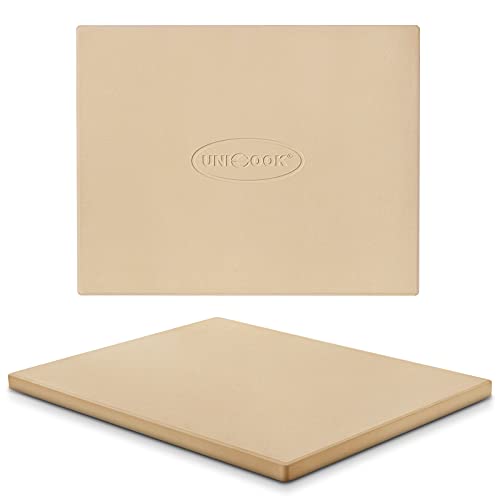 |
| Old Stone 16-Inch Round Pizza Stone | Old Stone | 16″ diameter | Lead-free clays | Durable; absorbs heat; even transfer |  |
| Hans Grill 15×12 Pizza Stone | Hans Grill | 15″ x 12″ | Cordierite | Indoor/Outdoor use; high heat tolerance; versatile for oven and grill |  |
| Gyreuni Rectangle Pizza Stone Set | Gyreuni | 15″ x 12″ | Cordierite | Four-piece set; includes paddle and accessories; high heat resistance |  |
| Ritual Life 16-Inch Round Pizza Stone | Ritual Life | 16″ round | Cordierite | Large cooking surface; handles for safer handling |  |
Unicook 15×12 Rectangular Pizza Stone
The Unicook stone measures 15 inches long by 12 inches wide, with a 0.6-inch thickness and a weight around 6.8 pounds. It is crafted from Cordierite, offering heat resistance up to 1,450°F (787°C) and promoting even heat distribution to prevent hot spots, soggy centers, or burnt edges. Its porous surface helps absorb excess moisture from dough, enabling a crisp, golden crust for both fresh and frozen pizzas, as well as breads, rolls, and cookies. The reversible design provides two smooth surfaces for extended use and versatile baking applications.
Designed for small to medium pizzas (up to about 12 inches), this stone fits many standard ovens and grills with adequate clearance around the stone. Proper airflow improves performance, so allow at least 1–2 inches of space on all sides for best results. The stone’s durability makes it suitable for frequent use in home kitchens, and its heat retention helps maintain consistent baking temperatures across the crust.
Old Stone 16-Inch Round Pizza Stone
This round stone is 16 inches in diameter, crafted from a durable blend of lead-free clays, and designed to absorb oven heat and transfer it evenly for superior baking results. The stone’s construction supports restaurant-quality pizzas, breads, pastries, and vegetables, with a focus on consistent heat distribution. A caution noted in its use: Do not clean the stone with soap, as cleaning agents can affect performance and flavor. The round shape fits standard ovens and grills, providing ample space for generous toppings and thick crusts.
Durability and heat management are central to its design. The stone’s porous surface aids moisture removal, helping to achieve a crisp crust while avoiding soggy centers. For best results, preheat with the oven or grill, then slide your dough onto the stone for even baking across the entire surface.
Hans Grill 15×12 Pizza Stone
Hans Grill offers a rectangular stone built from cordierite, with heat resistance up to 1112°F (600°C). This make it suitable for both oven baking and barbecue grilling, enabling a versatile approach to making Italian-style pizzas, pies, pastries, frozen pizzas, calzones, and artisan breads. Its rectangular footprint aligns well with many standard ovens and grill configurations, delivering reliable performance in diverse cooking environments. The stone’s design emphasizes even heat transfer and durable construction for long-term use in home kitchens and outdoor cook spaces.
Gyreuni Rectangle Pizza Stone Set
The Gyreuni set includes a 15″ x 12″ rectangle pizza stone, an oak pizza paddle (12″ x 17″), a steel pizza cutter, and 10 parchment papers. The stone is made from all-natural, FDA-safe Cordierite, which is odor-free and demonstrates strong thermal shock resistance with a heat tolerance up to 1,472°F (800°C). It distributes heat evenly and features invisible micro-pores that absorb moisture for a crisp crust. The oak paddle provides a sturdy, aesthetically pleasing tool for sliding pizzas in and out of the oven, while parchment papers simplify cleanup and prevent sticking.
The rectangle stone is designed for oven and grill use, making it a versatile centerpiece for home pizza nights. For best results, preheat the stone and ensure proper airflow around it, especially when used on grills. This set offers a comprehensive, beginner-friendly entry into stone-backed pizza baking with useful accessories to enhance the experience.
Ritual Life 16-Inch Round Pizza Stone
The Ritual Life 16-inch round stone delivers a broad cooking surface ideal for large pizzas, breads, and other baked goods. Built from cordierite, it withstands high temperatures up to about 1,500°F (815°C), suitable for ovens, grills, and smokers. The stone emphasizes durability and longevity, and its design with handles facilitates safe handling when hot. This option is well-suited for home pizzaiolos seeking a reliable, long-lasting surface for authentic crusts and consistent results across multiple dishes in one baking session.
Buying Guide
Key purchase considerations
- Material and thermal performance: Cordierite stones are the most common choice for high-heat stability and good thermal shock resistance, typically with heat tolerances in the 1,400–1,500°F range. Compare this with other clays or ceramic composites to understand potential differences in durability and heat handling.
- Size and fit: Measure your oven’s interior and account for clearance around the stone. A 1-inch gap on all sides helps air circulate and prevents scorching. Rectangular stones often fit wider ovens, while round stones maximize surface area in a circular chamber.
- Thickness and weight: Thickness around 0.6 inches is common and balances heat retention with manageable weight. Heavier stones can retain heat longer but may require more effort to move safely when hot.
- Two-sided or reversible surfaces: Some stones offer reversible use, effectively doubling the life and value by providing two cooking surfaces with different textures or thicknesses.
- Grill and oven compatibility: If you plan to use the stone on a grill, ensure it is rated for outdoor use and can handle direct flame or high grill temperatures without cracking.
- Maintenance and cleaning: Most stone surfaces should not be washed with soap; simply wipe, brush, or rinse with water after cooling. Allow the stone to dry completely before reusing. Soap can affect flavor and the stone’s porosity.
- Included accessories: Some sets come with paddles, cutters, parchment, or peels. Consider whether these add-ons fit your cooking style and storage space.
- Durability and warranty: Heavier, high-quality cordierite stones are built to last, but accidents can happen. Look for stones with durable edges and robust construction, and review any warranty terms if available.
Shape, size, and use-case comparisons
- Rectangular stones (like 15×12 inches) maximize oven surface area and pair well with standard ovens and many grill configurations, offering stable placement for longer pizzas or multiple items.
- Round stones (such as 16 inches) provide ample circular surface, ideal for large, classic pizzas and evenly distributed heat across the crust.
- Set options (as with Gyreuni) add value through a paddle, cutter, and parchment—helpful for beginners and busy kitchens, though they add bulk to storage.
- Venturing into higher heat tolerance (up to 1,472°F or 1,500°F) generally yields crisper crusts and faster bake times but requires careful handling due to heat retention.
Usage scenarios and practical tips
- Preheat the stone in the oven or on the grill to ensure a stable baking surface as dough is applied. Avoid placing cold dough on a cold stone to prevent thermal shock.
- Allow for airflow around the stone and avoid overcrowding the oven with multiple stones, which can restrict heat circulation.
- For best results, use dough with a bit of moisture removal; the stone’s porous surface helps wick away surface moisture, yielding an crisp crust.
- When finished, use the included paddle or a long-handled tool to slide the pizza off the stone to prevent burns and maintain the stone’s integrity over time.
Across shapes, sizes, and accessory combinations, the stones reviewed here offer reliable paths to bakery-quality home baking. Cordierite-based options provide robust thermal performance essential for hot oven or grill pizzas. Consider your oven’s interior size, desired crust texture, and whether you prefer a single stone or a multi-piece set. The right choice will deliver consistent results and help you recreate pizzeria-style crusts with confidence.