Choosing a stain for mahogany requires balancing color depth, transparency, and durability. The five selections below cover water-based, gel, oil-based, and exterior formulas to suit indoor furniture, trim, and outdoor decks alike. The summary table provides quick specs, then each product section details performance and usage. The goal is to enhance mahogany’s natural grain while delivering consistent color and lasting protection against wear and UV exposure.
| Product | Brand | Finish / Color | Best For |
|---|---|---|---|
| Furniture Clinic Mahogany Wood Stain | Furniture Clinic | Water-based Mahogany | Indoor & Outdoor, quick-dry, low odor |
| Minwax Gel Stain for Interior Wood Surfaces, Mahogany | Minwax | Gel, Mahogany | Touch-ups and full furniture projects |
| Varathane Red Mahogany Gel Stain | Varathane | Gel, Red Mahogany | Drip-free color and thorough coverage |
| Minwax Wood Finish Red Mahogany | Minwax | Oil-based, Red Mahogany | Deep, enduring color and grain richness |
| Ready Seal Mahogany Exterior Stain | Ready Seal | Exterior Mahogany | Outdoor projects, no primer needed |
Furniture Clinic Mahogany Wood Stain

Furniture Clinic Mahogany Wood Stain is a water-based, fast-drying formula designed for all wood surfaces, indoors and outdoors. It provides excellent coverage with even color penetration and dries to a natural matte finish in about 10 minutes. As a water-based product, it offers low odor and easier cleanup, making it suitable for living spaces and rooms with limited ventilation. The line includes 12 colors, including mahogany, so you can push color depth from subtle to bold with a single coat. Availability in multiple bottle sizes helps reduce waste and fit project scale.
For mahogany projects, the stain’s quick-dry profile minimizes dust settling between coats, while water-based chemistry keeps application simple. After cleaning and preparing the surface, apply with a brush or cloth and work along the grain. Wipe off any excess while damp to control color intensity, then allow to dry before applying a topcoat if you want added protection. Test on a scrap piece or an inconspicuous area to gauge color depth before full application.
Minwax Gel Stain for Interior Wood Surfaces

Minwax Gel Stain for Interior Wood Surfaces in Mahogany uses a gel-based, non-drip formula that provides strong color control, especially useful on vertical surfaces like doors and trim. The thick finish helps reduce blotching and is well-suited for furniture, molding, cabinets, and other interior woodwork. The mahogany color yields a warm, deep tone that highlights grain while maintaining a more even appearance than some traditional stains. It’s designed for quick touch-ups and decorative work, offering the convenience of a stain pen feel with broader coverage for larger areas.
Application is straightforward: brush or wipe on the gel, then wipe away the excess after a short dwell time. The gel dries relatively quickly, enabling faster completion of small projects and touch-ups. Because it remains near the surface, it’s especially handy for preserving or reviving bare wood with minimal blotching. For best results on bare wood, a light conditioning step can help promote even absorption, though the product’s thick gel already aids color control in most interior scenarios.
Varathane Red Mahogany Gel Stain

Varathane 358319 Premium Gel Stain in Red Mahogany is designed with a thicker consistency to prevent drips and runs, making it especially suitable for furniture, doors, and vertical surfaces. The gel provides twice the coverage of traditional oil-based stains, helping you color larger areas efficiently. It dries to the touch in about 1 hour and covers up to 60 square feet per half pint, with a suggested 2-hour interval between coats for optimal color depth. This product is ideal for achieving a rich mahogany look with controlled application on challenging contours.
To apply, use a brush or cloth and work with the grain. Allow the stain to dwell briefly to achieve deeper color, then wipe away any excess. The gel format minimizes blotching and makes reworking easier if you’re aiming for a consistent finish on doors, paneling, or furniture. For best results, plan for a second coat after the recommended dry time to deepen color without oversaturation.
Minwax Red Mahogany Wood Finish

Minwax Wood Finish 71007000 in Red Mahogany is an oil-based stain that deeply penetrates the wood to deliver rich color and enhanced grain in a single coat. This traditional formula creates a classic, deep mahogany tone and is well-regarded for interior staining projects like furniture, cabinets, doors, and trim. It dries to the touch in about two hours and resists laps, which helps maintain a uniform appearance even when applying multiple coats. The stain is designed for straightforward application with a cloth or brush, following the grain, and can yield deeper color with longer dwell time.
Best results come from a clean, prepared surface and a measured approach. If blotching is a concern on bare wood, Minwax Pre-Stain Wood Conditioner is commonly used to promote even color absorption. After applying the stain, wipe away excess and allow the piece to dry before handling or applying a clear protective finish. Additional coats can intensify color, but always test on a small area first to avoid over-darkening the mahogany.
Varathane Premium Fast Dry Wood Stain, Golden Mahogany

Varathane Premium Fast Dry Wood Stain in Golden Mahogany is designed for interior projects such as furniture, cabinets, doors, trim, and paneling. The oil-based formula provides one-coat coverage and a fast-drying profile, with a touch-dry time of about 1 hour and a coverage rate of up to 70 square feet. The combination of quick drying and robust color depth makes it a practical choice for projects aiming at a warm mahogany glow with efficient turnaround. The stain’s performance is particularly strong on smooth, well-prepared surfaces where grain detail remains prominent.
Application involves brushing along the grain and wiping away any excess after a brief dwell period. For deeper color, additional coats can be applied after the first layer dries. Between coats, light sanding of the surface helps promote even color build and adhesion. As with any oil-based stain, ensure adequate ventilation and proper cleanup with mineral spirits or the manufacturer’s recommended solvent.
Ready Seal Mahogany Exterior Stain
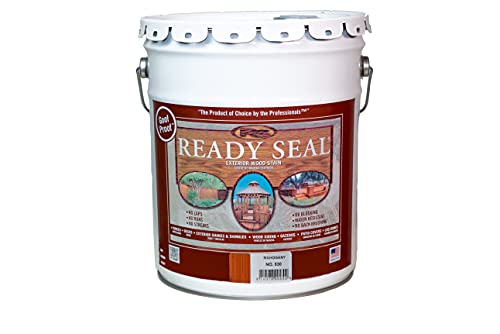
Ready Seal 530 Exterior Stain and Sealer for Wood in Mahogany is designed for exterior use with no primer required. The product is darkest when first applied and gradually reaches its true color over about two weeks, with full color development around 14 days. It can be applied by sprayer, roller, or brush, and is formulated to minimize runs, laps, or streaks without back brushing. This exterior stain is ideal for outdoor decks, furniture, and siding where a natural wood look and protection against the elements are desired.
Because Ready Seal is intended for outdoor exposure, it emphasizes UV resistance and weathering performance. The finish tends to deepen with sun exposure, so color testing in an inconspicuous area is recommended. There is no requirement to apply a separate primer or topcoat, though ongoing maintenance may involve reapplication as weathering effects demand. Always ensure the wood is clean, dry, and free of previous finishes before applying a new coat.
Buying Guide
Key considerations
Choosing the right mahogany stain depends on project type, environment, and performance goals. Water-based stains offer low odor, fast drying, easy cleanup, and lower health risk, making them suitable for indoor spaces. Gel stains emphasize color control and drips resistance, ideal for vertical surfaces or touch-ups. Oil-based stains provide deeper color and longer wear, often preferred for furniture and trim. Exterior stains must stand up to sun and moisture, with color development occurring over weeks.
- Indoor vs outdoor use: Exterior stains are designed to resist weathering; interior stains emphasize color depth and ease of use.
- Color depth and transparency: Mahogany finishes range from warm, subtle hues to rich, deep tones. Gel stains tend to be more forgiving on blotchy wood.
- Finish and protection: Some products dry to matte or satin finishes and may require a topcoat for added durability.
- Drying and recoat times: Fast-drying formulas speed up projects but may limit rework time; oil-based stains often require longer cure between coats.
- Application method: Brushes, rags, sprayers, or touch-up pens each suit different project sizes and detail work.
- Surface preparation: Sanding smooth surfaces and, when appropriate, conditioning bare wood can improve color uniformity.
Practical comparisons
For quick, low-odor projects, water-based stains like Furniture Clinic’s Mahogany are appealing and easy to clean up. Gel stains such as Minwax Gel Stain and Varathane Gel Stain provide better control and less blotching, especially on complex shapes. Oil-based stains from Minwax offer rich, penetrating color that enhances grain but require more ventilation and longer cleanup. Exterior options like Ready Seal simplify outdoor projects with no primer and color development over time, yet they demand appropriate climate considerations and curing.
Testing and planning tips
- Always test color on a scrap piece or hidden area to confirm depth and tone before committing to the entire project.
- Prep the wood surface by cleaning, sanding, and removing dust; for bare wood, consider a wood conditioner or sealer if recommended.
- Match stain type to the final finish you want; plan for any topcoat or sealant to achieve the desired level of protection.
- Follow manufacturer directions for drying times and recoat intervals; environmental factors can affect curing.