Maple cabinets are prized for their pale, clean grain. Choosing the right stain color can enhance warmth while preserving the wood’s visibility. For maple, blotch resistance and color control matter more than for many other woods. This guide reviews five maple-friendly stains with different approaches: oil-based honey tones, two-in-one poly finishes, low-odor water-based options, and gel stains that minimize blotching. Each product is judged on color range, ease of application, odor, drying time, durability, and value, so you can pick the best match for kitchens, bathrooms, or built-in cabinetry.
| Product | Brand | Maple Focus | Finish Type |
|---|---|---|---|
| Varathane Premium Fast Dry Wood Stain, Honey Maple (Half Pint) | Varathane | Honey Maple color | Oil-based, fast-drying |
| Minwax PolyShades Wood Stain + Polyurethane Finish – Olde Maple | Minwax | Olde Maple color | Oil-based, stain + polyurethane |
| SamaN Interior Water Based Wood Stain – Natural Maple TEW-210-12 | SamaN | Natural Maple tone | Water-based, low VOC |
| DecoArt Americana Gel Stains Paint, Maple | DecoArt | Maple gel stain | Gel stain, non-toxic |
| GRAS Americana Gel Stain Maple 3-Pack | GRAS Art Bundles | Maple gel stain, 3-pack | Gel stain kit, includes foam brushes |
Varathane Honey Maple Stain

Varathane Premium Fast Dry Wood Stain in Honey Maple delivers a warm, amber hue that complements maple’s pale base without obscuring grain. The oil-based formula provides depth and a smooth finish, and its fast-drying nature helps speed cabinet projects. For maple cabinetry, this shade emphasizes natural warmth while preserving wood character.
- Ideal for interior wood projects: furniture, cabinets, doors, trim and paneling
- One-coat coverage
- Fast-drying oil-based formula
- Dries to the touch in just 1 hour and covers up to 70 square feet
When applying, work in small sections with even strokes and wipe excess uniformly. The oil-based system yields rich color, but ventilation and proper cleanup with mineral spirits are important due to solvent content. This option is well-suited for maple cabinets that need quick color development without multiple coats.
Minwax Olde Maple PolyShades

Minwax PolyShades combines stain and polyurethane in one step, delivering a rich maple tone with durable protection. The oil-based formula can be used over existing finishes, reducing prep time on cabinets and furniture. The glossy finish and classic medium brown color make it a staple for maple cabinetry that calls for depth without sacrificing grain visibility.
- POLYSHADES WOOD STAIN – oil-based stain and poly in one
- REDUCE FINISHING TIME – can be used over polyurethane finishes
- BEAUTIFUL RESULTS – rich finish with a glossy sheen
- Recommended uses: furniture, woodwork, doors, cabinets & accessories
For cabinets already sealed with polyurethane, PolyShades can refresh color without removing the existing finish. Sandlightly, apply evenly, and wipe away excess to avoid lap marks. This option is ideal for updating the look of maple cabinetry while preserving built-in protection.
SamaN Natural Maple Water-Based Stain

SamaN Interior Water Based Wood Stain in Natural Maple TEW-210-12 offers a low-VOC option with a subtle, natural maple tone that emphasizes grain. The odor is low, and the product is marketed as a safe choice for health-conscious projects. It’s designed for interior cabinets, trim, and paneling, delivering a clean look with minimal odor during application.
- Odorless and low VOC
- Water-based, safe for health of users, pets and the environment
- High-quality product; protects and elevates wood’s beauty
- No overlapping marks; no need for a conditioner; fast easy application in just one coat
One-coat application and low odor make SamaN a practical option for kitchens and baths where ventilation may be limited. While color control can be more subtle than oil-based stains, it’s an excellent choice for projects prioritizing a natural maple appearance with easy cleanup.
DecoArt Americana Gel Stains Maple
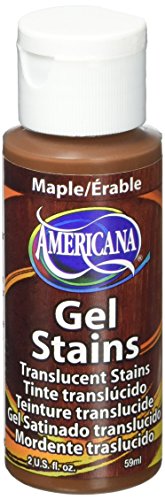
DecoArt Americana Gel Stains Maple offers a non-toxic, gel-based option that minimizes blotching on maple. The thick, creamy texture helps even color with less effort. Gel stains sit on top of the wood rather than soaking in deeply, which can be advantageous on maple’s smooth surface and helps preserve grain clarity while adding warmth.
- Non-toxic
- Thick & creamy texture
- Eliminates oil based fumes & mess
- Maple gel stain in convenient 2-ounce bottle
Gel stains like this are popular for DIY projects where blotching is a concern or where a quick color change is desired. For cabinets, apply with a brush or cloth, wipe away excess, and finish with a compatible topcoat to protect the color and grain.
GRAS Americana Gel Stain Maple 3-Pack
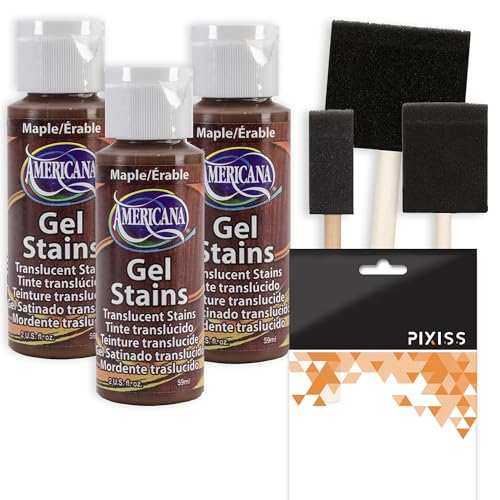
GRAS Americana Gel Stain Maple 3-Pack provides three 2-ounce bottles of maple gel stain in a single kit, designed for quick maples that benefit from evenly distributed color while preserving grain. The gel format reduces blotching, offering a controlled depth of color on maple cabinets and furniture. The package also mentions user-friendly usage with included tools to simplify application.
- 3-Pack of maple Gel Stain: three 2-ounce bottles
- Easy Application with Foam Brushes included
- Rich, Deep Color that highlights wood grain
Gel stain kits like this are especially helpful for DIY projects where uniform color is desired across flat cabinet panels. They’re forgiving for beginners and provide steady color development while maintaining maple’s inherent grain texture.
Buying Guide
Finish Type and Application
Finish type strongly influences color depth, durability, and cleanup. Oil-based stains tend to deliver deeper hues and more durable protection but require longer drying times and solvent cleanup. Water-based stains dry faster with lower odor and easier cleanup but can be less forgiving on blotchy maple without blotch-control products. Gel stains offer a middle ground: less penetrating, easier to control on maple, and often lower blotch risk. For maple cabinets, consider whether you want one-step stain-plus-poly protection, a dedicated topcoat, or a finish that minimizes blotching from the start.
Color Strategy For Maple Cabinets
Maple has a light base that can take warm or cool tones. If you aim for warmth, choose honey, amber, or maple hues that enhance natural grain without overwhelming the wood. For a more contemporary look, natural or light tan tones can preserve brightness while adding depth. Always test on a scrap piece or a hidden panel to confirm how the color shifts with the grain under your lighting conditions. Consider the undertone of the door, trim, or adjacent cabinetry to maintain a cohesive palette.
Gel vs Liquid: Blotch Control
Gel stains are popular for maple because they sit on the surface and penetrate less unevenly, reducing blotching on tight-grain woods. If you’re refinishing cabinets with a history of blotch, a gel stain option or a blotch-control approach (pre-stain conditioner, even application) can yield more uniform color. Liquid stains can yield deeper penetration and richer hues but may require more careful application and blotch-prevention steps.
Topcoat and Durability
Most maple finishes will require a topcoat to protect color and wood. Oil-based stains often pair with oil- or water-based varnishes, polyurethanes, or shellac. Water-based stains generally pair with water-based topcoats for low odor and quicker dry times. Gel stains usually take a topcoat well, but confirm compatibility with your chosen sealer. When selecting, ensure the topcoat supports the stain type to preserve color depth and grain clarity over time.
Odor, Drying Time, and Cleanup
Oil-based stains emit stronger odors and require solvents for cleanup, while water-based stains are gentler on indoor air quality and cleanup is easier with soap and water. Gel stains tend to have moderate odor and are easier to clean up than harsh solvents. If you’re refinishing in a living space, prioritize low-odor options or schedule ventilation accordingly. Drying times affect project speed; plan for additional cure time before light-use or heavy cleaning.
Coverage, Cost, and Project Scope
Coverage varies by product and wood porosity. Maple typically absorbs stain more evenly with blotch-preventive methods, but you should still test color and coverage on a scrap panel. Evaluate the total cost per square foot, especially when choosing kits or multi-pack gel stains. For large cabinet projects, a faster-drying option with good coverage can speed completion, while a deeper color may require multiple thin coats or an enhanced topcoat for durability.
In summary, the best maple cabinet stain depends on whether you prioritize the fastest project timeline, the most natural look, the lowest odor, or the easiest blotch management. The five products reviewed here cover a spectrum of approaches—from oil-based warmth to gel-based blotch control and low-odor water-based options—so you can tailor your choice to your kitchen, budget, and DIY experience. Always test before committing to a full cabinet run to ensure color, finish, and durability align with your vision.