Best Sliding Glass Door Combination Locks for Secure Patio Access
Post published:June 3, 2026
Answering the search for a reliable sliding glass door combination lock: these five picks deliver versatile entry options, sturdy construction, and features designed for patio and glass doors. Best for homeowners seeking keyless convenience and high security, with multiple unlocking methods and easy installation. The top choices cover smart mortise locks, fingerprint access, and mechanical codes to fit various door thicknesses and configurations. Below, find a quick product comparison, followed by in-depth sections and practical buying guidance.
Product
Lock Type
Best For
Key Features
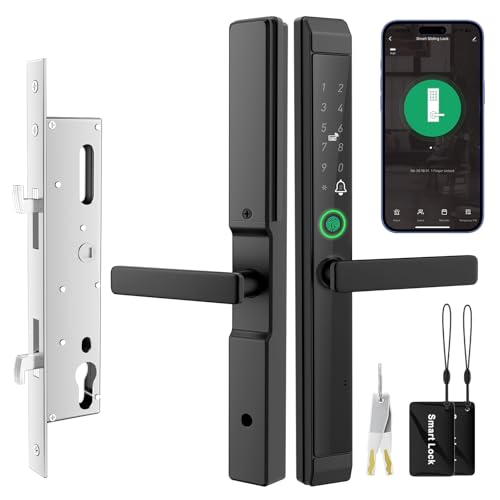
JNZCH Sliding Door Smart Lock
Smart mortise, fingerprint, app
Tech-savvy and security-focused patios
2.4 GHz Wi-Fi, fingerprint, IC card, PIN, app
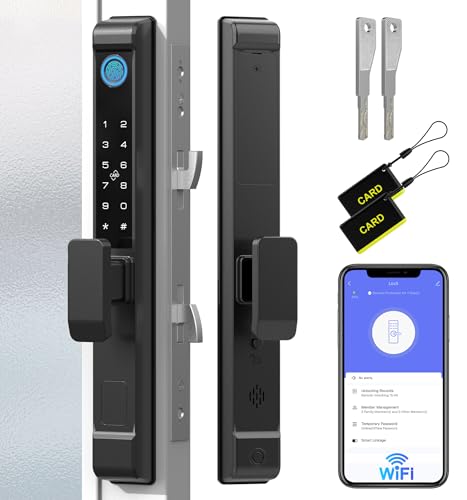
Anweller 2885 Mortise Sliding
Smart mortise, fingerprint, keypad
Homes needing flexible access
5 unlock methods, RFID, remote app
Eseesmart Sliding Glass Door Lock
Smart lock, fingerprint, keypad
Users needing multiple codes and users
5 unlock options, long battery life, reversible handle
The JNZCH smart mortise lock offers fingerprint recognition, IC card access, PIN codes, and a companion mobile app for remote control. It also supports a traditional mechanical key as a fallback. This model is built to fit doors 1-3/16″ to 2-3/16″ thick and includes a configurable square spindle that can be trimmed to set the correct fit. It is designed for sliding doors, glass doors, patio doors, and aluminum doors, making it a versatile option for modern homes. Best for households that want fast fingerprint entry and app-based control, with a strong emphasis on tamper resistance and auto-relock after use.
Best for: Tech-forward homes with 2.4 GHz Wi-Fi network needs for setup
Why selected: Combines biometric and card access with remote app control
Caution: Ensure your router operates on the 2.4 GHz band for TUYA integration
Lockey C150 C Series Keyless Entry Sliding Door Deadbolt
The Lockey C150 C Series is a mechanical, keyless push-button lock designed for light-duty sliding doors. It provides a straightforward, code-based entry method without electrical components, making it suitable for simpler installs or spaces where wiring is not practical. Best for: users who want a reliable, battery-free option and easy setup. Limitations: lacks fingerprint or remote app controls, so the access methods are purely physical codes.
The Anweller 2885 Mortise Lock is a smart, multi-access locking system featuring fingerprint, passcode, mobile app (Wi-Fi remote), RFID, and spare keys. It supports a wide range of door thicknesses and requires ensuring compatibility with your door framing before purchase. Best for: households needing flexible, multiple unlock options and remote monitoring. Caution: Verify door mortise compatibility and thickness before ordering to ensure a proper fit.
The Eseesmart lock offers fingerprint, passcode, mobile app, RFID card, and a backup key. It is designed for a variety of sliding doors and patio doors with a reversible handle for both left- and right-opening configurations. It emphasizes battery efficiency with an extended life and supports power bank backups in emergencies. Best for: families with multiple trusted users and a need for flexible access methods. Limitation: battery-powered operation requires occasional replacement or backups.
The VEVOR lock is a durable, two-sided mechanical keypad with a pull handle. It supports 4-7 digit codes and auto-locking, offering a simple, battery-free security option. It fits a range of door thicknesses and is suitable for indoor or outdoor use on garden gates and sliding doors. Best for: installation where a robust, non-electrical solution is preferred. Caution: it requires correct alignment with door dimensions and latch size for proper operation.
Buying Guide
What access methods do you need? Choose locks offering fingerprint, keypad, RFID, and app control if you value high flexibility and quick access for multiple users.
Is electricity available? Smart locks require power and sometimes a stable 2.4 GHz Wi-Fi network. Mechanical options work without batteries or network dependence.
Door compatibility matters. Check door thickness (commonly 13/16″ to 4-3/4″ or 30–120 mm) and whether the mortise or surface mount fits your frame.
Security features. Look for auto-relock, tamper alarms, wrong-entry limits, and encryption to protect against tampering and unauthorized access.
Installation considerations. Some locks require drilling or specific spindle lengths. Confirm whether the handle orientation is reversible for your door swing.
Maintenance and power. Battery-powered units need battery life planning; mechanical units should be checked for latch compatibility and wear.
Frequently Asked Questions
What is a sliding glass door combination lock? A lock that uses multiple access methods (codes, fingerprints, cards, apps) to secure sliding glass doors and patio doors.
Do smart locks work on glass doors? Yes, many are designed for sliding or glass doors with compatible mortises or surface mounts; always verify door thickness and frame compatibility.
Are mechanical locks safer than smart locks? It depends. Mechanical locks don’t rely on power or networks but offer fewer access options. Smart locks provide convenience and remote control but require power and connectivity.
Can I install these locks myself? Many locks are designed for easy installation, but some require precise alignment and drilling. Check manufacturer guidelines and ensure your door meets thickness and frame requirements.
Will these locks fit my door length or thickness? Most models specify compatible door thickness ranges and spindle or latch sizes. Measure your door before purchasing.
Do these locks support multiple users? Locks with fingerprint, keypad, and RFID options support multiple users; verify the number of allowed users in the product specs.