Painted floors require protection that doesn’t compromise color or structural integrity. The right sealer can reduce moisture penetration, resist stains, and extend the life of a paint job without creating an overly glossy or plastic surface. The following selections cover penetrating sealers, gloss topcoats, and flexible membranes that work on painted concrete, wood, tile, or stone surfaces. Each option balances ease of application with long-term durability, so you can choose based on interior conditions, surface type, and maintenance preferences.
| Brand | Product | Key Benefit |
|---|---|---|
| Miracle Sealants | 511 Impregnator | Penetrating protection; interior & exterior use |
| Miracle Sealants | High-Gloss Finish Sealer | Water-based; high-gloss finish; interior use |
| Seal-Once | Marine Wood Sealer | UV-stable; ultra-low VOC; outdoor wood protection |
| Vividye | Waterproof Sealant | Crystal-clear; indoor/outdoor; versatile on many substrates |
| Liquid Rubber | Basement Sealant | Flexible, waterproof membrane for concrete and foundations |
Miracle 511 Impregnator Sealer

The Miracle Sealants 511 Impregnator is a penetrating sealer that leaves no surface film, making it suitable for a variety of substrates. It is SCS Certified Indoor Advantage Gold and rated for both interior and exterior use, delivering weather resistance for areas with fluctuating conditions. While marketed for countertops and stone, tile, and grout, its penetrating action can also benefit painted floor surfaces by reducing water absorption and staining potential without altering the color or texture of the paint.
For painted floors, 511 Impregnator offers a low-build option that complements subsequent finishes or topcoats. Apply to clean, dry surfaces in thin coats, and observe label directions regarding curing times and recoat windows. Because it penetrates rather than forms a film, it is ideal for homeowners seeking breathability and a natural look while still improving resilience against moisture and wear.
Miracle High-Gloss Finish Sealer
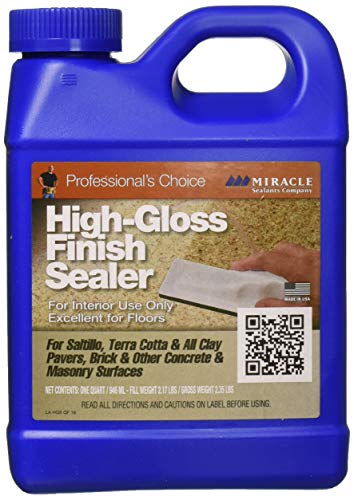
This water-based sealer provides a high-gloss finish and is designed for interior use on tile and stone surfaces. It offers superior coverage and creates a durable, washable film that enhances color depth—useful when you want to preserve or emphasize a painted floor with tile-like or stone-like aesthetics. While primarily intended for tile and stone, it can be suitable for painted floors that adopt a tile or stone finish in appearance, giving a protective layer that stands up to traffic and cleaning.
Application considerations include ensuring a clean, dry surface and applying in thin coats with a roller or brush. Cure times between coats should be respected, and the product is not intended for exterior use. It is not a concrete or wood specialist sealer, so verify substrate compatibility before use on any non-tile surfaces painted to imitate tile or stone.
Seal-Once Marine Wood Sealer

Seal-Once Marine is a penetrating sealer formulated for wood in marine or high-moisture environments. It’s UV-stable, water-based, and features ultra-low VOCs, making it well-suited for outdoor wood floors on decks, docks, or piers. For painted wood floors used outdoors or in damp indoor areas, Marine offers durable protection while preserving the wood’s natural color and grain. This product is ideal when wood is the primary substrate and water exposure is a central concern.
Note that Marine is designed for wood substrates and may not be compatible with all painted concrete or masonry surfaces. Always perform a small-area test and follow recoat intervals. When a painted wood floor is exposed to weather, Marine Sealer can extend service life without adding significant sheen or film buildup.
Vividye Waterproof Sealant

This premium transparent, water-based sealant dries to a crystal-clear coating that blocks moisture while preserving the appearance of the underlying surface. It’s suitable for indoor and outdoor projects on roofs, floors, walls, concrete, and wood. For painted floors, Vividye provides protection without altering color, maintaining the original look while adding a moisture barrier and improved resistance to discoloration from UV exposure and staining.
It offers broad substrate compatibility and is designed to fill small cracks and gaps over time. The flexible film helps accommodate thermal movement without cracking, making it a practical choice for multi-surface installations where minimal visual change is desired on painted flooring.
Liquid Rubber Basement Sealant

Liquid Rubber is a professional-grade, flexible coating designed for basement and foundation waterproofing. It forms a durable, waterproof membrane with high elongation, preventing leaks and water damage more effectively than traditional sealants. It can be used to seal cracks and joints on concrete and masonry surfaces, and it adheres to a wide range of substrates, including painted areas with proper surface prep. For painted floors in moisture-prone spaces, it offers a robust layer of protection that remains flexible under temperature shifts.
The product is suitable for indoor and outdoor use and can be integrated into a broader basement waterproofing system. Follow the manufacturer’s instructions for surface preparation, coats, and cure times to maximize performance on painted floor surfaces and ensure long-term durability against moisture intrusion.
Buying Guide
Surface Type and Substrate
Identify whether your painted floor is concrete, wood, tile, or stone. Penetrating sealers, like 511 Impregnator, work well on porous substrates, while film-forming sealers, such as high-gloss topcoats, suit non-porous surfaces. For outdoor or damp areas, wood sealers (Seal-Once Marine) provide UV resistance, whereas basement-focused formulas (Liquid Rubber) target concrete leaks. Always confirm substrate compatibility and perform a small-area test before full application.
Finish Preference
Choose between penetrating sealers that preserve the natural look and allow moisture movement, and film-forming coatings that add gloss and a protective film. Glossy finishes can enhance aesthetics but may require more frequent cleaning, while penetrating options maintain a matte appearance. Consider whether you want a transparent, color-enhancing, or high-gloss effect and how it will interact with the existing paint.
Moisture, Humidity, and Weather
Interior rooms with high traffic benefit from durable, washable coatings. Exterior or damp environments require UV stability and moisture barriers. For basements or basements-adjacent floors, prioritize waterproof membranes and moisture-management properties. If moisture exposure is significant, a flexible, long-lasting layer will reduce cracking and discoloration compared to rigid films.
Safety and VOC
Look for low-VOC formulas to minimize emissions indoors. Many products in this list are water-based, which typically correlates with lower odor and safer use. If you’re applying sealers in living spaces, ensure adequate ventilation and follow all label precautions, including drying and curing times. Consider products that meet indoor air quality standards when pets or children are present.
Application Method and Cure Time
Most sealers can be applied with a brush, roller, or spray, but check the recommended method for uniform coverage. Thin, even coats often cure more quickly and reduce film variation. Allow adequate curing time between coats, and avoid heavy traffic until fully cured. For older floors, surface preparation—cleaning, degreasing, and possibly light sanding—improves adhesion and final performance.
Longevity and Maintenance
Durability varies by product type and substrate. Penetrating sealers generally require less maintenance but may offer shorter protection against deep staining. Film-forming sealers can provide longer-lasting gloss but may need reapplication if worn. Budget considerations should weigh initial cost against expected lifespan and maintenance intervals, especially for high-traffic areas or moisture-exposed spaces.