Best room dividers for privacy and space management are folding screens that combine style with practical layout options. This guide highlights five Amazon-sourced options suited for apartments, studios, dorms, and small home offices. Each pick is described with who it’s best for and why it stands out. Use the comparison notes to decide which style fits your space, then consult the Buying Guide for setting up an efficient temporary wall.
| Product | Best For | Key Feature |
|---|---|---|
| Roundhill Furniture Oriental Shoji 4 Panel Screen | Small spaces needing lightweight privacy | Natural wood frame with light, rice-paper-like panels |
| FDW 6FT Wall Divider Wood Screen 4 Panels | Flexible room shaping and easy storage | Hand-crafted wood panels with foldable design |
| HOMSCREENER 4 Panel Fabric Divider | Large open areas needing tall privacy | Steel frame, 240g fabric with PA coating |
| CHOSENM 4 Panel Room Divider | Durable option with wide feet for stability | Waterproof fabric and powder-coated metal frame |
| JOSTYLE Bamboo 4 Panel Screen | Natural material aesthetic with tall height | Bamboo wood panels, 6 ft tall |
Roundhill Furniture Oriental Shoji 4 Panel Screen

Best for: compact living spaces where a lightweight, Japanese-inspired divider adds privacy without bulk. The four-panel design folds flat for storage, and the natural wood frame pairs with light, rice-paper-like panels for a calm aesthetic.
Why selected: This option emphasizes portability and ease of use. The lightweight frame supports quick rearrangement, and the shoji-style panels provide a soft visual barrier ideal for bedrooms or studios.
Caution: The “fiber glass like heavy duty rice paper” may require gentle handling to prevent tearing, and moisture exposure should be avoided to preserve the panel’s appearance.
FDW 6FT Wall Divider 4 Panels
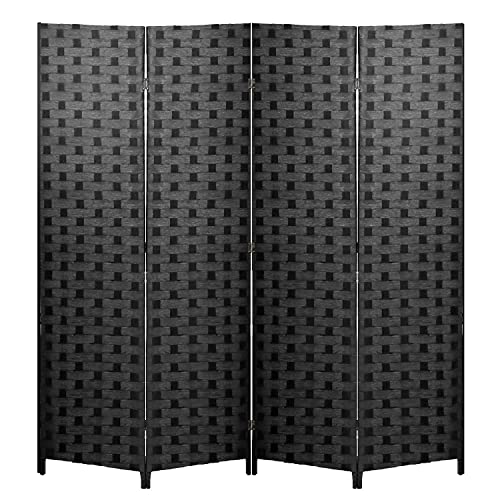
Best for: users needing flexible room shaping with a sturdy wooden feel and easy storage. This four-panel divider is designed to fold and fit into tight storage spaces while providing reliable privacy.
Why selected: The hand-crafted construction suggests careful workmanship and durability. It works well to section off living areas, dressing spaces, or dining corners where a touch of privacy is desired.
Caution: Some listings emphasize general versatility; verify panel alignment if transporting through narrow doorways to prevent pinching or misalignment.
Room Divider 6FT Portable 4 Panel

Best for: spaces that require a tall and wide privacy screen with a fabric surface for better concealment. The 84-inch width creates a broad barrier in open-plan living areas or dorm suites.
Why selected: This option emphasizes stability with a steel frame and wide feet pads to minimize wobble. The fabric is described as non-see-through and resistant to wrinkling, enhancing privacy in active rooms.
Caution: Assembly and hinge setup can impact stability; ensure each panel is fully connected for maximum support and safety.
CHOSENM 4 Panel Room Divider
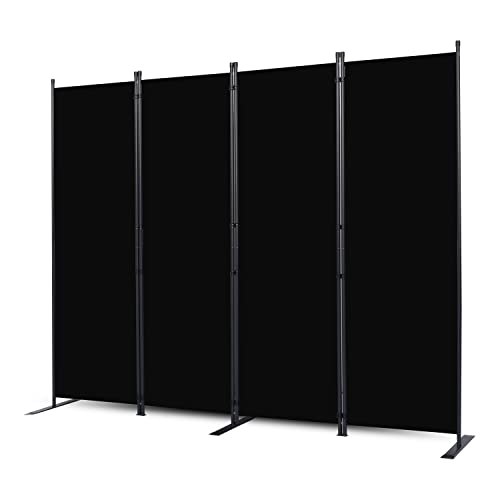
Best for: users seeking a durable, budget-friendly option with broad feet for stability. The 88-inch width and 71-inch height offer substantial privacy for various room configurations.
Why selected: The combination of water-resistant fabric and a powder-coated metal frame supports long-term wear, useful in high-traffic rooms or multi-purpose spaces.
Caution: Fabric is described as waterproof and tear-resistant; avoid sharp objects near the fabric to prevent punctures.
JOSTYLE Bamboo Room Divider

Best for: spaces where a natural, warm aesthetic is prioritized along with height. The bamboo panels provide a distinctive look while offering reliable privacy in living rooms or studios.
Why selected: The natural bamboo material delivers a clean, eco-friendly appearance with a tall profile that helps define zones without feeling heavy.
Caution: Bamboo is a natural material; watch for humidity or prolonged moisture exposure which may affect finish over time.
Buying Guide
What should you consider before buying a room divider?
- Height and width: How much privacy is needed, and how much wall coverage should you gain? Choose a panel count and dimensions to match room size and ceiling height.
- Material and durability: Do you prefer wood, fabric, metal, or bamboo? Consider cleaning needs, humidity resistance, and how the material ages in your space.
- Portability and storage: Is easy folding and flat storage important for seasonal use or small apartments? Look for hinges, folding mechanisms, and weight.
- Stability: Do you frequently move furniture or have high-traffic areas? Options with wider feet, non-slip bases, or reinforced frames reduce tipping.
- Aesthetic: Should the divider blend with your decor or stand out as a design element? Materials like bamboo or natural wood pair well with organic interiors, while fabric panels can soften a room.
- Privacy level: Do you need see-through screening or opaque panels? Fabric and dense panels offer more concealment than lightweight rice-paper styles.
Frequently Asked Questions
- What is the typical height of these room dividers?
Most options range from about 6 feet tall to just under 7 feet, providing substantial privacy in open spaces.
- Are these screens easy to move between rooms?
Yes. Most folding screens are designed for quick repositioning and storage, making them suitable for apartment living.
- Do these dividers block light completely?
Privacy varies by fabric and panel density. Some fabrics are non-see-through for better concealment, while lighter panels allow more ambient light.
- Which material is most durable for a high-traffic area?
Steel frames with reinforced hinges tend to hold up well in busy environments, followed by solid wood with quality joinery.
- Can I use a divider outdoors or in damp spaces?
Most listed dividers are designed for indoor use. Materials like bamboo and certain fabrics may degrade with prolonged moisture exposure.