If you’re looking to create private zones in open spaces, a solid wood room divider offers durability, warmth, and versatile layouts. This guide highlights five top wooden room dividers, chosen for stability, ease of use, and adaptable design. Ideal buyers include home office workers seeking separation, small-space residents needing flexible layouts, and designers wanting decorative privacy with natural finishes. Below is a quick comparison to help you pick the right screen for your space.
Summary Table
| Product | Material/Finish | Best For | Key Benefit |
|---|---|---|---|
| Bluecat 8 Panel Room Divider | Solid wood, Warm White | Large open-plan rooms; home offices | Extra-wide coverage with 360° hinges |
| Roundhill Oriental Shoji 4 Panel (Cherry) | Wood frame with rice paper | Small spaces needing light privacy | Lightweight, instantly ready |
| Roundhill Oriental Shoji 4 Panel (Natural) | Wood frame with rice paper | Minimalist decor; portable privacy | Natural finish; easy to move |
| Svimi Wood Louvered 6 Panel | Paulownia wood | Adjustable privacy and air flow | Lightweight and foldable with louvered design |
| VEVOR 6 Panel Wood Divider | Paulownia wood, rustic finish | Home, office, or restaurant ambiance | 6 panels with 360° movement |
Bluecat 8 Panel Room Divider

Best for large spaces needing full privacy, the Bluecat 8 Panel Room Divider offers an expansive 128-inch width with a solid wood frame and warm white panels. The 360° double hinges allow flexible configurations like straight, L‑shape, or U‑shape, making it easier to adapt to living rooms, home offices, or dressing areas. This model excels where open layouts require tall, durable screens without visual clutter.
Who it’s best for: buyers with wide rooms or studios that need broad coverage and a bright, clean finish that complements modern, farmhouse, or bohemian decor. The heavy-duty hinges reduce jamming risk over time. Caution: the solid-wood frame and wide panels may require more floor space to accommodate full extension.
Roundhill Oriental Shoji 4 Panel (Cherry)

This four-panel screen uses a wood frame with rice paper-style panels, offering lightweight privacy ideal for compact spaces. The cherry finish adds a warm, traditional touch to rooms that prioritize a softer aesthetic while maintaining easy mobility and instant setup. It folds flat for storage, making it a practical choice for renters or multipurpose rooms.
Who it’s best for: small apartments, studios, or bedrooms needing quick privacy without heavy furniture. Choose this if you value a traditional look and simple, no-fuss deployment. Limitation: the “rice paper” style is decorative rather than opaque; expect partial visibility through the panels.
Roundhill Oriental Shoji 4 Panel (Natural)

The natural-finish Shoji screen provides a light, airy feel while delivering essential privacy for restricted spaces. Its compact 4-panel design keeps layouts flexible and portable, with the added benefit of blending seamlessly into Scandinavian or minimalistic interiors. Ready to use right out of the box and easy to move between rooms.
Who it’s best for: residents seeking a low-profile divider that preserves natural light and an understated wood look. Caution: lighter wood tones may show wear or scuff marks sooner than darker finishes.
Svimi Wood Louvered 6 Panel Divider

The Svimi six-panel divider uses a lightweight paulownia wood frame with a louvered design to balance privacy with ventilation. It includes six panels of adjustable length and a natural brown finish. The product is easy to expand or retract, offering practical flexibility for dividing spaces like living rooms, bedrooms, or dressing areas while maintaining air flow.
Who it’s best for: buyers who want a breathable, adjustable room divider that can be reconfigured quickly. Better for small- to mid-size rooms with a need to avoid a sealed, claustrophobic feel. Caution: the color may shift slightly with lighting; check product images for precise tone in your space.
VEVOR 6 Panel Wood Divider

The VEVOR 6-panel room divider blends a rustic European-inspired look with six panels and durable paulownia wood. The 360° movement and versatile knocking-down design enable creative layouts, from zigzag configurations to long straight barriers. It’s suitable for homes, offices, restaurants, and bedrooms seeking a decorative, functional partition that can be folded away when needed.
Who it’s best for: spaces requiring a sturdy, stylish privacy screen with flexible positioning. Choose this if you want a statement piece that still folds compactly for occasional reconfiguration. Caution: a rustic finish may show natural wood variation; consider ordering a coordinated set if mixing with other wood tones.
JOSTYLE 6 Panel Room Divider
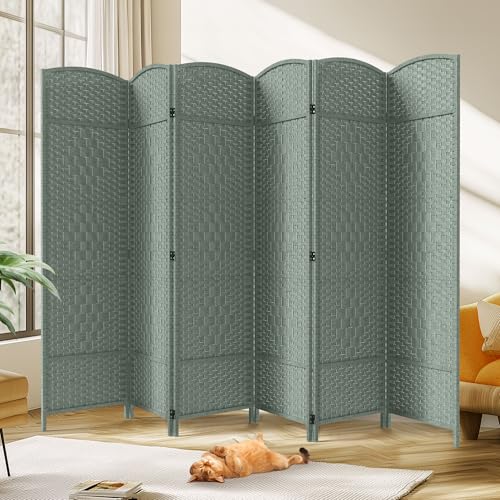
The JOSTYLE six-panel divider stands tall at 70.9 inches with near-full 119-inch width coverage. It is designed for quick setup with zero assembly, portable use, and freestanding stability. This model fits apartment living, office partitions, classrooms, and rental properties where a tall, unobtrusive divider is preferred. It’s lightweight for easy relocation but retains substantial privacy in typical room layouts.
Who it’s best for: renters or owners needing a tall, easily movable divider that doesn’t require tools. Better for large, open spaces that still demand clear zones. Limitation: light weight means it may tip if bumped in high-traffic areas; position away from doorways where traffic is heavy.
Buying Guide: Wood Room Dividers For Buyers
Key considerations help align a wooden room divider with your space and needs. Use this practical guide to compare materials, construction, and functionality before purchasing.
How much space do you need to allocate?
Measure the room and consider the panel count and total unfolded width. Wider screens provide more privacy but require more floor space. For studios and one-bedroom apartments, four to six panels often balance privacy with room flow.
What finish and style match your decor?
Solid wood finishes range from warm white, natural, to cherry and rustic browns. Choose a finish that complements furniture and flooring. A lighter finish can brighten a space, while a darker tone adds a classic or formal mood.
How important is ventilation and light?
Louvered designs and rice-paper panels offer airflow and light diffusion. If you need visual privacy without heavy shading, consider options with gaps or panels designed for airflow.
Is portability or permanence a factor?
Folding and freestanding screens are ideal for renters or multi-use rooms. If you require minimal maintenance, look for models advertised as zero-assembly or easily foldable for storage.
Durability and daily use considerations
Solid wood frames and high-quality hinges improve longevity, especially in high-use areas. Be mindful of weight, hinge strength, and potential warping if exposed to humidity or temperature fluctuations.
When and how to place the divider?
Position screens to create distinct zones, such as a home office area, dressing nook, or reading corner. Avoid placing rigid dividers where they block traffic flow or sunlight in a way that disrupts the room’s function.
Maintenance tips
Dust regularly with a soft cloth. For finishes, follow the manufacturer’s care guidance to avoid scratching or dulling the surface. If you have pet or child-heavy spaces, consider a model with a durable, easy-to-clean finish.
Frequently Asked Questions
- What is the best room divider for a small space? A four-panel or six-panel screen with a lightweight frame can provide private zones without overpowering the room.
- Are wood dividers easy to move? Yes, most folding screens are designed for quick relocation and storage, especially those advertised as zero-assembly.
- Do wooden dividers affect room aesthetics? Yes, finishes like natural or warm white can brighten spaces, while cherry and darker tones add warmth and contrast.
- Should I choose hinged or louvered designs? Hinged designs maximize layout flexibility; louvered panels offer better airflow and a breezier appearance.
- Can I use a room divider outdoors? Most indoor wooden dividers are designed for interior use. If you plan outdoor placement, verify weather resistance and manufacturer guidelines.
- Do price lists indicate quality? Not always. Compare construction quality, hinge durability, and finish type rather than relying on price alone.