Ridge vent systems improve attic airflow while reducing moisture buildup and energy loss. With options ranging from traditional vent strips to self-adhesive mesh and wildlife exclusion guards, homeowners can select a system that fits metal or shingle roofs and local weather conditions. This guide highlights five reliable products designed to maximize ventilation, resist weather, and deter pests. A quick product table is provided below for fast comparison.
| Product | Brand | Key Benefit | Best For |
|---|---|---|---|
| Peak Protector Ridge Vent Exclusion Guard Cover | Peak Protector | Wildlife exclusion and attested USA-made quality | |
| Lomanco Omni Pro Shingle Over Ridge Vent | Lomanco | Easy installation with shingle-overlay design | |
| LCF Universal Vented Ridge Material for Metal Roofing | Lakeside Construction Fasteners | Breathable, full adhesive backing for metal panels | |
| Pangda Ridge Vent Mesh Roll | Pangda | Activated carbon filtration and flexible fit | |
| SFNSM Ridge Vent Mesh Roll | SFNSM | High adsorption and insect deterrence |
Below are five carefully chosen ridge vent products, each summarized with practical installation notes and key features. These options cover a range of roof types, climates, and maintenance needs to help inform a purchasing decision.
Peak Protector Ridge Vent Exclusion Guard Cover
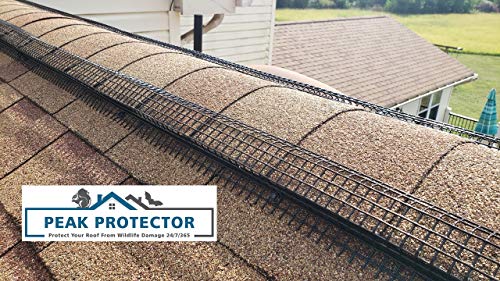
The Peak Protector guard is designed to exclude bats, mice, squirrels, rats, and other critters from ridge vents. It is manufactured in the USA and focuses on preventing animal intrusion while allowing air to flow. The installation involves securing a cover over the ridge vent line, creating a barrier against wildlife without substantially restricting venting. Features emphasize protection against animals and compatibility with common ridge vent layouts.
Lomanco Omni Pro Shingle Over Ridge Vent

The Lomanco Omni Pro is a shingle-over ridge vent solution designed to blend with roofing while delivering weather protection. The kit includes nails and features molded-in shingle nail lines, ensuring alignment with shingles and reinforced joints. With 18 square inches of net free area per linear foot and reinforced nail holes every two inches, it aims to balance airflow with durability in varied weather conditions.
LCF Universal Vented Ridge Material for Metal Roofing

This universal vent material is designed for metal roofs and ribbed panels, with a full adhesive backing to prevent shifting during installation. It provides breathable airflow (18 square inches of net free area per linear foot) while blocking debris. It works across a wide slope range and uses a flexible, conforming mesh to seal against panel profiles, which can improve energy efficiency and reduce heat transfer in attics.
Pangda 49.2 Ft Roof Ridge Vent Mesh Roll
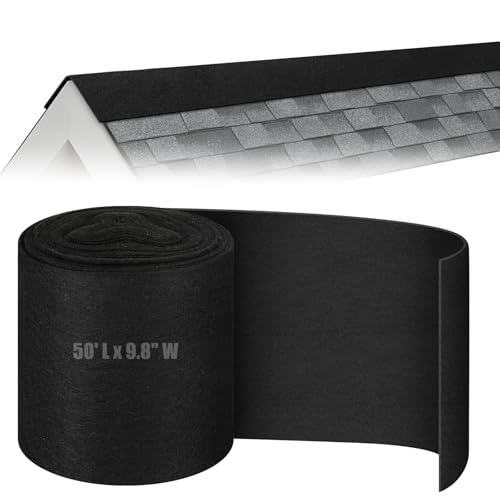
The Pangda mesh roll measures 49.2 feet by 9.8 inches and is designed to cover most ridge vents. Its flexible design allows trimming for a precise fit while an activated carbon layer helps suppress odors and filter pollutants. A reinforced metal backing prevents sagging and maintains shape under adverse weather, ensuring long-term performance with heavy rain or snow.
SFNSM Ridge Exhaust Mesh Roll

SFNSM offers a ridge vent mesh with activated carbon filtration to improve air quality while providing high breathability. The kit notes simple installation—ridges can be cut to length, and the mesh is designed to seal against pests and moisture. The emphasis is on odor control and insect prevention without compromising airflow.
Buying Guide
Key purchase considerations include roof type, climate, and maintenance needs. For metal roofs or ribbed panels, ensure the product is rated for universal or metal-specific installation, with an adhesive backing that resists wind uplift. For shingle roofs, look for shingle-over designs that align with existing shingles and include nails or fasteners for secure attachment. Wildlife exclusion options are useful in areas with small mammals or pests and can reduce damage to ridge vents and attic insulation.
Airflow efficiency is commonly measured by net free vent area (NFA). Compare products by NFA per linear foot to estimate attic ventilation. Pay attention to debris protection features like baffles or weatherproof joints, especially in windy or wet climates. Self-adhesive options simplify installation but ensure the surface is clean and dry for best adhesion. In areas with insects or odors, carbon-filtered meshes can improve air quality while preserving ventilation.
Durability matters in cold or snowy regions; look for reinforced backing and molded lines that prevent warp. If you live in regions with heavy snowfall, enhanced snow screens or weather-resistant materials improve long-term performance. Finally, factor in compatibility with your roof type (metal, tile, or asphalt shingles) and your willingness to perform periodic inspections to ensure seals and mesh remain intact over time.