When power outages or cold snaps hit, a dependable indoor kerosene heater can be a straightforward, portable heat source. This guide highlights five top-rated kerosene heaters designed for indoor spaces, garages, and workshops. Each product offers a blend of heat output, fuel capacity, and safety features to help you choose the right model for your needs.
| Product | Brand | BTU | |
|---|---|---|---|
| Sengoku HeatMate Portable Convection Kerosene Heater | HeatMate | 23,000 BTU | 1.9 gal |
| Dura Heat Convection Kerosene Heater | Dura Heat | 23,800 BTU | Unknown |
| Kero World Kerosene Convection Wick Heater | Kero World | 10,500 BTU | 1.1 gal |
| Sengoku Indoor & Outdoor Heaters (HeatMate 10,000 BTU) | HeatMate | 10,000 BTU | 1.2 gal |
| Remington 80,000 BTU Kerosene Heater | Remington | 80,000 BTU | Unknown |
Note: BTU values indicate heating capacity for typical indoor spaces. Always follow local safety guidelines and product instructions when operating kerosene heaters.
Sengoku HeatMate 10,000 BTU Indoor/Outdoor Heater

The Sengoku HeatMate 10,000 BTU unit is designed for portability and flexible use, offering a compact footprint suitable for indoor spaces, garages, basements, or camping setups. Its 1.2-gallon kerosene tank provides extended run times, with up to about 14 hours of continuous heat under typical conditions. A key safety feature is an automatic shut-off system plus a user-friendly push-button start, which eliminates the need for matches or external power sources. This makes it a dependable option for semi-permanent installations or temporary heating during outdoor activities.
Dura Heat Convection Kerosene Heater — 23,800 BTU
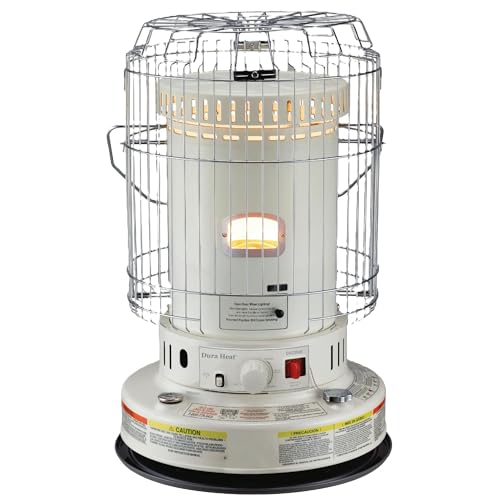
The Dura Heat DH2304BB delivers robust indoor warmth with 23,800 BTU, capable of heating up to about 1,000 square feet. It includes practical features for reliability during emergencies or outages, such as a battery-powered ignition and an emergency shut-off mechanism. The heater is designed with a secure operation profile, including a pinned wick for easier maintenance and a safety-oriented design to reduce tipping risks. It suits larger rooms, workshops, or spaces that require steady, extended heat without relying on electricity.
Kero World Kerosene Convection Wick Heater

The Kero World model combines radiant and convective heating to deliver 10,500 BTU efficiently for spaces up to 450 square feet. It emphasizes emergency preparedness with dependable warmth during power outages and is designed for both home and mobile scenarios—home use, camping trips, or workshop environments. The unit is portable and features a long runtime, capable of working up to about 15 hours on a 1.1-gallon tank. A safety system and UL listing underpin its fit for everyday use and seasonal readiness.
Sengoku Heat Mate Portable Convection Heater — 23,000 BTU

This Sengoku model targets larger spaces with 23,000 BTU, designed as a reliable emergency heat source for rooms around 900 square feet. It features a sizeable fuel capacity of 1.9 gallons, enabling longer burn times between refills. The heater’s convection design promotes even heat distribution, making it well-suited for basements, living areas, and larger workshops that require consistent warmth during extended use.
Remington 80,000 BTU Kerosene Heater
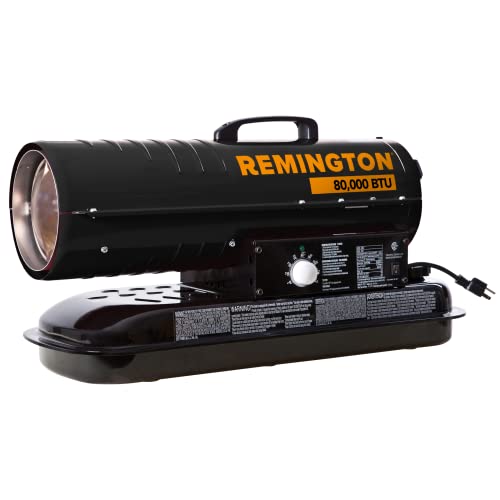
The Remington REM-80T-KFA-B model is designed for large spaces, delivering up to 80,000 BTU and heating up to 2,000 square feet for up to ten hours on a full tank. It supports multiple fuel options, including K-1 kerosene, #1 and #2 diesel, JP8/Jet A fuel, and certain fuel oils, offering versatility in fuel sources. A robust five-point safety system—high-temperature limit shut-off, flameout protection, circuit breaker, heat sensor, and protective guards—helps to maintain safe operation in diverse environments like warehouses, garages, barns, and workshops.
Buying Guide: Key Considerations for Indoor Kerosene Heaters
- Heat output and space area: Match BTU ratings to the size of the space you intend to heat. Larger spaces require higher BTU models, but oversizing can waste fuel and cause uneven temperatures.
- Fuel capacity and runtime: Check tank capacity and estimated runtime. Longer runtimes mean fewer refills, which is important for emergency use or off-grid settings.
- Fuel type compatibility: Most indoor kerosene heaters run on kerosene but some accept diesel or alternative fuels. Verify availability of your preferred fuel and local regulations about fuel storage.
- Safety features: Look for automatic shut-off, tip-over protection, flame sensors, and sturdy guards. UL listing and manufacturer safety instructions are key indicators of reliability.
- Ignition and operation: Battery-powered or push-button ignition can simplify startup, particularly in power outages. Consider whether you need electricity for ignition or if a non-electric option is preferable.
- Ventilation and air quality: Despite “indoor” use, ensure proper room ventilation to avoid buildup of fumes. Some units emphasize smokeless combustion, but always follow manufacturer guidance and local codes.
- Portability vs. permanence: If you need heat in multiple rooms or for outdoor use, a portable model with a manageable weight and handle is valuable. For a fixed space, a larger unit may be more economical.
- Maintenance: Wick and fuel system upkeep influence performance and longevity. Easy access to wicks and straightforward cleaning routines are practical benefits.
- Noise and odor: Some heaters may emit noticeable odors or fan-like noise. Consider placement away from living areas if sensitivity is a concern.
- Warranty and support: A solid warranty and accessible customer support can be critical if you rely on the heater during winter or emergencies.
These factors help balance heat needs with safety and convenience. For homeowners and hobbyists seeking dependable warmth without electrical reliance, kerosene heaters provide flexible, portable options that can complement or temporarily replace other heating methods during outages or cold snaps.