Selecting the right primer is crucial when installing peel-and-stick tiles. The best primers improve adhesion, block stains, and tolerate temperature and moisture shifts. This guide highlights five top primers designed for peel-and-stick tile projects and explains how to choose the right one for your surface.
| Product | Brand | Key Use |
|---|---|---|
| FloorPops FPP4182W Primer | FloorPops | Latex floor primer for peel-and-stick tiles; use full strength |
| Schluter PRMPS1 Primer | Schluter | Superior adhesion on challenging substrates; wide compatibility |
| Zinsser Peel Stop Bonding Primer | Zinsser | Water-based sealer; binds cracking and peeling surfaces |
| INSL-X High Build Peel Bonding Primer | INSL-X | Flexible, breathable; blocks stains and requires heavy build |
| Zinsser Peel Stop Triple Thick Primer | Zinsser | Triple-thick binder; seals and fills gaps for smooth finish |
FloorPops FPP4182W Primer
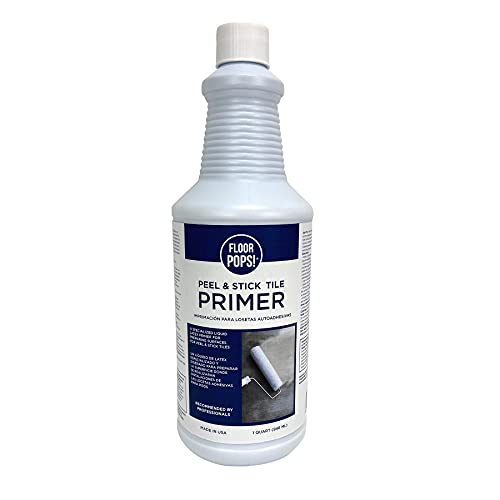
FloorPops FPP4182W is a latex-based primer designed for FloorPops peel-and-stick tiles. Surfaces must be sound, dry, clean, and free of contaminants. Use at full strength—do not dilute. This primer provides a stable base that helps ensure reliable adhesion on compatible substrates. Proper surface prep and complete drying are essential for best results, particularly on high-traffic areas or concrete substrates.
Schluter PRMPS1 Primer

Schluter PRMPS1 primer promotes superior adhesion between peel-and-stick membranes and substrates, helping installations last on imperfect surfaces. It offers wide compatibility with gypsum underlayment, existing tile, plywood, OSB, steel, and concrete, above and below grade. Easy cleanup is a notable benefit: rinse rollers or brushes with water while the primer is still wet, supporting efficient tool maintenance and consistent results.
Zinsser Peel Stop Bonding Primer

Zinsser Peel Stop Bonding Primer is a water-based interior and exterior sealer that extends the life of problem surfaces. It binds cracking, chalking, and peeling paint to create a surface suitable for coatings and adhesives. The product supports durable adhesion on diverse substrates, helping to prevent future peeling and edge lift when peel-and-stick tile systems are applied over challenging substrates.
INSL-X High Build Peel Bonding Primer

INSL-X High Build Peel Bonding Primer remains flexible and breathable over time, reducing the risk of peeling or cracking with seasonal changes. It also blocks rust stains and mild tannin bleed. Apply up to 20 mils wet for a thicker initial coat when addressing porous or irregular surfaces, then finish with the appropriate sealant or tile adhesive for Peel-and-Stick tile installations.
Zinsser Peel Stop Triple Thick Primer

Zinsser Peel Stop Triple Thick Binding Primer uses a triple-thick formula to penetrate and bond with cracked or peeling surfaces, gluing down edges and filling gaps for a smooth finish. It dries to the touch in about 30 minutes and covers between 50–200 sq ft per gallon, depending on surface porosity. This primer is useful on problematic interiors and exteriors where additional bonding strength is needed before tile installation.
Buying Guide
Primer Types For Peel‑And‑Stick Tiles
Choose water-based primers for easier cleanup and lower odor, and consider high-build or bonding variants when working with porous or uneven substrates. Primers labeled for bonding are especially helpful on concrete, plywood, or concrete over slab foundations. For most residential peel-and-stick projects, a versatile water-based bonding primer provides reliable adhesion without strong fumes.
Surface Preparation And Compatibility
Proper prep is essential. Surfaces must be sound, dry, clean, and free of contaminants. Remove grease, dust, and old adhesives. Porous substrates like concrete benefit from penetrating primers, while non-porous surfaces may require adhesion-promoting products. Always follow the manufacturer’s recommendations for substrate compatibility and cure times.
Dry Time And Recoat Window
Expect varying dry times depending on product and environment. Some primers dry to the touch within 30 minutes, while others may require a longer cure before applying peel-and-stick tiles. Plan for adequate ventilation and temperature control to achieve optimal bonding. Never apply tile adhesive over a primer that remains tacky or soft.
Flexibility And Breathability
Primers that stay flexible and breathable help accommodate substrate movement and temperature changes, reducing the risk of cracking or peeling around edges. This is especially important for wood subfloors and concrete slabs that experience seasonal moisture shifts. Look for products that explicitly mention elasticity and moisture tolerance.
Application Tools And Cleanup
Most primers are easy to apply with a roller or brush. Water-based primers typically rinse clean with water, simplifying cleanup and tool maintenance. Keep brushes and rollers dedicated to primer use to avoid cross-contamination with other coatings or finishes.
Brand Considerations And Choosing Among Options
Brand familiarity and substrate recommendations can guide your choice. FloorPops, Schluter, Zinsser, and INSL-X offer primers with different strengths—adhesion, sealing, flexibility, and coverage. For challenging substrates or mixed-material bases, a primer with bonding strength and broad compatibility is often the best starting point. Consider project size, ventilation, and availability when selecting a primer.