Choosing the right primer is essential when preparing bare aluminum for paint or coatings. The following primers are designed to etch, bond, and protect aluminum surfaces from rust and corrosion, while providing a solid foundation for topcoats. This guide profiles five reliable products, aligned with common garage and workshop needs—from fast-drying aerosols to durable solvent-based formulas. Each option offers anti-corrosion benefits and improved adhesion to bare metals, helping seal the substrate before color and clear finishes.
| Product | Substrate | Finish/Key Benefit |
|---|---|---|
| U-POL Etching Primer | Bare metals including aluminum | Anti-rust, premium adhesion |
| Rust-Oleum 254170 Aluminum Primer | Bare aluminum | Weather-resistant, durable oil-based |
| Rust-Oleum Stops Rust Flat Aluminum Primer | Aluminum | Water-based acrylic, strong rust prevention |
| Custom Shop Self Etching Primer | Aluminum, galvanized steel, stainless | Fast-drying, no-sand direct topcoat |
| JENOLITE Universal Etch Primer | Aluminum, galvanized, stainless | Self-etching, topcoat ready |
U-POL Etching Primer For Bare Metals

The U-POL self-etching primer is designed to prepare bare metals, including aluminum, for overpainting. It provides anti-rust protection and promotes maximum adhesion. For best results, thorough surface preparation is essential: clean, degrease, abrade with the appropriate grit, and mask surrounding areas to avoid overspray. This formulation targets bare metal substrates like galvanized steel, aluminum, and fiberglass, making it a versatile choice for automotive and industrial projects.
Rust-Oleum 254170 Aluminum Primer Spray

Designed specifically for bare aluminum, this primer provides corrosion protection and a tough finish that withstands weathering. The oil-based formula maintains a consistent, corrosion-resistant color despite the elements and offers twice the protection of paint alone. It covers up to 14 square feet per can, dries to touch quickly, and is suitable for indoor and outdoor use, ready for topcoat application after initial curing. It emphasizes blend compatibility with various coatings while preserving aluminum’s surface characteristics.
Rust-Oleum Stops Rust Flat Aluminum Primer

Stops Rust Flat Aluminum Primer uses a water-based acrylic formula to deliver durable rust prevention on exterior and interior surfaces. It bonds tightly to aluminum and galvanized metal, providing a protective layer that supports long-term durability. The primer dries to touch in about one to two hours and covers a substantial area, making it suitable for larger projects or restoration work where rust protection is a priority before topcoating.
Custom Shop Self Etching Primer Spray
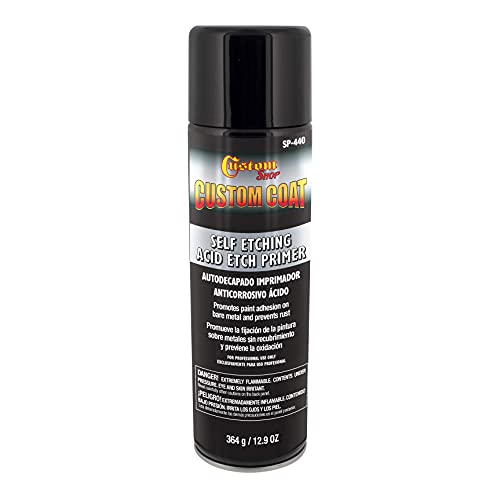
This fast-drying self-etching primer uses a phosphoric acid etch to bond to difficult substrates, including galvanized steel and aluminum. It provides anti-corrosion protection and serves as a solid base for all automotive paints and coatings. No sanding is required for topcoating, thanks to a high-atomization nozzle that delivers even, professional coverage across complex shapes and contours.
JENOLITE Universal Etch Primer

JENOLITE’s universal etch primer is designed for difficult-to-paint surfaces, including aluminum, galvanized steel, and stainless steel. It is self-etching and topcoat ready, offering a reliable foundation for subsequent paint layers. This primer addresses challenging substrates and helps improve adhesion across diverse material types commonly encountered in automotive, industrial, and restoration applications.
Buying Guide: Key Considerations For Bare Aluminum Primers
When selecting a primer for bare aluminum, consider substrate condition, coating system compatibility, and application preferences. For bare aluminum, etching primers or self-etching formulas are preferred to create a roughened surface that favors adhesion. The primer’s rust and corrosion protection helps maximize longevity in harsh environments, while drying time and recoat windows affect workflow. Aerosol vs. spray can formats impact coverage pattern, overspray control, and suitability for larger projects. Always follow manufacturer prep and application directions for optimal results.
Application environment matters: indoor spaces with controlled humidity may benefit from faster-drying products, whereas outdoor projects might prioritize wind resistance and longer cure times. Surface preparation remains critical: remove oils, waxes, and contaminants before priming, and ensure compatibility with the intended topcoat—whether it’s a clear coat, enamel, or automotive finish. For DIY enthusiasts, consider products that offer no-sand direct-to-topcoat options to simplify the process. For professionals, high-adhesion formulations and broader substrate compatibility can save time across varied jobs.
Note the format: aerosols are convenient for small or intricate surfaces, but bulk projects may require a sprayable primer with a spray gun. Look for primers that advertise phosphoric acid etching or self-etching properties when working with aluminum to guarantee robust bonding and rust resistance. Environmental and safety considerations, such as VOC content and proper ventilation, are also important for compliant and safe application in home garages or shop spaces.
Summary of choice considerations:
– Substrate compatibility: aluminum, galvanized metal, stainless steel
– Adhesion technology: self-etch, phosphoric acid etch, premium bonding agents
– Drying and recoat times: determine project schedule
– Finish and topcoat compatibility: direct-to-topcoat options vs. need for sanding
– Application format: aerosol vs. spray can vs. bulk primer
All five products addressed here offer credible approaches to priming bare aluminum surfaces, balancing ease of use with long-term durability. Depending on project scale, substrate complexity, and desired workflow, one of these primers can provide the foundation needed for a durable, corrosion-resistant finish.