Protect gardens, chicken coops, and livestock with reliable predator deterrent lights. This guide highlights five effective solar and battery-powered options designed to deter nocturnal animals like coyotes, raccoons, foxes, and owls. Each entry includes practical installation tips, coverage, and weather resilience to help you choose a solution that fits your property and climate.
| Product | Brand | Coverage / Use | Power | Key Benefit |
|---|---|---|---|---|
| X-PEST Solar Animal Repeller | X-PEST | Garden, Coop, Farm | Solar | Strobe red lights for night deterrence |
| ASPECTEK Predator Eye PRO | ASPECTEK | Up to 4,600 sq ft | Solar | Two flashing red lights, weatherproof |
| JahyElec Solar Nocturnal Animal Repeller | JahyElec | Yard, Garden, Coop | Solar | Wide detection, predator-eye effect |
| Nite Guard Solar NG-001 | Nite Guard | Gardens, Livestock, Campsites | Solar | Constant “discovered” light pattern |
| Jahy2Tech Upgraded Predator Deterrent | Jahy2Tech | Chickens, Yard, Orchard | Solar | Flashing red lights with durable build |
Product Sections
style=”display:none;”>Introductory Overview
X-PEST Solar Animal Repeller

The X-PEST predator deterrent uses dual red strobe lights to warn nocturnal wildlife. By mimicking a bonfire and the look of predator eyes, the device aims to deter coyotes, deer, wolves, foxes, raccoons, skunks, and other animals from gardens, coops, and farms. Its solar panel charges during the day, with an internal sensor that activates at dusk. The unit is IP44 waterproof, making it suitable for varied weather without chemical treatments.
Features include solar charging, automatic dusk-to-night operation, and a visible red-eye effect designed to create an uncomfortable presence for wildlife. The compact design makes it a practical option for fence lines, perimeters, and coop exteriors. Users should position multiple units for broader coverage, especially in open areas with active wildlife activity.
ASPECTEK Predator Eye PRO
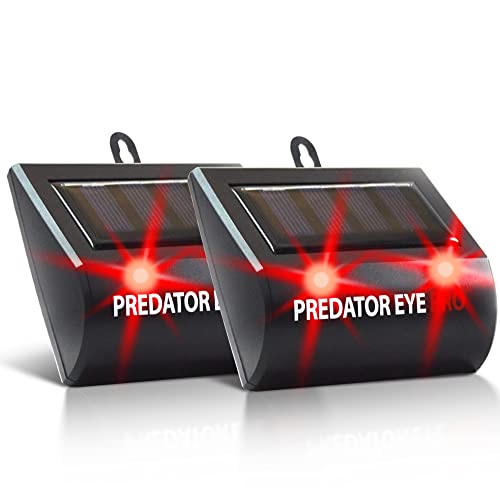
The ASPECTEK Predator Eye PRO provides two solar-powered red flashing lights, designed to deter pests at night over up to 4,600 square feet. The latest design emphasizes weatherproof performance to endure rain, snow, and humidity. It’s positioned as an economical, humane option that avoids traps or chemicals while delivering ongoing pest deterrence.
Key considerations include coverage area, weather resilience, and the absence of harmful substances. The product’s two-flash-light configuration aims to create a constant warning signal for passing wildlife. For optimal results, mount on elevated posts or coop walls to ensure a wide field of view and reduce blind spots around feed and entry points.
JahyElec 8 Pack Solar Nocturnal Animal Repeller

This 8-pack option from JahyElec emphasizes a wide detection range with predator-eye LED imitation to deter nocturnal visitors. The solar-powered design includes a rechargeable battery and efficient solar panel, delivering several days of operation on a full charge. It’s touted for strong night performance, with a broad field of protection ideal for large yards, gardens, farms, and coop perimeters.
Consider the kit’s scalability for larger properties and how many units you’ll need to achieve 360-degree coverage. Placement on corners, fence lines, and around feed storage can help create consistent deterrence across different zones of your property.
Nite Guard Solar NG-001 Predator Control Light

The Nite Guard NG-001 delivers a constant flashing pattern designed to signal to animals that they have been observed. This solar-powered unit turns on at dusk and off at daylight, offering a simple, low-maintenance deterrent for gardens, poultry areas, and campsites. It emphasizes reliability and minimal upkeep while providing ongoing protection without chemicals or traps.
Key factors include the effectiveness of the flashing pattern over time, durability of the housing, and ease of mounting. For best results, place units around perimeters where intruding animals are most likely to approach, and consider pairing with additional deterrents for broader coverage.
Jahy2Tech Upgraded Predator Deterrent

The Jahy2Tech predator deterrent is described as an upgraded model with robust ABS construction and improved waterproof performance. It features an intelligent light-sensing system that adapts to ambient light and uses rapid red LED flashing to imitate a flame signal, compelling potential intruders to retreat. The design targets coyotes, deer, cats, and other animals while aiming to balance deterrence with humane considerations.
When evaluating this option, assess its build quality for harsh weather, sensor reliability, and the intensity of the flashing sequence. For larger properties, supplement with multiple units to ensure comprehensive coverage around coop doors and feed areas.
JahyElec 4 Pack Nocturnal Predator Lights

This four-pack model from JahyElec uses dual red LED predator eyes to simulate danger and deter nocturnal intruders. The product emphasizes easy installation—mounting on posts, fences, or walls with height adjustability. Its IP44 rating suits varied outdoor conditions, including rain and cold. It’s positioned as a scalable solution for mid-sized properties seeking robust night-time protection.
Consider coordinating placement with other deterrents to create a seamless perimeter and to minimize blind spots. Adjusting heights and spacing can help achieve better coverage around coop entrances and garden borders.
Buying Guide: Key Purchase Considerations And Comparisons
- Power source and maintenance: Solar-powered units reduce ongoing costs but require sufficient sun exposure. Evaluate battery life, charge stability in winter, and the need for occasional battery replacement on longer-tenure devices.
- Coverage area: Properties vary in size and layout. Look for models offering wide coverage per unit or the ability to deploy multiple units for 360-degree deterrence around coops, gardens, and feed stocking.
- Visual deterrent intensity: Red flashing LEDs simulate predator presence. Consider frequency (e.g., 4 Hz vs. constant flashing) and the perceived threat to wildlife in your region to determine effectiveness and animal habituation risk.
- Weather resistance: IP ratings (IP44 or higher) indicate protection from rain and moisture. For snowy or icy climates, ensure the housing remains functional and accessible for troubleshooting.
- Durability and materials: ABS or rugged plastics with sealed electronics tend to endure outdoor environments. Check that mounting options fit your fencing, posts, or coop walls and offer stable positioning.
- Installation and maintenance: Simpler devices with intuitive activation, height adjustment, and straightforward mounting reduce setup time. Plan for periodic checks to ensure solar panels stay clean and unobstructed by debris.
- Humane and regulatory considerations: Predator deterrents are generally designed to be non-lethal. Confirm local wildlife guidelines and safety guidance to ensure compliant, humane operation.
- Cost vs. coverage: While some packs offer multiple units, weigh the upfront cost against the desired coverage area. In larger properties, several units wired with strategic placement often yield the best results.
- Redundancy and scalability: A mix of products can reduce gaps in coverage. For larger yards, combining two or more deterrents oriented in different directions can create a more comprehensive shield against wildlife.