If you need reliable portable warmth without electricity, these kerosene heaters are solid choices for indoor use. They’re best for rooms that need quick heat, emergency backup, or spaces where electricity is unavailable. The top picks below are suited for different buyers: homeowners seeking steady all-day heat, campers and garages needing rugged performance, and those prioritizing safety features or cooking capability. Below is a quick buying guide and a concise comparison table of five strong options.
| Product | BTU / Capacity | Best For | Notable Benefit |
|---|---|---|---|
| VEVOR 9000 BTU Portable Kerosene Heater & Stove | 9000 BTU | Medium rooms, camping, home use | Sturdy 360° heating with storage capability |
| Sengoku HeatMate HMC-23K | 23,500 BTU | Large spaces, emergencies | Automatic safety shut-off and tip-over protection |
| Dura Heat Convection 23,800 BTU (DH2304BB) | 23,800 BTU | Open floor plans, backup heat | Convection design with ignition and safety features |
| Dyna-Glo WK24BK 23,800 BTU | 23,800 BTU | Large rooms, basements | No electricity needed, strong continuous heat |
| Kero World KW-24G 23,800 BTU | 23,800 BTU | All-around performance | 360-degree heating, push-to-start ignition |
VEVOR 9000 BTU Portable Kerosene Heater & Stove
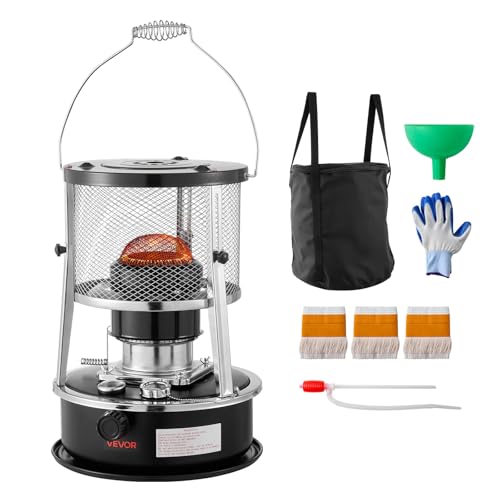
Best for compact spaces that still require robust warmth. The VEVOR model delivers 9000 BTU and features 360-degree heating for uniform warmth in living rooms, workshops, or small cabins. It supports outdoor cooking with a sturdy surface, making it a versatile option for camping or garage use. The included fuel-capacity and easy storage make it practical for occasional winter use. Use this if you want a reliable, mid-sized heater that doubles as a cooking surface for light outdoor meals. A potential limitation is the need to manage fuel carefully in smaller, enclosed spaces.
Sengoku HeatMate HMC-23K Indoor/Outdoor 23,500 BTU
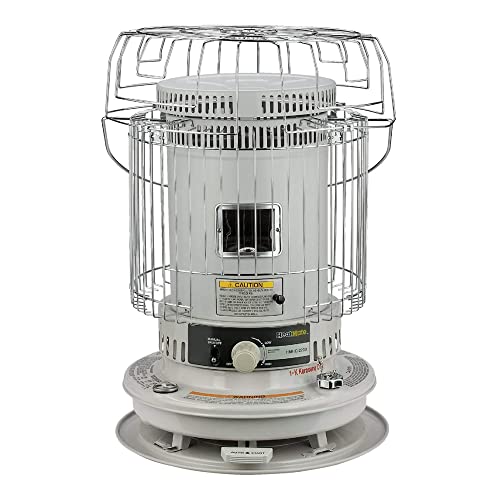
Best for large rooms or garages where extended heat is required. The HeatMate HMC-23K outputs 23,500 BTU and can heat up to about 1,000 square feet. It emphasizes safety with automatic shut-off, a tip-over switch, and protective grills, making it suitable for homes with children or pets. A caution: higher BTU units can require more fuel management and more deliberate placement to avoid overheating smaller spaces.
Dura Heat Convection Kerosene Heater, 23,800 BTU
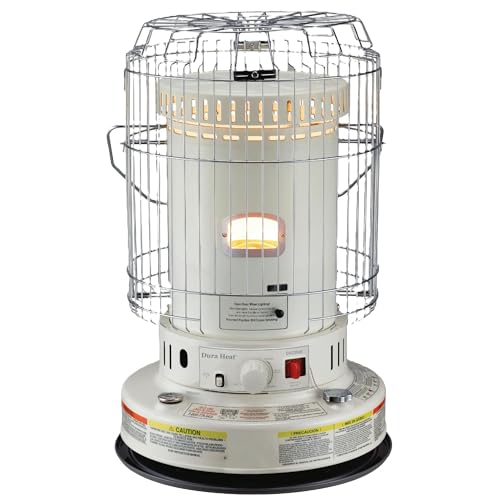
Best for even room warmth with an emphasis on emergency readiness. The DH2304BB delivers 23,800 BTU and features a convection-style design that promotes uniform heating and a reliable wick-based ignition. It is suitable for larger rooms or as a dependable backup heat source during outages. A potential limitation is the need for proper ventilation and fuel management in enclosed spaces.
Dyna-Glo WK24BK 23,800 BTU Indoor Kerosene Heater
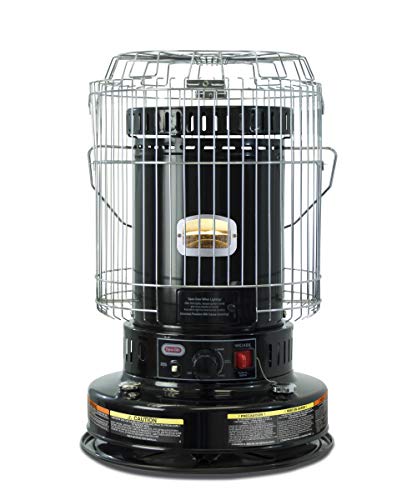
Best for users who want high heat without relying on electricity. The WK24BK provides 23,800 BTU and is positioned for large spaces, basements, or workshops. It’s designed to work without electricity, which is ideal during power outages. A caution: ensure proper space and ventilation to avoid overheating a single room or creating hazardous conditions near flammable materials.
Kero World KW-24G 23,800 BTU Portable Indoor Heater

Best for all-around performance with 360-degree heating and push-to-start ignition. The KW-24G is designed for indoor use with a focus on even heat distribution and ease of start. The unit includes a safety feature to shut off if tipped and a design that supports continuous operation in larger rooms. A limitation to consider is the need for regular fuel management and monitoring for safety in small, well-insulated spaces.
Buying Guide
Which kerosene heater fits your space and needs? Consider these practical factors to compare options effectively.
- Room size and BTU rating: Larger spaces require higher BTU output (e.g., 23,000–23,800 BTU) for efficient heating. For smaller rooms, 9,000 BTU units may suffice but may run longer.
- Safety features: Look for automatic shut-off, tip-over protection, and protective grills when children or pets are present. These features reduce risk in indoor environments.
- Fuel capacity and runtime: A bigger tank means longer operation between refuels. If you need all-night warmth, prioritize models with 1.3–1.9 gallons or equivalent capacities.
- Portability and setup: Carry handles, adjustable height, and included accessories (wick, funnel, siphon) improve ease of use and flexibility for both indoor and outdoor setups.
- Ventilation considerations: Even with kerosene heaters, ensure adequate ventilation to manage moisture and carbon byproducts in indoor spaces. Avoid tightly sealed rooms for extended use.
- Cooking compatibility: Some 2-in-1 models double as stoves, which can be advantageous for camping or preparedness kits. Confirm cookware capacity and stability when choosing.
- Fuel availability and safety: Verify local fuel availability and storage safety guidelines. Store kerosene away from heat sources and ensure proper labeling.
Choosing by Use Case
- Heaters with large BTU and long runtime are preferred for power outages and poorly insulated spaces.
- High-output units with solid stability and wind resistance are best; ensure safe placement away from combustibles.
- Portable, lighter-weight models with included cooking surfaces are ideal for outdoor trips.
Safety and Maintenance Tips
- Always operate kerosene heaters in well-ventilated areas and never sleep with a heater active in an enclosed space.
- Regularly check wicks and fuel lines for wear and replace as needed following manufacturer instructions.
- Keep a fire extinguisher and working smoke/CO detectors in spaces where heaters are used.
- Store kerosene away from living areas and heat sources; label containers clearly and secure them properly.
FAQ
- Do kerosene heaters require electricity? Most models are non-electric and operate with fuel, but some may have optional electric components. Check each model’s manual for ignition and safety features.
- How many hours can a kerosene heater run? Runtime depends on fuel tank size and consumption. Larger tanks provide longer operation between refuels.
- Are kerosene heaters safe for indoor use? They can be used indoors with proper ventilation and safety features. Always follow the manufacturer’s guidelines and local regulations.
- Can I use a kerosene heater to cook? Some 2-in-1 models include a cooking surface. Ensure you follow safety and cookware compatibility guidelines.
- What maintenance is needed? Regular wick inspection, cleaning, and fuel management are essential. Replace worn parts as recommended by the manufacturer.
- What should I do if there’s a fuel spill? Allow surfaces to dry, ventilate the area, and clean with approved methods per the manual. Do not ignite until surfaces are dry and safe.