Looking for a portable AC unit that fits a travel trailer’s compact space while delivering real cooling performance? This guide highlights five portable AC options that balance size, noise, and efficiency for travel trailers, RVs, and small campers. Each pick is explained with who it’s best for, why it was selected, and a practical limitation to consider. Use the quick comparison table below to compare core specs at a glance.
| Product | Best For | Why It Stands Out | Limitations |
|---|---|---|---|
| Uhome Portable Air Conditioner | Small to mid-sized trailers, quiet nights | 8,000 BTU cooling power, three modes (cool, dehumidify, fan) with a remote; quiet operation | Less ideal for very large trailers or high humidity environments |
| Garvee 3-in-1 Portable AC | Versatile, budget-conscious campers | 3-in-1 functionality with remote, sleep mode, and timer; window kit included | 8,000 BTU may be aggressive for extremely small spaces |
| GarveeTech 8000 BTU Portable AC | Mid-sized rooms in travel setups | Three modes plus flexible window fit; compact and easy setup | Privacy of performance claims depends on space; not a high-end solution |
| Deller Portable Mini AC | Personal cooling and camping micro-spaces | Rechargeable, USB-powered; small, ultra-portable, convenient for tents or desks | Limited cooling capacity; best for personal cooling, not whole-trailer climate control |
| WISHILO 3400 BTU Tent/Truck AC | Camping tents, trucks, tiny trailers | Very compact, built for small spaces; strong for its size; low power | Small coverage area; requires proper ventilation in tight spaces |
Uhome Portable Air Conditioner

8,000 BTU cooling power makes this unit suitable for small trailers, tiny homes, or studios where space is limited. It combines cooling, dehumidifying, and fan modes, with a remote control for convenient adjustment. The design emphasizes quiet operation, aiming to keep overnight comfort intact in a compact trailer layout. Best for buyers who want reliable climate control without overpowering a small space.
Best for: Small trailers and RVs that need steady cooling without loud operation. It’s a solid choice when you want a three-mode setup with controlled airflow and a remote for bed or couch-side adjustments.
Why selected: Its balance of 8,000 BTU capacity, compact footprint, and clear separation of cooling, dehumidification, and fan modes align with travel trailer needs. It’s a straightforward option for maintaining a comfortable environment during summer trips.
Limitation: May be less efficient in very humid climates or larger trailers where more BTU is needed. Ensure your trailer space is within the unit’s recommended square footage.
Garvee 3-in-1 Portable Air Conditioner
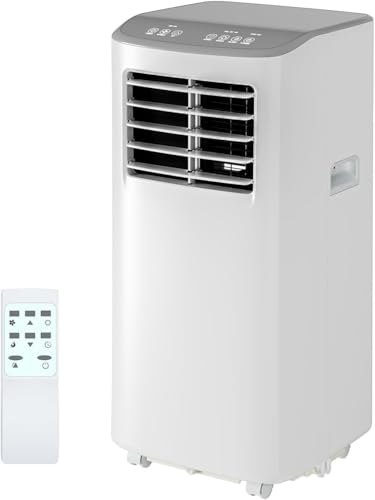
This 8,000 BTU unit offers cooling, a dehumidifier, and a fan, with a remote and a 24-hour timer. Its included window kit supports quick installation in a travel trailer window, which helps keep setup simple after a long day on the road. It’s a practical pick for travelers who want a versatile, plug-and-play solution.
Best for: Campers who want all-in-one comfort with simple setup and programmable cooling windows. It’s especially suitable for those who regularly switch between cooling intensity and humidity control.
Why selected: The 3-in-1 configuration covers typical trailer comfort needs across different climates, and the included window kit reduces the need for extra accessories.
Limitation: The unit’s performance is space-dependent; in unusually compact trailers, airflow might feel less intense than in a larger room.
GarveeTech Portable Air Conditioner

With 8,000 BTU of cooling, GarveeTech targets mid-sized spaces in travel setups. It provides a 3-in-1 experience—cool, dehumidify, and fan—designed to adapt to changing climates and comfort needs while traveling. The design emphasizes a straightforward installation that fits a range of window configurations typical in RVs or travel trailers.
Best for: Campers who want a dependable all-around unit that adapts to both hot and humid days and cooler nights, without needing a separate humidifier after purchase.
Why selected: The combination of three modes and adaptable window fit makes it a flexible choice for varying trailer layouts and locations.
Limitation: It may require a bit more space and a stable venting setup to maximize efficiency in tight trailer interiors.
Deller Portable Mini Air Conditioner

This compact, rechargeable mini AC unit targets personal cooling needs. It’s battery-powered and USB-rechargeable, making it convenient for tents or small spillover spaces in a trailer. It’s best used for targeted cooling rather than cooling an entire living area, especially in larger trailers or during peak heat days.
Best for: Solo travelers, camper beds, or small seating nooks where a portable, battery-powered breeze improves comfort without plugging into a power outlet.
Why selected: The rechargeable design adds flexibility for off-grid or campground setups where outlets are limited, which aligns well with some trailer camping scenarios.
Limitation: Its cooling capacity is limited, so it won’t replace a full-room air conditioner in larger trailer interiors.
WISHILO 3400 BTU Portable AC

This compact unit is designed for very small spaces, such as tents, small trucks, or compact travel trailers. It cools a smaller footprint efficiently and emphasizes portable use with a built-in cooling compressor and an adjustable venting approach. It’s a strong pick when space is your primary constraint.
Best for: Ultra-compact trailer setups, truck beds, or tent extensions where only a small area needs cooling, and power is limited.
Why selected: Its targeted coverage and emphasis on portability suit micro-spaces commonly found in travel trailer configurations.
Limitation: Coverage is limited to smaller areas; not suitable for larger trailer interiors or open-concept layouts.
Buying Guide: Key Considerations for Travel Trailer Use
- Measure your trailer’s square footage and choose BTU accordingly. A unit with too many BTUs can overcool small spaces and waste energy; too few will struggle in heat.
- Many portable ACs require venting through a window or vent panel. Check your trailer’s window size and install kit compatibility to avoid gaps.
- Consider whether you’ll be plugged into hookups or off-grid. Rechargeable and battery-assisted models provide flexibility for dry camping but typically offer less cooling capacity.
- Quiet operation matters for sleeping in a compact trailer. Look for dB ratings or user-reported noise impressions when choosing.
- In humid climates, a dehumidifier mode can improve comfort; in dry climates, cooling alone may suffice.
- Look for units with simple window kits, intuitive remotes, and easy-to-empty or alerting water containers if applicable.
- Heavier units may strain travel routes or storage spaces. Consider wheels and handle design for easier maneuvering around parking spots or campground sites.
- Check efficiency ratings where available. More efficient units reduce energy use and extend off-grid camping viability.
FAQ
- What size portable AC is best for a typical travel trailer? An 8,000 BTU unit often fits mid-sized trailers, while smaller trailers may benefit from compact or 4,000–6,000 BTU options. Choose based on your trailer’s floor area and insulation.
- Do I need a dedicated window kit for a travel trailer AC? Yes, most portable units vent through a window or wall panel. Confirm window kit compatibility with your trailer’s window type before purchasing.
- Can I use a portable AC unit while dry camping? Some units offer rechargeable operation or low-wattage modes. For off-grid use, prioritize battery-assisted or low-power models and plan for ventilation needs.
- Is dehumidification as effective as air conditioning in travel trailers? Dehumidification helps improve comfort when humidity is high. For humid climates, models with robust dehumidify options can reduce condensation and improve overall comfort.
- Will a more expensive unit always be better for a trailer? Not necessarily. The right unit depends on space, climate, power options, and installation flexibility. A mid-priced, well-reviewed unit often provides the best balance for trailers.
- How important is noise in a trailer? Very important. Look for units designed for quiet operation to avoid disrupting sleep or conversation in tight living spaces.