Plastic wrap for floors combines quick setup with strong protection for surfaces during painting, remodeling, or moving. This guide highlights five top options best suited for shielding floors, furniture, and carpets from dust, spills, and debris. Each pick targets different needs—large areas, paint protection, or temporary flooring coverage—so you can choose based on space, project type, and ease of use. The following selections are ideal for DIY projects, renters, and homeowners seeking reliable floor-safety solutions without special equipment.
Buyer snapshot: The top picks cover a range of scenarios—from large-area drop cloths for rooms and open spaces to self-adhesive carpet protectors for high-traffic areas. The table below compares core features to help you decide which product fits your project size, disposal preferences, and cleanup requirements.
| Product | Best For | Key Benefit | Approx Coverage |
|---|---|---|---|
| Axgatoxe 12 x 9 Ft Plastic Drop Cloths (6-Pack) | Large rooms, furniture protection | Very large coverage per sheet; quick setup | 108 sq ft per cloth, 6-pack |
| TapeManBlue Carpet Protection Film 36″ x 200′ (50 Mic) | Carpeted floors, long projects | Clean removal up to 45 days | Up to 600 sq ft |
| Tapix Painter’s Plastic Film, 9′ x 400′ (3600 sq ft) | General protection for floors and surfaces | Long roll for extended projects | 9′ x 400′ |
| TapeManBlue Carpet Protection Film 24″ x 200′ (50 Mic) | Smaller carpets, steady protection | Clean removal, heavy-duty | Up to 400 sq ft |
| Axgatoxe Plastic Drop Cloths, 9′ x 200′ (2 Rolls) | Medium-to-large areas, DIY projects | Versatile use beyond painting | 9′ x 200′ per roll |
Axgatoxe 12 x 9 Ft Plastic Drop Cloths

The 12 x 9 ft disposable plastic drop cloths cover large surface areas, making them well suited for painting rooms with multiple furniture pieces or open spaces. Best for homeowners tackling full-room painting or protecting delicate furniture from dust and debris. The 6-pack format ensures ample coverage for complex layouts. A potential limitation is the thickness; while the sheets are durable for light to moderate use, extremely rough work may require heavier-duty options.
Who it’s best for: DIYers painting rooms, renters protecting interiors during renovations, and anyone needing quick, broad coverage with easy cleanup.
TapeManBlue Carpet Protection Film 36″ x 200′ Roll

This high-capacity carpet protection film offers robust defense for carpets against dirt, foot traffic, paint spills, and construction debris. With a 36-inch width and 200-foot length, it covers substantial floor areas—up to approximately 600 square feet—making it ideal for remodels, move-ins, or any project that requires long-lasting floor guardians. The adhesive is designed for clean removal up to 45 days, reducing residue risk. A limitation is that adhesive still requires careful removal to avoid tearing delicate carpet fibers, especially on textured surfaces.
Who it’s best for: Home improvement crews, landlords, and homeowners completing long-duration renovations where carpet protection is essential and removal timing is flexible.
Tapix Painter’s Plastic Film, 9′ x 400′

This painter’s plastic film is designed for heavy-duty protection over large areas with a 9-foot width and a 400-foot length. It provides ample coverage (approximately 3600 square feet) for painting floors, protecting furniture and equipment, and serving as a temporary moisture barrier. The material is described as durable and versatile, suitable for indoor and outdoor use as a moisture shield. A potential drawback is that thicker plastic can be less convenient to handle on smaller projects, requiring more planning to cut and lay out effectively.
Who it’s best for: Projects with lengthy coverage needs, including room-wide painting, furniture protection before heavy-duty works, and use as a temporary barrier for moisture-sensitive setups.
TapeManBlue Carpet Protection Film 24″ x 200′ Roll

This 24-inch-wide carpet protection film provides a balanced option for smaller rooms or spaces with high foot traffic. It protects against dirt, spills, and debris while remaining easy to remove within a practical timeframe. The film’s durability is highlighted, but users should be aware that very long projects may require additional rolls to achieve full coverage without seams, particularly in larger living areas.
Who it’s best for: Smaller spaces, apartments, and quick-turnaround projects where carpet protection needs to be predictable, clean removal is valued, and budget considerations favor smaller widths.
Axgatoxe Plastic Drop Cloths, 9′ x 200′ (2 Rolls)
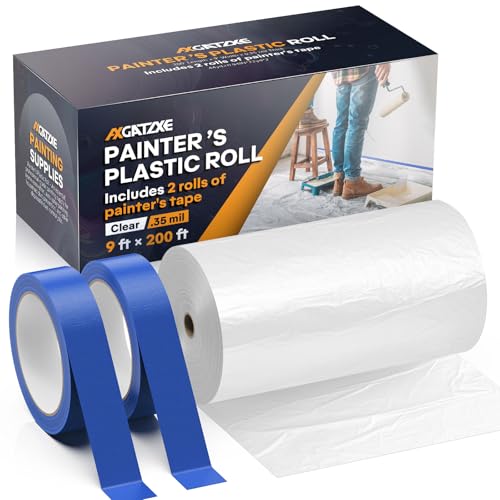
Two rolls of 9 x 200 ft plastic drop cloths offer substantial coverage for mid-sized projects. The sheets are described as versatile for protecting floors, furniture, carpets, cars, and more. They also function as temporary rain guards or dust barriers for both indoor and outdoor applications. A limitation to note is that roll format, while convenient, may require extra cutting for awkward shapes and tight spots. This option is best for broader protection without needing very thick film.
Tapix Plastic Sheeting (10′ x 25′) 6 Mil

A heavier-duty option, this 6-mil plastic sheeting provides reliable protection for floors and surfaces during construction, painting, and general home improvement. It’s suitable as a durable floor cover and as a temporary enclosure mister for plants or other items that require moisture and dust barriers. The heavier gauge reduces tearing risk, but it may be stiffer to handle in very tight spaces compared with thinner drop cloths.
Buying Guide: How to Choose the Right Floor-Protecting Plastic Wrap
What coverage do you need?
Measure the area you intend to cover and estimate the total square footage. For large rooms or open layouts, opt for wider sheets or longer rolls to reduce seams and gaps. If you’re protecting carpets or floors with heavy foot traffic, consider heavy-duty film or thicker drop cloths to minimize punctures.
Is adhesive important for your project?
Self-adhesive carpet protection films stay in place longer, which is helpful for long renovations. If you plan to remove the protectant within days, look for films marketed with clean removal. Tape-resistant tapes and films can reduce residue on delicate surfaces.
What surfaces will you cover?
Carpets, wooden floors, tiles, and furniture each respond differently to plastic protection. Drop cloths with larger dimensions are ideal for floors and furniture, while rolls designed for carpets work best to shield high-traffic areas without slipping.
Ease of use and cleanup
Roll formats and pre-cut sheets simplify setup and disposal. If you value quick setup, seek products advertised as easy to unfold and lay flat. For cleanup, consider products that are disposable or recyclable to minimize post-project waste.
Durability vs. flexibility
Thicker films (6 mil or more) resist tearing and puncturing, suitable for rough work or outdoor use. Lighter drops cloths offer flexibility and easier folding, which helps when working around furniture or irregular shapes.
Safety considerations
Avoid sharp edges that could puncture the film. Keep the work area well-ventilated if using films near heat or open flames, and follow disposal guidelines to minimize environmental impact.
Summary of recommended options
- Best for large-room painting: Axgatoxe 12 x 9 Ft Plastic Drop Cloths (6-Pack)
- Best for carpet protection with long-term placement: TapeManBlue Carpet Protection Film 36″ x 200′
- Best for long, uninterrupted painting projects: Tapix Painter’s Plastic Film, 9′ x 400′
- Best for smaller spaces with strong cleanup: TapeManBlue Carpet Protection Film 24″ x 200′
- Best value for mid-size coverage: Axgatoxe Plastic Drop Cloths, 9′ x 200′ (2 Rolls)
FAQ
- Q: Can these plastic wraps protect against paint spills?
- Q: How long can adhesive carpet protectors stay in place?
- Q: Are these products reusable?
- Q: What is the best option for a quick-room cover?
- Q: Do these products protect against moisture?
- Q: How should I dispose of used plastic drop cloths?
A: Yes. Many of these products are designed to shield floors and furniture from paint spills and splatters, with thicker films offering more resistance to tears.
A: Some films allow removal up to 45 days after application, which helps during extended renovations without leaving residue.
A: Most are intended for disposal after a project. Some thicker films or drop cloths may be reused if they remain clean and undamaged, but check the manufacturer guidance.
A: Large drop cloths or multi-pack rolls that unfold quickly provide the fastest coverage, especially when protecting several furniture pieces at once.
A: Several items can act as moisture barriers, particularly heavy-duty films and painter’s plastics, which helps when protecting plants or during outdoor work.
A: Many are disposable; wrap them in a bag and discard with household waste. If local regulations permit, consider recycling options for plastic films where available.