Choosing a pellet stove for a small home involves balancing heat output, efficiency, and controllability with space constraints. The right unit can deliver steady warmth, lower energy bills, and convenient operation without overwhelming a compact living space. Below are five well-regarded models that align with typical small-house needs, along with a practical buying guide to help you compare features, performance, and installation considerations.
| Product | Brand | Approx. Heating Area | Notable Feature |
|---|---|---|---|
| Castle Serenity Pellet Stove | Castle Pellet Stoves | Up to 1,500 sq ft | Easy clean design, multiple operating modes |
| Medium Pellet Stove – 60lb Hopper | Cleveland Iron Works | 1,500–2,200 sq ft | Built-in WiFi, large hopper |
| Freedom Stoves Independence PS21 | Pellethead | Up to 1,800 sq ft | Battery backup, Wi‑Fi, remote control |
| Freedom Stove PS21 Red | Pellethead | Up to 1,800 sq ft | Wi‑Fi, touchscreen, advanced controls |
| Comfortbilt HP22 | Comfortbilt | Up to 2,800 sq ft | EPA certified, large viewing area |
These options cover a range of needs, from compact apartments to small houses seeking substantial warmth with modern controls. Each model emphasizes safe venting, efficient fuel use, and user-friendly operation, while offering features like Wi‑Fi connectivity, battery backups, and easy maintenance to fit a small home’s lifestyle.
Castle Serenity Pellet Stove
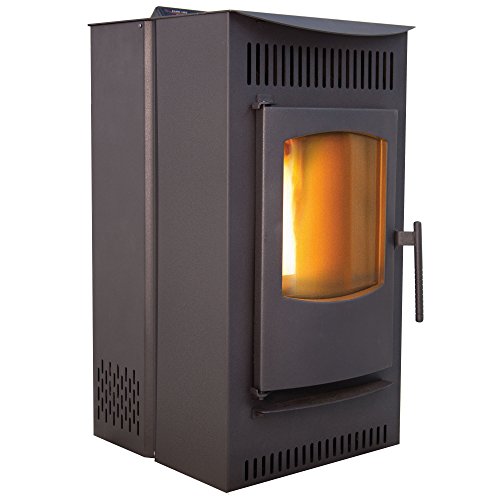
The Castle Serenity Pellet Stove offers easy cleaning with a straightforward design that minimizes entrenched tubes and hidden chambers. It features manual, thermostat, weekly, and Eco operating modes to align heat output with a schedule or occupancy patterns. The Eco mode helps regulate temperature by toggling the stove on and off to sustain comfort while conserving fuel, making it suitable for steady warmth in small-to-midsize living spaces. Its 1,500 sq ft heating capability covers typical compact homes, and the simple control scheme reduces maintenance demands while maintaining reliable performance.
Key considerations for this model include its clean-lined interior with a focus on user-friendly operation and predictable heat delivery. For homeowners prioritizing a straightforward setup and predictable daily use, the Serenity delivers with minimal fuss. Potential buyers should verify venting compatibility and clearance requirements in their space to ensure a safe, efficient installation.
Medium Pellet Stove – 60lb Hopper

This model from Cleveland Iron Works focuses on capacity and connectivity. It heats an expansive range, from 1,500 to 2,200 sq ft, making it adaptable for small houses that occasionally undergo temperature swings or want extra reserve heat on very cold days. A built-in WiFi system enables smart home integration, allowing scheduling, monitoring, and adjustments without approaching the stove—an important convenience for busy households or spaces with strict thermostat control.
The 60 lb hopper reduces refueling frequency, supporting longer burn times between fills. For a small residence with limited storage or a preference for less frequent maintenance, this feature is especially valuable. Prospective buyers should ensure adequate space for hopper access and consider their preferred heat profiles to maximize efficiency and comfort in different rooms and seasons.
Freedom Stoves Independence PS21

The Freedom Stoves Independence PS21 is designed for versatility and resilience. It offers heating up to 1,800 sq ft with a high-efficiency stacked tube heat exchanger, improving thermal performance and producing a comfortable, even warmth across living spaces. A built-in battery backup delivers power during outages—an important feature for areas prone to storms or outages, helping maintain heat when the grid is unstable.
Control options include Wi‑Fi connectivity, a touchscreen interface, and a remote, enabling precise temperature management and scheduling from anywhere. This makes it a compelling choice for households that value modern automation and remote monitoring in a compact footprint. Installers should plan for appropriate electrical and venting requirements and verify local codes before purchasing.
Freedom Stove PS21 Red

Another variant from Pellethead, the PS21 Red emphasizes the same robust performance and smart features as its sibling. It heats up to 1,800 sq ft and leverages a modern control ecosystem that includes a touchscreen interface, Wi‑Fi connectivity, and remote control. The device is designed to be user-friendly, with an emphasis on convenience and adaptability in smaller homes that still want substantial heating capacity.
Considerations for this model include its aesthetic options and the ease with which users can tailor schedules and heat output to varying occupancy and room layouts. Like other PS21 variants, ensuring proper clearances, venting configuration, and installation support will help optimize performance and safety in compact living arrangements.
Comfortbilt HP22 Pellet Stove
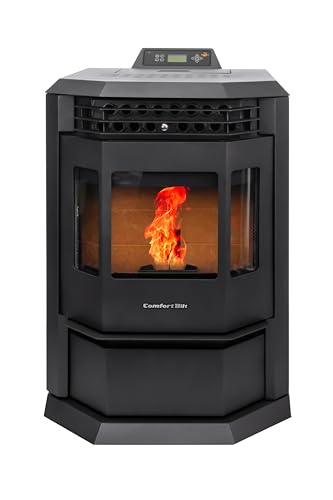
The Comfortbilt HP22 is a larger-capacity option designed for bigger small houses or homes with higher heat demands. It heats up to 2,800 sq ft and carries EPA certification, signaling adherence to emission and efficiency standards. A large viewing area in a bay-style design enhances the aesthetic appeal while delivering impressive heat distribution. While substantial, the HP22 requires adequate space, proper venting, and appropriate clearances—factors to consider if you’re balancing interior design with performance needs in a smaller home.
From a maintenance standpoint, the HP22’s design emphasizes ease of cleaning and consistent airflow with a powerful blower. For households seeking strong heat output without stepping up to a full-sized central system, this unit provides a robust balance of performance and practicality. Prospective buyers should evaluate installation space and ensure the system will integrate smoothly with existing or planned venting configurations.
Buying Guide: Key Purchase Considerations For Small Homes
- Heat Area and Sizing: Determine the intended coverage area (sq ft) and choose a stove whose output aligns with peak winter conditions in your locale. In smaller homes, a unit that can maintain steady warmth with efficient burn times often performs better than a higher BTU model that runs hot or overshoots needs.
- Fuel Efficiency and Hopper Capacity: Look for models with larger hopper capacities for longer burn times between refills, especially if you want to minimize maintenance. Consider whether you prefer automatic feeding and how fuel price stability may affect ongoing costs.
- Ventilation and Installation: Pellet stoves require proper venting and clearance from walls, ceilings, and combustibles. Confirm ceiling height, wall material, and existing chimney or venting options. Some units are simpler to install in apartments or small rooms, while others fit better into dedicated living areas.
- Controls and Connectivity: Wi‑Fi, mobile apps, and touchscreen controls provide convenience for scheduling and remote monitoring. Battery backup is valuable for regions prone to outages; evaluate how critical continuous heat is to your household during storms or power failures.
- Certifications and Emissions: EPA certification signals efficiency and lower emissions, which matter for indoor air quality and compliance with local regulations. Options with lower emissions are generally preferable for small spaces where air circulation is limited.
- Maintenance and Access: Choose models with straightforward cleaning routines and accessible parts. Easy access for ash removal and periodic maintenance reduces downtime and helps sustain performance over time.
- Durability and Build Quality: Steel construction, robust door seals, and quality gaskets contribute to longevity in everyday use. For compact homes, reliability and low maintenance are key considerations to minimize disruption and additional costs.
- Noise Levels and Comfort: A quiet operating stove improves comfort in compact spaces. Compare blower speeds and insulation around the firebox to gauge noise impact during night-time use or in open-plan layouts.
In assessing these models, consider your climate, how you use spaces (open-plan versus segmented rooms), and your preferred level of home automation. A smaller home often benefits from precise temperature control and reliable outage resilience, so prioritizing battery backup options and smart controls can enhance overall comfort and energy efficiency.