Yes, peel and stick cabinet veneer is the fast, mess-free way to refresh cabinets, drawers, and furniture. This article highlights top options ideal for various projects—from quick kitchen updates to DIY furniture restorations. The best picks below are suited for different surface shapes, budgets, and skill levels, helping you choose the right veneer for your needs. Whether you’re a weekend crafter or a homeowner seeking a durable upgrade, these products offer reliable adhesion, realistic wood grain, and straightforward application.
Buyer overview: The following table summarizes five vetted veneers that balance realism with ease of use. Consider surface type, whether you need a larger sheet for cabinets, and the level of bending or curvature you anticipate. The list targets common cabinet and furniture restoration tasks, with focus on self-adhesive, ready-to-use sheets.
| Product | Sheet Size | Best For | Key Benefit | Potential Limitation |
|---|---|---|---|---|
| Edge Supply Red Oak | 24 x 96 inches | Large cabinet fronts and flat surfaces | A-grade realism with easy peel-and-stick backing | Long sheet may require careful handling on curved areas |
| Edge Supply Mahogany | 24 x 48 inches | Smaller panels and drawers | Smooth finish with strong adhesive backing | Smaller size may require seams on larger projects |
| Edge Supply Walnut | 24 x 48 inches | Rich wood appearance on mid-sized pieces | Versatile and bendable for gentle curves | Color variance between lots possible |
| Wood-All Maple | 24 x 96 inches | Flat surfaces and restoration base | Plain sliced texture for clean, classic look | Natural wood variation between sheets |
| Sevalo Wood Contact Paper | 17.7 x 118 inches | Countertops, cabinets, drawers with flexible installation | Removable and bubble-free for easy repositioning | Limited thickness may affect heavy-use areas |
Edge Supply Red Oak Peel and Stick Veneer
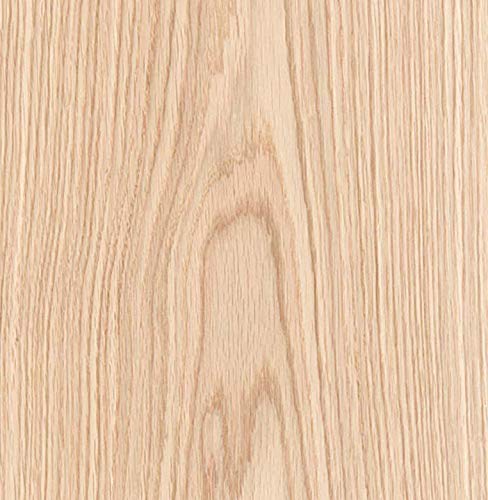
Product: Edge Supply Red Oak 24 x 96-inch Flat Cut Peel and Stick Wood Veneer Sheet. Real A-grade wood with a smooth finish and a self-adhesive backing for quick application. This sheet is ideal for cabinet restoration projects that require a substantial surface area. Best for homeowners tackling larger panels or full-face cabinet updates. The veneer is designed to flex for curved surfaces, though long sheets can be challenging to maneuver on tight bends. Choose this if you want a warm red oak look with strong adhesion and a broad, flat application area.
Edge Supply Mahogany Peel and Stick Veneer

Product: Edge Supply Mahogany 24 x 48-inch Flat Cut Peel and Stick Wood Veneer Sheet. An A-grade option with a smooth finish, designed for furniture restoration and smaller cabinetry projects. This sheet is well-suited for mid-sized panels and areas where tighter cuts are needed. Best for users who want a classic mahogany appearance without the mess of glue. A limitation is the smaller sheet size, which may require joins on larger cabinets or multiple pieces to cover an entire surface.
Edge Supply Walnut Peel and Stick Veneer

Product: Edge Supply Walnut 24 x 48-inch Flat Cut Peel and Stick Wood Veneer Sheet. A versatile option with attractive walnut grain, suitable for cabinet faces and furniture accents. The sheet’s bendability supports light curves, making it better for shallow contours than extreme bends. Best for achieving a darker, natural walnut look with straightforward application. Be mindful that wood grain color can vary between batches, affecting uniformity across larger projects.
Wood-All Maple Wood Veneer Sheet

Product: Wood-All Maple Wood Veneer Sheet, Plain Sliced/Flat Cut, 24×96, A Grade, 10 mil Peel and Stick PSA Backer. Unfinished and ready for stain and finish. This veneer offers stable grain with natural variation. Best for restoration projects where a classic maple look is desired, especially on flat surfaces. The choice is better for users who want to customize color with stain. Limitation: natural wood variation means not every sheet will match perfectly with others in a larger project.
Sevalo Wood Contact Paper Oak

Product: Sevalo Wood Contact Paper Wood Peel and Stick Wallpaper in Oak Natural. A removable, bubble-free vinyl option that mimics oak wood grain. Suitable for cabinets, drawers, and countertops where a quick makeover is desired. Best for renters or temporary updates due to its easy removal. A caution is to ensure surfaces are clean and dry before application to avoid air bubbles or lifting over time.
Buying Guide: Key Considerations For Peel And Stick Cabinet Veneer
What surface types work best with peel and stick veneer?
Flat, smooth surfaces—such as cabinet doors, drawer fronts, and table tops—adhere most reliably. Slightly curved panels can work with flexible sheets, but complex curves may require additional trimming or joints. Prepare the surface by cleaning and drying; contaminants can reduce adhesion or cause peeling later.
How to choose sheet size and grain type?
For large cabinet fronts, longer sheets like 24 x 96 inches reduce seam lines and create a seamless look. For detailed areas or drawers, 24 x 48 inch sheets offer easier handling and precise cuts. Realistic grain patterns (oak, mahogany, walnut, maple) give distinct looks. Consider whether you want a high-contrast grain or a subtler appearance to match existing décor.
What about durability and maintenance?
Self-adhesive veneers are designed for everyday use on furniture and cabinetry. They respond well to light cleaning and gentle nicks can usually be sanded and re-stained. Removable options exist for renters or temporary upgrades, but they may not hold up as long under heavy use. Always test on a small area first if possible.
Which product is best for curved surfaces?
Look for veneers described as bendable or flexible. Some Edge Supply options emphasize easy bending to fit curved surfaces, while others are optimized for flat panels. If your project includes rounded edges, select a sheet with documented flex capability and plan for careful heat or pressure during application.
How should I handle color consistency across sheets?
Natural wood veneer can vary from batch to batch. When covering a large area, order extra sheets to mix and blend. If possible, select veneers from the same lot or source to minimize color variance. For high-contrast projects, consider using a uniform color stain after installation.
What is the best application method?
Typical steps include cleaning the surface, cutting veneer to size with a box knife, peeling back the adhesive backing, and smoothing with a scraper or wooden block to avoid air bubbles. Use a heat gun sparingly on curves to increase pliability but avoid overheating. Finish with a light sand and optional sealant if required by the project.
Are there any common cautionary notes?
Adhesive may not bond well to dusty or oily surfaces. Some veneers require precise alignment to avoid visible seams. Large sheets can be unwieldy; work with a helper or secure the sheet before trimming to avoid tearing. Always follow manufacturer guidelines for best results.
FAQ
- Q: Can peel and stick veneer be used on cabinets with curved doors?
A: Yes, if the veneer is described as bendable or flexible; plan the application carefully and work slowly to prevent lifting. - Q: Do I need glue when using peel and stick veneer?
A: No, these sheets are designed to adhere directly via their self-adhesive backing, though some projects may benefit from a light sealing or finishing layer. - Q: Will the veneer last outdoors or in high-moisture areas?
A: Peel and stick veneers are generally for indoor use; exposure to moisture can degrade adhesive and finish. Use only in dry, indoor environments unless specified otherwise. - Q: How many sheets should I buy for a full cabinet refresh?
A: Plan for extra sheets to account for cuts and waste. Matching color and grain is easier when you have additional sheets from the same batch. - Q: Can I remove the veneer without damaging the surface underneath?
A: Many removable options allow cleanup without residue; heating with a hair dryer can loosen the adhesive for easier removal. Some surfaces may still require refinishing afterward. - Q: Is it better to stain before or after applying veneer?
A: Staining after adhesion is common; it helps achieve a consistent color. Follow the product’s guidance for best results.