If you’re shopping for a 50-gallon water heater and specifically want an oil-fired option, this guide highlights the top choices and clear alternatives. Oil-fired models are best for homes with higher hot-water demand and limited gas or electric options. The list below includes two oil-fired 50-gallon models and three high-capacity electric or gas alternatives to help you compare installation needs, efficiency, and maintenance. The target buyer: homeowners upgrading a large household, builders installing in oil-dependent regions, or property managers seeking reliable hot water for 3–5 bathrooms.
Summary table of selected products
| Product | Fuel Type | Capacity | Key Advantage | Best For |
|---|---|---|---|---|
| A. O. Smith COF-245S | Oil Fired | 50 gal | Barometric draft regulator, robust oil system | Oil-fueled commercial/home use |
| A. O. Smith COF-315S | Oil Fired | 50 gal | Strong features for oil-fired operation | Medium-to-large oil installations |
| Rheem PROE50 M2 RH95 | Electric | 50 gal | Tall model with efficient electric heat | Electric-only homes or upgrades |
| Senville 50 Gallon Hybrid | Hybrid Electric | 50 gal | High efficiency with heat-pump tech | Energy savings with electric supply |
| MRCOOL 50 Gallon Electric | Electric | 50 gal | Fast recovery with dual elements | Electric-dedicated homes |
A. O. Smith COF-245S Oil Fired 50-Gallon

The COF-245S is an oil-fired tank-style heater designed for commercial or residential use with a 50-gallon capacity. It features a barometric draft regulator, a single-stage oil pump, and a handhole cleanout for maintenance access. This model is best for oil-based heating systems where a reliable, large-capacity unit is required. Choose this if your property relies on oil delivery and you need a robust, long-lasting oil-fired solution.
Best for: homes or facilities already configured for oil furnaces, needing dependable 50-gallon output. Limitations: oil-fired units require regular maintenance of the oil system and venting considerations.
A. O. Smith COF-315S Oil Fired 50-Gallon

The COF-315S is a higher-capacity oil-fired model designed for demanding environments. It includes similar core features to the 245S—barometric draft regulation, oil pump, and cleanout—while supporting larger volume needs. It’s a solid pick for properties with steady hot-water demand and oil delivery setups that require durable performance.
Best for: larger oil-fired installations needing consistent 50-gallon output. Limitations: size and installation complexity may require professional service planning.
Rheem PROE50 M2 RH95 50-Gallon Electric

The Rheem PROE50 M2 is a 50-gallon electric water heater with an 18.75-amp setup and automatic thermostat. It is designed to provide ample hot water for households with multiple bathrooms and higher daily usage. This model is best for electric-dedicated homes or upgrades from older electric tanks, offering straightforward installation and reliable performance.
Best for: homes with electric service and higher hot-water demand. Limitation: uses electricity exclusively, which may affect energy costs depending on utility rates.
Senville 50 Gallon Hybrid Heat Pump Electric
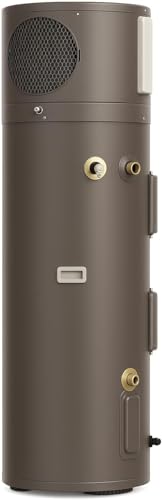
The Senville hybrid 50-gallon water heater uses heat pump technology to extract heat from the surrounding air, delivering water heating with up to 70% electricity savings versus standard electric models. It carries a 3.75 UEF and 69-gallon first-hour rating, making it a strong choice for energy-conscious households seeking high efficiency without sacrificing capacity.
Best for: energy savings in electric-powered homes. Limitation: performance can depend on ambient temperatures and installation location.
MRCOOL 50 Gallon Electric Water Heater

The MRCOOL 50-gallon electric water heater features dual 4500W elements for fast recovery and reliable hot water across daily activities. It is an efficient electric option suitable for households requiring steady supply with quick refill between uses. This model is best for homes with adequate electrical capacity and a need for quick reheating after peak usage.
Best for: busy households that want fast recovery in an electric system. Limitation: electric-only operation may result in higher energy costs in certain markets.
Buying Guide: Oil-Fired vs. Alternatives for a 50-Gallon System
What are the main differences between oil-fired and electric 50-gallon heaters?
Oil-fired units use heating oil and require venting and regular maintenance of the oil system. Electric models run on electricity and are typically easier to install in homes with existing electrical infrastructure but may incur higher energy costs depending on local rates. Hybrid electric options blend heat pump efficiency with electric resistance for optimized energy use. Consider your local fuel availability, installation space, and expected hot-water demand when choosing between these options.
What should I consider when choosing capacity and recovery?
53–70 gallons per hour (GPH) first-hour rating often indicates how much hot water is available in the first hour after a cold start. For families of 3–4 with moderate to high daily use, a robust 50-gallon model with a strong first-hour rating helps avoid running out of hot water during peak periods. If you have larger homes or more bathrooms, ensure the unit’s recovery rate matches your peak demand.
Which maintenance factors matter most for oil-fired models?
Look for accessible cleanouts and serviceable burners, a reliable draft regulator, and ease of regular oil filter changes. Oil systems require routine inspection of the venting and air supply to maintain safe operation and efficiency. Availability of local service technicians is also a practical consideration.
How important is energy efficiency for 50-gallon systems?
Efficiency metrics like UEF (Uniform Energy Factor) are key. Higher UEF indicates less energy use for heating water. Hybrid models offer significant savings by using ambient heat from the air, while standard electric models depend on electricity costs and usage patterns. For oil-fired models, efficiency also depends on the burner and regulator quality.
What installation considerations should buyers plan for?
Oil-fired heaters require proper ventilation, adequate clearance, and fuel storage considerations. Electric and hybrid heaters need proper electrical capacity and, for some models, venting is not required. Confirm local codes and whether a professional installation is necessary for safe operation and warranty compliance.
Choosing the right product for your scenario
- Oil-fired options are ideal for homes with existing oil infrastructure or in regions where oil is a reliable fuel source.
- Electric and hybrid options suit environments with strong electrical service and a focus on energy efficiency.
- Consider space, installation complexity, and long-term operating costs alongside upfront equipment costs.
Frequently Asked Questions
- What is the advantage of a 50-gallon water heater?
- Do oil-fired heaters require venting?
- Which model offers the best efficiency for a large household?
- Can I switch from oil-fired to electric later?
- What maintenance is needed for a commercial oil-fired unit?
- Is a hybrid water heater worth it for a typical family?
FAQ Answers
- A 50-gallon unit provides a substantial supply for households with multiple daily tasks and several bathrooms, reducing the risk of running out of hot water.
- Oil-fired heaters generally require venting and proper exhaust management to operate safely and legally.
- Hybrid electric models can offer significant energy savings, especially in homes with favorable ambient temperatures and efficient insulation.
- Switching from oil-fired to electric later is possible but involves electrical upgrades and different installation considerations; consult a professional.
- Oil-fired units require periodic inspections of the burner, pump, and venting, along with annual fuel system checks.
- Hybrid models can provide notable energy savings if the home is well-insulated and the climate supports efficient heat pump operation.