Choosing a non-toxic Dutch oven means prioritizing cookware that protects health without sacrificing flavor or performance. Cast iron offers exceptional heat retention, while enamel coatings reduce reactive interactions with acidic foods. For households seeking chemical-free options, enamel-coated cast iron and ceramic designs provide dependable cooking with easier cleanup. This guide spotlights five top picks that balance safety, durability, and versatility, helping you braise, bake, and simmer with confidence in American kitchens.
| Product | Brand | Capacity | Non-Toxic Features | Best For |
|---|---|---|---|---|
| Lodge 7-Quart Cast Iron Dutch Oven | Lodge | 7 qt | PFAS-Free, PFOA-Free, PTFE-Free; self-basting lid | Everyday family meals |
| Lodge 6 Quart Enameled Cast Iron Dutch Oven with Lid | Lodge | 6 qt | PFAS-Free & Non-Toxic; porcelain enamel interior | Easy-clean cooking |
| Overmont Enameled Cast Iron Dutch Oven – 5.5QT | Overmont | 5.5 qt | Enamel coating; durable, heat-retentive | Stews, braises, roasts |
| Umite Chef Enameled Cast Iron Dutch Oven – 5QT | Umite Chef | 5 qt | PFAS/PFOA/PTFE-free enamel; tight-lid moisture lock | Sauces, braises, breads |
| Caraway 6.5 Quart Nonstick Ceramic Dutch Oven | Caraway | 6.5 qt | PTFE & PFOA Free; naturally non-stick ceramic surface | Low-oil cooking; simple cleanup |
Lodge 7-Quart Cast Iron Dutch Oven
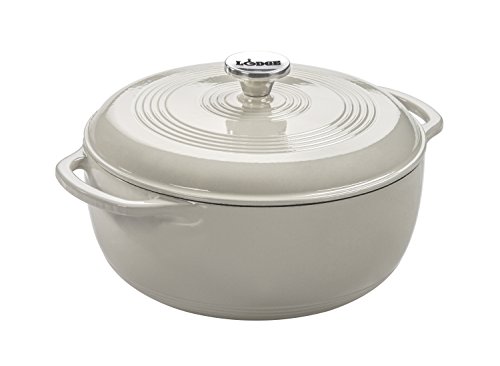
Lodge’s 7-quart model delivers dependable heat retention and a rugged build. It is PFAS-free, PFOA-free, and PTFE-free, offering a chemical-free surface that improves with use as it seasons. A self-basting lid helps keep moisture circulating, enhancing tenderness for long braises and chunky stews. Dual-loop handles simplify transferring hot cookware from oven to table. The pot is compatible with gas, electric, and induction surfaces and is designed for oven use, delivering even browning and resilient performance over years of cooking.
Ideal for family-sized recipes, this Dutch oven excels at braising tough cuts, slow-cooking soups, and baking bread right in the pot. While it requires seasoning over time, the seasoned surface develops a natural nonstick profile that benefits every cuisine. For durability and value, it remains a reliable staple in American kitchens, balancing safety with long-term utility.
Lodge 6 Quart Enameled Cast Iron Dutch Oven with Lid
This Lodge enameled Dutch oven uses a durable porcelain enamel coating that resists rust and staining, simplifying cleanup. The cookware remains PFAS-free and non-toxic thanks to its enamel surface, which eliminates direct iron contact with food. It’s oven-safe up to 500°F and induction-compatible, enabling seamless transitions from stovetop to oven. The interior enamel promotes even browning and easy food release, while dishwasher-safe design keeps maintenance straightforward, though handwashing is recommended for longevity. The lid provides a snug seal to minimize moisture loss during simmering.
With its classic round silhouette and sturdy handles, this model supports daily tasks from simmering sauces to baking bread. The enamel interior reduces sticking and makes cleanup easier, especially after tomato-based dishes. While heavier than modern nonstick pots, it offers unrivaled heat retention and a long lifespan, making it a practical, long-term investment for cooks who value safety and performance in one durable package.
Overmont Enameled Cast Iron Dutch Oven – 5.5QT

Overmont’s 5.5-quart enameled Dutch oven emphasizes precise heat distribution and moisture retention. The enamel finish helps lock in flavors while resisting staining and sticking, making it easier to manage sauces, stews, and braises. The lid design encourages condensation and even distribution of moisture back into the dish, reducing dryness and improving juiciness. It’s induction-ready and oven-safe up to high temperatures, supporting a wide range of culinary techniques—from simmering delicate soups to finishing roasts in the oven. The sturdy build promises longevity with regular use.
Durability and versatility define this option. It handles slow cooking on the stove, transitions to the oven for finishing, and is suitable for bread baking in some recipes. Cleaning is straightforward due to the non-reactive enamel surface, and maintenance is simple with routine care. For cooks seeking reliable, mid-sized capacity with safer materials, this Overmont model provides solid value and performance.
Umite Chef Enameled Cast Iron Dutch Oven – 5QT

This Umite Chef 5-quart enameled Dutch oven combines heavy-duty construction with a moisture-preserving lid. Its interior raised condensation nodes promote even condensation, returning flavorful droplets to the dish to keep ingredients juicy and balanced. The design supports slow braising, searing, and baking, while the enamel coating offers durability and easy cleaning. It’s safe for high-heat cooking and is compatible with induction as well as oven use up to 500°F. A cautionary note advises natural cooling before cleaning to prevent enamel damage.
From stews to bread baking, this pot is built for versatile kitchen use. The heat-retaining cast iron, paired with a sealed lid, helps you lock in moisture and nutrients. The cream-white exterior adds a classic touch, and the non-reactive enamel reduces flavor transfer between dishes. Regular maintenance—hand washing and careful handling of the enamel—helps extend the life of this non-toxic option.
Caraway 6.5 Quart Nonstick Ceramic Dutch Oven

Caraway’s 6.5-quart nonstick ceramic Dutch oven combines a modern, toxin-free design with a lightweight feel compared to traditional cast iron. The surface is PTFE- and PFOA-free, delivering natural nonstick performance that requires less oil and easier cleanup. It is compatible with all stovetops, including induction, and is oven-safe up to 500°F. The Sage color adds a vibrant, contemporary look to the kitchen. While not cast iron, the ceramic body provides excellent heat distribution and a straightforward maintenance routine for everyday meals.
The Caraway model prioritizes health-conscious cooking without sacrificing convenience. Its nonstick ceramic surface reduces sticking and makes removal of baked-on sauces simpler. This option is ideal for cooks who prefer lighter cookware with an easy-care approach while still offering the ability to bake, braise, and roast. Regular care—avoiding metal utensils on the surface and cleaning with mild soap—helps maintain the non-toxic finish over time.
Buying Guide
Key purchase considerations help you choose between enamel-coated cast iron, bare cast iron, and ceramic options. Safety first means prioritizing PFAS-free, PFOA-free, and PTFE-free surfaces, whether you choose enamel or ceramic coatings.
- Material and non-toxic claims: Enamel-coated cast iron and ceramic options typically avoid reactive metals and synthetic coatings. Look for explicit PFAS/PFOA/PTFE-free claims and certifications when possible.
- Capacity and cooking style: Larger sizes (5–7 qt) suit family meals, stews, and bread baking, while 3–5 qt pots suit weeknight sauces and smaller portions. Consider your stove size and storage space.
- Heat retention and distribution: Bare cast iron excels at heat retention; enamel and ceramic designs offer easier cleanup and non-reactive surfaces. Enamel interiors promote even browning and reduce sticking.
- Induction and oven compatibility: Most modern Dutch ovens support induction. Check oven safety (often up to 500°F) to determine if you’ll finish dishes in the oven after stovetop prep.
- Lid design and moisture control: Self-basting or condensation-enhancing lids help keep moisture in and flavors integrated. Tight-sealing lids minimize boil-overs and preserve tenderness.
- Maintenance and care: Bare cast iron requires seasoning and careful cleaning to prevent rust; enamel-coated and ceramic pots are easier to maintain but can chip if mishandled. Dishwasher compatibility varies by model; handwashing is typically recommended for longevity.
- Durability and warranty: Enamel coatings can chip with heavy use or impact; look for warranties that cover coating integrity and structural durability for peace of mind.
- Price vs. value: Higher-end enamel and ceramic options offer longevity and safer non-toxic surfaces, but a well-seasoned cast iron piece can also provide durable performance for many years.
To summarize, your best choice depends on priorities like ease of cleaning, desired cooking methods, and the emphasis on non-toxic coatings. A heavy, well-sealed cast iron oven provides unmatched heat retention for braises and bread, while enamel-coated and ceramic models offer lower maintenance and safer surfaces for daily cooking. The five selections presented here cover a spectrum—from traditional, USA-made cast iron to modern nonstick ceramic—allowing American home cooks to select a safe, high-performance Dutch oven that fits their kitchen and culinary style.