For coffee lovers who prioritize clean, toxin-free kitchen gear, choosing a coffee maker built from safe materials is essential. The lineup below emphasizes durable stainless steel, borosilicate glass, and BPA-free components, reducing exposure to questionable plastics and metals. Each option delivers reliable performance, whether you brew a single cup or a full carafe, while keeping toxins out of your daily cup. The selections focus on non-toxic construction, ease of cleaning, and long-term durability without sacrificing flavor or convenience.
The following at-a-glance table highlights five top picks that combine non-toxic materials with strong brew quality and practical features. Use it as a quick reference when comparing core benefits like material safety, capacity, and ease of maintenance.
| Product | Brand | Non-Toxic Materials | Key Benefit |
|---|---|---|---|
| COLETTI Bozeman Percolator Coffee Pot | COLETTI | Stainless steel, glass top | No aluminum or plastic; rugged outdoors design |
| MuellerLiving French Press 34oz | Mueller | Stainless steel, double-wall insulation | Rust-free, preserves temperature |
| QUQIYSO 304 Stainless French Press 21 Oz | QUQIYSO | 304 stainless steel, BPA-free | High filtration and versatile use |
| COSORI Pour Over With Stainless Filter | COSORI | Stainless steel filter, borosilicate glass | Non-toxic construction with reusable filter |
| Cuisinart 14-Cup Programmable Coffee Maker | Cuisinart | Stainless steel housing (carafe), BPA-free components | Programmable, brew-strength options |
COLETTI Bozeman Percolator Coffee Pot

The COLETTI Bozeman Percolator emphasizes toxin-free material construction. Crafted from pure stainless steel with no plastic or aluminum, it delivers bold, full-flavored coffee. A glass view top lets you monitor extraction, ensuring you avoid over-extraction while enjoying a traditional stovetop brewing ritual. This pot is designed for outdoor adventures as well as home kitchens, offering durability and straightforward cleaning. Included filters help achieve a smooth cup, and the absence of aluminum or plastic reduces concerns about unwanted substances migrating into your brew.
Designed for camp-like reliability, the Bozeman is built to endure the elements while delivering a robust flavor profile. Its stovetop compatibility makes it a versatile choice for travel, cabins, and kitchens alike. Clean-up is simpler when you opt for the dishwasher-safe components at home, keeping maintenance minimal after outdoor use. If you prefer a coffee maker that avoids plastics and heavy metals, this percolator provides a classic brew method with modern safety considerations.
MuellerLiving Stainless French Press 34oz

The MuellerLiving French Press focuses on non-toxic, durable materials. Made from stainless steel with a double-insulated design, it keeps coffee hot longer while resisting rust and corrosion. Its 34-ounce capacity yields multiple cups, making it ideal for gatherings or busy mornings. The stainless construction means fewer concerns about leaching or plastic contact during brewing, while the simple immersion method preserves the coffee’s oils and aroma for a well-rounded cup.
Brewing is straightforward: add coffee grounds, pour hot water, stir, steep for a few minutes, then press. The robust plunger system filters grounds effectively, producing a clean, full-bodied result. This press is versatile enough for tea and hot chocolate as well, offering broad utility in a toxin-conscious kitchen. After use, the press cleans quickly, and the metal framework resists wear, ensuring long-term performance without reliance on problematic materials.
QUQIYSO 304 Stainless French Press 21 Oz
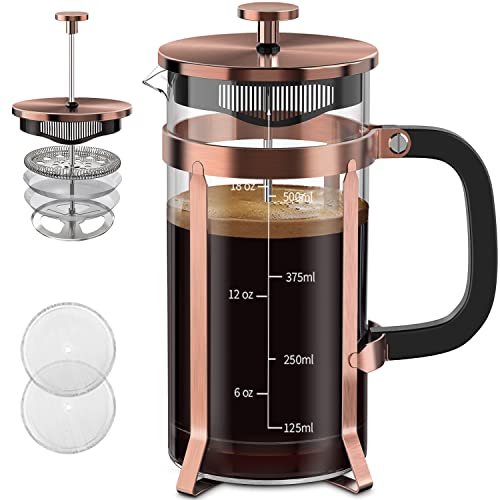
The QUQIYSO French Press prioritizes non-toxic materials and filtration efficiency. Built from 304 stainless steel with an 80-mesh filter, it provides strong filtration for a smooth cup while reducing sediment. The model is described as BPA-free, aligning with safety-minded users seeking toxin-free brewing gear. Its 21-ounce capacity makes it suitable for individuals or small households who value portability and flavor fidelity. The copper-toned aesthetic adds a stylish touch to a practical design that emphasizes durability and user-friendly operation.
Beyond coffee, this press adapts to tea and other infusions, making it a versatile kitchen tool. The construction minimizes the risk of plastic contact during brewing, and the filter system helps maximize coffee oils and aroma. Ergonomic handling and straightforward cleaning further enhance its appeal for daily use. If you want a compact, safe French press that emphasizes material quality, this option provides a compelling balance of safety and performance.
COSORI Pour Over With Stainless Filter

The COSORI pour-over system emphasizes non-toxic materials with a double-layer stainless steel filter and a borosilicate glass decanter. The 34-ounce capacity offers eight cups of coffee, making it a practical choice for entertaining guests at home. The stainless steel filter eliminates the need for disposable paper filters and helps retain nuanced oils that contribute to a richer taste profile. The borosilicate glass carafe resists thermal shock and is easy to clean, aligning with toxin-conscious preferences while delivering clear, clean flavor.
Pour-over brewing with a reusable metal filter also reduces waste and potential plastic exposure. The glass carafe is straightforward to handle and dishwasher-safe in many setups, while the metal components resist staining and odors. This option suits those who value a methodical pour-over experience coupled with durable, non-toxic materials that promote long-term kitchen health.
Cuisinart 14-Cup Programmable Coffee Maker

The Cuisinart DCC-3200NAS centers on convenience and safe design. Housed in sturdy stainless steel, it supports up to 14 cups, making it suitable for families and offices. Its programmable features include 24-hour setup, auto-off, and a ready alert tone. Brew-strength control allows customization for your preferred intensity, helping you tailor flavor without relying on additives. While the product description emphasizes convenience, the stainless construction supports a toxin-conscious approach by reducing the need for plastic-heavy components in the brewing path.
Another notable feature is its 1-4 cup setting, which optimizes brewing for smaller portions without sacrificing flavor. The carafe is glass, and the warm plate helps maintain temperature without overheating the coffee. Overall, this model offers a reliable, user-friendly option for those who want a large-capacity, programmable coffee maker with materials aligned to non-toxic kitchen practices.
Buying Guide
- Material safety: Choose machines with stainless steel housings, glass carafes, and metal-free or BPA-free internal components. Stainless and borosilicate glass are widely regarded as non-toxic and durable for daily use.
- Capacity needs: Decide between single-serving or multi-cup models. If you regularly host, a 12–14 cup brewer is practical; for small households, a 4–8 cup option may suffice.
- Filtration and flavor: Metal filters and glass carafes preserve essential oils and aromas better than some plastic configurations. Reusable filters reduce waste and potential chemical exposure from disposable options.
- Brewing control: Look for programmable timers, brew-strength settings, and auto-off features. These add convenience without compromising safety or flavor.
- Cleaning and maintenance: Favor dishwashable components or those with straightforward hand-cleaning routines. Fewer small parts reduce the risk of residues that could affect taste or safety.
- Durability and warranty: Stainless steel builds tend to last longer in everyday use and in outdoor environments. Check for warranties that cover heating elements and mechanical parts.
- Portability vs. home use: Outdoor-ready designs, like stovetop percolators or double-walled stainless presses, offer rugged performance with toxin-conscious builds for travelers and campers.
- Environmental considerations: Reusable filters and glass carafes decrease waste and exposure to disposable plastics. This aligns with broader efforts to minimize toxins and environmental impact.