Choosing a compact, reliable water heater is essential for mobile homes, cabins, and small living spaces where space and installation flexibility matter. This guide highlights five well-suited options that balance compact design, simple setup, and steady hot water delivery. Each product segment provides a quick snapshot of capabilities, followed by practical considerations to help you compare models for efficiency, safety, and long-term performance.
| Product | Brand | Capacity | Notable Feature |
|---|---|---|---|
| GE Appliances 18 Gallon Versatile Plug and Play Electric Water Heater | GE | 18 gal | Adjustable thermostat; 120V plug-and-play |
| VEVOR Electric Water Heater, 18 Gallon | VEVOR | 18 gal | LED display; adjustable temp; 1600W |
| GE Appliances 10 Gallon Versatile Plug and Play Electric Water Heater | GE | 10 gal | Compact, easy install; 120V |
| Thermomate Tank Water Heater – 10 Gallon Point of Use | thermomate | 10 gal | Low profile; adjustable thermostat |
| ThermoMate Tank Water Heater Electric, 18 Gallon | thermomate | 18 gal | Low profile; inline use or booster option |
Introduction to compact electric water heaters for mobile homes: These units are designed to fit tight spaces while delivering consistent hot water for kitchens, baths, and laundry. The five models below span 10 to 18 gallons and emphasize straightforward installation, adjustable thermostats, and robust safety features. When evaluating, consider installation location, water demand patterns, electrical capacity, and compatibility with your existing plumbing. All options described here are electric and designed for easy integration into small living spaces.
GE 18 Gallon Versatile Plug And Play Electric Water Heater

Key attributes include whole home flexibility for hot water distribution and straightforward installation into standard plumbing with 3/4-inch NPT connections. This model runs on a typical 120-Volt supply, making it a practical plug-and-play choice for limited spaces such as kitchens, bathrooms, laundry rooms, cabins, RVs, and garages. The compact design helps maximize usable area in tight mobile home layouts, while the adjustable thermostat supports varying climate and usage patterns.
Features to note: compact form factor ideal for tight spaces; compatibility with standard water connections; 120-Volt operation supports easy electrical setup. For mobile homes needing quick, flexible hot water without major remodeling, this GE unit offers a balanced mix of capacity, convenience, and reliability.
VEVOR 18 Gallon Electric Water Heater
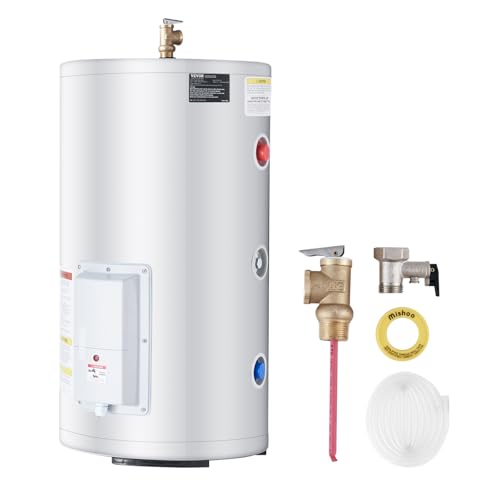
This model combines a generous 18-gallon capacity with a 1600W heating element for faster recovery times, which can be beneficial for households with simultaneous hot water needs. It features an LED display and knob-style temperature control, enabling precise settings from 30°C to 75°C (86°F to 167°F). An enamel coating adds a safety layer against corrosion and leaks, and the unit is designed to deliver steady hot water for uses such as showers, dishes, and laundry in compact spaces.
Important considerations: 18-gallon storage helps reduce run-time hot water depletion; high-power heating reduces wait time; LED display simplifies operation. The device’s side connections and IPX4 rating contribute to safety in adaptable space configurations that mobile homes often require.
GE 10 Gallon Versatile Plug And Play Electric Water Heater
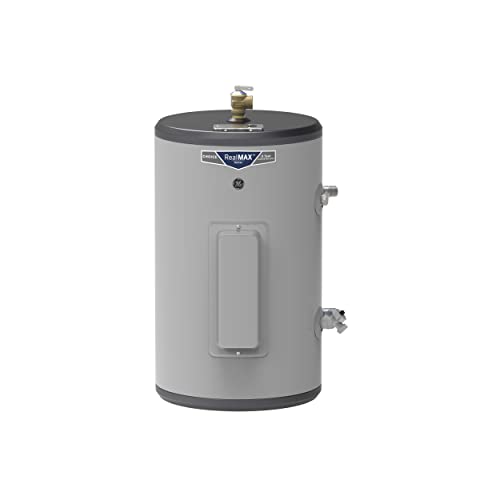
The 10-gallon GE model emphasizes easy installation and space-saving design that fits well in narrow closets, cabinets, or under sinks within mobile homes. It uses standard 3/4-in NPT water connections and runs on 120-Volt power, enabling quick setup alongside existing plumbing. The unit’s compact footprint makes it a practical booster or primary hot water source in small living environments, with an emphasis on simple maintenance and a reliable supply for everyday use.
Key points: 120-Volt plug-and-play operation; compact footprint; flexible placement in kitchens, bathrooms, RVs, cabins, and garages. It’s well-suited for scenarios where modest but dependable hot water is needed without significant electrical or plumbing changes.
Thermomate 10 Gallon Point Of Use Water Heater

Designed as a point-of-use system, this 10-gallon unit provides enough hot water for a sink, dishwasher, washing machine, or a quick shower. It arrives factory-set at 125°F, with a flexible adjustment range from 90°F to 150°F via built-in thermostat. Its low-profile 24.5-inch height and 120-Volt hard-wired capability support independent installation or inline boosting with larger hot water sources. The INCOLOY-800 heating element offers corrosion resistance and longer life, contributing to reliability in mobile home setups.
Considerations: 10-gallon capacity is ideal for space-constrained areas; adjustable thermostat supports diverse usage; INCOLOY-800 elements offer durability in damp or high-use environments.
ThermoMate 18 Gallon Tank Water Heater

This 18-gallon ThermoMate unit emphasizes a compact, low-profile design suitable for tight spaces in mobile homes while delivering sufficient hot water for sinks, showers, and appliances. It features an adjustable thermostat with a factory setting commonly around 125°F and a robust 1500W INCOLOY-800 heating element for improved corrosion resistance. The model supports horizontal or vertical installation, making it adaptable to varied plumbing layouts in caravans, cabins, and tiny homes.
Core takeaways: 18 gallons provides more sustained hot water; low-profile footprint aids space management; adjustable thermostat and corrosion-resistant elements enhance longevity in mobile settings.
Buying Guide: Key Purchase Considerations And Comparisons
- Capacity vs. usage: For single-sink applications, 10 gallons can suffice, while 18 gallons better serves multiple outlets or frequent usage. Assess peak demand to avoid cold-water bursts.
- Electrical requirements: All models listed are electric. Verify circuit capacity and dedicated amperage in your mobile home’s electrical panel. Some units require 120V, others may need specific wiring arrangements.
- Space and installation: Measure installation clearance and consider whether you need a wall-mounted or cabinet installation. Low-profile, point-of-use designs are ideal for compact areas.
- Thermostat control: Adjustable thermostats allow tailoring water temperature to comfort and safety. Check temperature range and stability, especially in cooler climates or for households with children.
- Durability and safety: Look for enamel or INCOLOY-800 elements for corrosion resistance, thermal cutoffs, and reinforced insulation. An IP rating or splash protection helps in damp spaces common in mobile homes.
- Maintenance and serviceability: Consider models with removable access panels and easily replaceable elements. Field serviceability is beneficial for remote locations.
- Installation flexibility: Some units are plug-and-play, while others require hard wiring or inline boosting. Decide whether you need a standalone heater or a booster to a larger reserve water system.
- Cost of ownership: Beyond purchase price, factor in energy efficiency, expected lifespan, and potential replacement cycles to estimate total cost over years of use.
- Brand and warranty: Reputable brands with longer warranty coverage offer peace of mind in mobile environments where service options may be limited.
- Safety features: Prioritize units with auto shutoffs, thermostatic controls, and corrosion-resistant elements to mitigate common mobile-home water issues like mineral buildup and leaks.
The five selected models provide a mix of plug-and-play convenience, compact footprint, and adjustable temperature control, making them suitable for mobile homes, cabins, and tiny living spaces. When choosing, align the unit’s capacity and installation requirements with your daily hot water needs, available electrical capacity, and space constraints. A well-matched system maintains comfort, improves efficiency, and supports dependable hot water delivery in compact homes.