Choosing a low-energy heater can reduce winter costs while keeping spaces comfortable. The following five models offer energy-efficient heating, compact design, and built-in safety features for homes and small offices.
| Product | Brand | Key Energy Feature |
|---|---|---|
| Gaiatop Mini Space Heater | Gaiatop | Compact, 500W PTC ceramic heating; fast warm-up; 45° tip-over and overheating protection |
| ENVI Wall Panel Heater | ENVI | Low wattage; wall-sense safety sensor; silent, fan-less operation |
| NewAir 400W Under Desk Heater | NewAir | Slim design; 400W; oil-filled for quiet warmth |
| QQT Electric Space Heater | QQT | 1200W; two heating settings; 45° tipping protection; quiet operation |
| Heat Storm Phoenix HS-1500-PHX | Heat Storm | Infrared; 750-1500W; energy-efficient heat with HMS technology |
Gaiatop Mini Space Heater

The Gaiatop mini space heater emphasizes a compact footprint alongside quick warmth. Its 500W PTC ceramic heating element is designed to deliver warm air rapidly, helping a small space reach comfortable temperatures in moments. The unit prioritizes safety with 45° tip-over protection and overheating protection, and it uses fireproof materials rated to V0, reducing risk during extended use. Its space-saving form makes it suitable for desks, small offices, dorm rooms, and apartments where space is at a premium.
Designed for portability, this heater suits personal zones without dominating a room. The lightweight construction and unobtrusive profile support easy relocation between workspaces and living areas. For users who want fast, localized warmth without engaging a full-size space heater, the Gaiatop model offers a balance of efficiency and safety. While wattage is modest, the heater leverages ceramic technology to provide meaningful warmth with low energy draw in compact environments.
ENVI Plug-in Electric Panel Wall Heaters
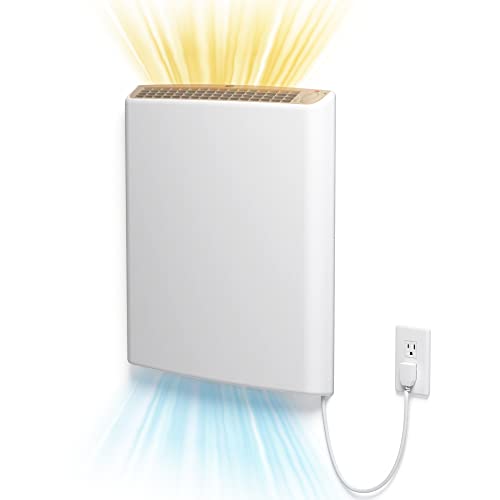
The ENVI wall heater is designed to supplement or replace heating in targeted zones with a focus on energy efficiency. Its low-wattage operation helps maintain comfortable temperatures while reducing overall energy consumption, making it suitable for rooms where a full central heat boost isn’t necessary. A wall-sense safety sensor automatically cuts power if the unit is removed from the wall, enabling 24/7 operation in homes with children, elderly residents, or pets. The fan-less design minimizes dust movement and reduces ambient noise.
Quiet and comfortable, ENVI uses Stack Convection coupled with auto-dimming power indicators to minimize visual disruption. The absence of a fan means no moving parts to contribute to noise, which is ideal for bedrooms and home offices. The heater’s design promotes steady, gentle warmth without drying the air excessively. This model is best for rooms that require steady, unobtrusive heat with a low risk of over-heating or energy waste.
NewAir 400W Portable Under Desk Heater

The NewAir under-desk heater is specifically designed to fit beneath a desk, delivering heat directly into the user’s workspace. Its slim profile frees up legroom while promoting targeted warmth where it’s most needed. Instead of a loud fan, this model uses diathermic oil to distribute heat quietly and efficiently, which helps maintain a comfortable temperature without disruptive noise. With a 400W rating, it provides a balance between energy use and warmth for small to medium office spaces or home offices.
The unit is positioned as a practical, energy-conscious option for those who spend long hours at a desk. The silent operation supports concentration and productivity, while the under-desk placement keeps the heater out of sight. While not intended to heat large rooms, it excels at helping an individual stay warm in a work area, making it a smart investment for people who value both efficiency and comfort during work hours.
QQT Electric Space Heater

The QQT space heater emphasizes energy savings with a 1200W heating capacity and two adjustable settings. Its design focuses on efficient heat distribution, offering three-second warm-up and a compact footprint suitable for desks, under-desk spaces, or small rooms. Safety features include 45° tipping protection and robust insulation, plus an auto shut-off when tilting or overheating. The unit is engineered to operate with minimal noise (under 30 decibels), supporting quiet environments for work, study, or sleep while still delivering reliable warmth as needed.
QQT’s dual-settings allow users to tailor temperature output to the space, making it adaptable for varying room sizes and preferences. While higher wattage is available, the energy-conscious design gives users control over consumption, enabling more efficient use in smaller rooms or personal work zones. This model balances warmth, safety, and quiet operation for individuals seeking a practical, budget-friendly heater with scalable performance.
Heat Storm Phoenix HS-1500-PHX

The Heat Storm Phoenix HS-1500-PHX is a versatile infrared heater designed to provide efficient warmth with adjustable power. Its two-mode operation—750W and 1500W—gives users the flexibility to scale heat output for different room sizes and seasons. Infrared heating delivers comfort without significantly reducing oxygen or humidity, thanks to Heat Storm’s HMS technology. The unit can be used on the floor or mounted on the wall, and it includes attachable feet for freestanding use. The surface remains safe to touch, reducing burn risk in busy living spaces.
In larger or transitional rooms, the Heat Storm Phoenix delivers steady warmth with energy-conscious operation. The infrared mechanism directly heats occupants and objects rather than the air, which can improve perceived comfort while using less energy, especially at lower wattage settings. For spaces that require flexible placement and a balance of heat types, this model provides a robust option with straightforward operation and a compact footprint.
Buying Guide
When selecting a low-energy heater, consider room size, heating technology, energy use, safety features, noise level, and placement options. Smaller spaces benefit from compact, desk-friendly or wall-mounted designs, while larger rooms may justify higher-wattage infrared or radiant units with energy-saving modes. A flexible approach often yields comfort with lower energy costs.
Room Size And Heating Capacity
Correct wattage matters. For small rooms (up to about 150 square feet), models in the 400–1000W range typically suffice. Medium rooms (150–300 square feet) may require 1000–1500W, while larger spaces may need higher outputs or multiple devices. An energy-efficient strategy emphasizes targeted heating rather than overheating the entire home.
Heating Technology Types
PTC ceramic heaters, oil-filled units, panel wall heaters, and infrared systems each offer benefits. Ceramic units heat quickly with moderate energy use, oil-filled models provide quiet, steady warmth, panel heaters offer area-specific comfort with low wattage, and infrared heaters deliver rapid warmth with heat directed to people and objects. Your choice should align with room type, noise tolerance, and preferred heat delivery.
Safety Features
Look for tip-over and overheat protection, automatic shut-off, cool-to-touch housings, and child-pet safety considerations. Fan-less designs reduce dust disturbance and noise, while auto-sensing sensors can prevent operation when not properly mounted or installed. Safety features often correlate with longer warranty coverage and better peace of mind in sleep environments.
Noise And Comfort
Quiet operation supports work, study, and sleep. Fan-assisted units can produce noticeable sound, while fan-less or oil-filled models tend to be quieter. Consider placement away from direct living or sleeping areas if noise sensitivity is high.
Installation And Placement
Desk-under, wall-mounted, and freestanding options offer different advantages. Under-desk heaters save space and target the user, while wall-mounted panels save floor area and provide steady warmth. Freestanding infrared units offer flexibility but require careful placement to optimize heat distribution and safety.
Energy Efficiency And Long-Term Costs
Wattage choices, thermostatic control, and intelligent safety features influence running costs. Units with stable, controlled heat output and automatic shut-off help minimize wasted energy. Compare models by their stated wattage ranges, and prioritize those with programmable or adaptive controls for better efficiency over time.
Maintenance And Warranty
Choose models with straightforward maintenance, especially those with minimal moving parts. Check warranty length and coverage for components such as heating elements and safety systems. A solid warranty often reflects product reliability and post-purchase support.