Choosing the right light color in the bedroom can influence how well you sleep. Research shows blue-rich light in the evening can delay melatonin production, making it harder to fall asleep. Warmer colors—like amber and red—toster relax the nervous system and support a natural bedtime rhythm. This article reviews five Amazon-sold options that align with sleep-friendly lighting strategies: red light therapy, amber warm bulbs, dimmable night lights, and ambient RGB options. Each product section explains how its color and features can fit different sleep routines, whether you’re winding down alone or sharing a room with a partner or child.
Below is a quick summary of the chosen products to help you compare at a glance. The table focuses on color temperature or color options, ease of use, and how each option supports healthy sleep.
| Product | Brand | Sleep Relevance | Light Type |
|---|---|---|---|
| XKETA 670nm Red Night Light | XKETA | 670nm red light promotes melatonin and supports circadian rhythm | 670nm red light; amber option; cordless with timer |
| DALUXshop Amber Sleep Light Bulbs | DALUXshop | Amber 1800K warmth reduces blue light exposure | Amber warm bulbs; blue-light free |
| YUNLEX Amber Night Light | YUNLEX | Amber glow minimizes blue-light exposure; dusk-to-dawn | Amber; diffused; three brightness levels |
| TORANKOS Very Dim Sleep Night Lights | TORANKOS | Dim, warm options reduce sleep disruption | Warm to neutral white; dimmable |
| Dawnrise Night Lights | Dawnrise | 12 RGB modes; best for mood yet can be tuned toward sleep | RGB color options; dusk-to-dawn sensor; dimmable |
670nm Red Night Light For Sleep
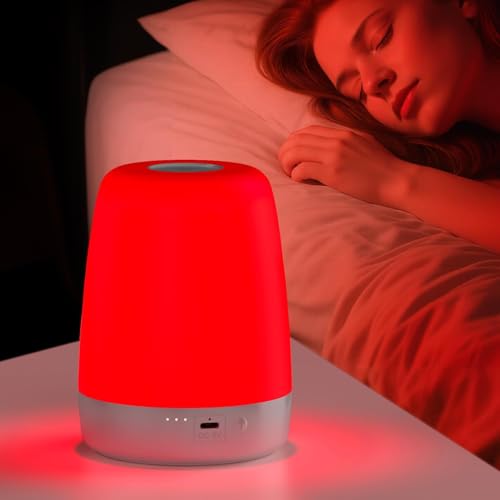
The XKETA red night light is designed to support melatonin production by emitting light at a 670nm wavelength, a range associated with calming the circadian system. This particular red light is described as deeper and softer, reducing glare in the dark and helping the nervous system settle as evening progresses. The device leverages two light modes—pure red for sleep optimization and a warm amber glow for low-intensity illumination during late-night activities. With three adjustable brightness levels, you can tailor the glow for reading, nursing, or bathroom trips without waking others. A built-in timer offers a two-hour window of operation, and the unit is cordless for flexible placement around the bedroom. This combination appeals to both adults and kids who benefit from a consistent pre-sleep routine and a non-disruptive night-light presence.
In practical terms, red light is less likely to trigger the same alert pathways as blue or bright white light. For households managing children’s sleep schedules, this can help minimize bedtime resistance and improve morning wake times. The option to switch to a warmer amber glow during late-night tasks provides a gentle compromise between visibility and restful darkness. For rooms with shared bedding, the cordless design means you can position the light away from a sleeping partner while still achieving a calm, sleep-focused ambiance. Overall, the XKETA light prioritizes circadian-friendly signaling while offering straightforward controls and reliable performance.
Amber Sleep Light Bulbs For Bedroom

The DALUXshop amber sleep bulbs are designed to curb blue light exposure, a common culprit in delayed sleep onset. These bulbs advertise blue light-free operation, claiming near-total avoidance of blue wavelengths while delivering 1800K warm, amber lighting. The result is a soft, inviting glow that can be used for reading or winding down without interfering with melatonin production. The bulbs are described as flicker-free with no glare, which reduces eye fatigue during evening activities. Since they fit standard fixtures, they’re easy to deploy in living spaces, bedrooms, or nurseries. Using amber lighting in the hour before bed aligns with guidelines for healthy sleep and can complement other relaxation routines in the household.
From a practical perspective, amber lighting slowly eases you into darkness, signaling the body that bedtime is near. This type of light is particularly helpful for households where a partner needs to watch TV or read nearby, as it provides sufficient illumination without pushing the brain toward wakefulness. The 1800K color temperature is warm enough to create a cozy atmosphere while preserving the room’s visual comfort. For families with sensitive eyes or those who experience eye strain, the absence of blue wavelengths can make evening routines more pleasant and reduce post-activity glare when turning off lights for the night.
Amber Night Light With Dusk-To-Dawn Sensor

The YUNLEX amber night light emphasizes indirect, diffused lighting with three brightness levels. The amber color minimizes blue-light exposure, supporting melatonin production as evening settles. Its diffused glow avoids direct glare, making it a comfortable choice for hallways, bedrooms, and bathrooms where you need safe navigation after dark. A built-in dusk-to-dawn sensor means automatic on/off cycling, so you don’t have to fiddle with switches when you’re sleepy. The plug-in design keeps power use simple while delivering a consistent, low-impact light source. This makes it suitable for nurseries or shared living spaces where predictable lighting supports sleep readiness.
In practice, its auto-sensing feature helps establish a stable pre-sleep routine, particularly for households with varying bedtimes. Because amber light is easier on the eyes than stark white, it can be used in corridors or entryways to gently guide movement at night without fully waking someone. Additionally, the ability to adjust brightness helps tailor visibility to individual needs, from softly guiding you to the bed to providing just enough light for late-night bathroom trips. For parents and caregivers, this light supports gentle nighttime routines without introducing harsh visual stimuli.
Very Dim Sleep Night Lights

The TORANKOS night lights prioritize a very dim glow to minimize disruption to sleep. These plug-in lights offer three color temperatures—cold white, warm white, or natural light—so you can adjust the ambiance to suit evening activities or reading needs. A touch switch controls brightness, allowing you to increase warmth or reduce glare without fumbling in the dark. The design emphasizes ease of use and minimal visual intrusion, making them a practical choice for bedrooms, hallways, and bathrooms where a constant, gentle illumination is desirable. The emphasis on dimming ensures the circadian rhythm remains undisturbed for most sleepers.
From a sleep-science viewpoint, dim warm lighting is typically preferred over bright cool lighting in the hours leading to bedtime. The TORANKOS lights can be placed near doorways or bedside tables, offering a controlled path of light that helps you navigate spaces without triggering wakeful alertness. However, when the goal is deeper sleep, limiting blue-rich or high-intensity light remains important. The product’s flexibility—combining easy touch control with multiple color temperatures—helps accommodate different evening activities, from night-time parenting to late-screen-free reading. Overall, these lights provide a practical balance of visibility and sleep preservation.
Dawnrise Night Lights With Dusk To Dawn Sensor

The Dawnrise night lights offer a broad palette with 12 RGB color modes and dimmable brightness, allowing you to craft atmospheres that range from cozy to vibrant. They include a dusk-to-dawn sensor and two color-changing modes—gradual and rapid—so you can choose a steady glow or a dynamic color shift. This flexibility makes them attractive for bedrooms, stairs, and entryways where mood lighting is a feature. While RGB lighting can be a fun design element, the guide suggests favoring warmer tones during the hour before sleep to minimize blue light exposure. A remote control adds convenience when you’re already in bed or seated nearby.
From a sleep-health perspective, Dawnrise lamps illustrate the trade-offs between mood lighting and circadian-friendly lighting. The RGB options can stimulate relaxation with soft color transitions if used earlier in the day, but they should be avoided or limited as bedtime approaches. The dusk-to-dawn feature, however, supports a smoother nocturnal routine for adults and kids who need a gentle introduction to darkness after sunset. If you want a multifunctional light that doubles as a decorative feature and a practical night light, Dawnrise provides a comprehensive package that can adapt to changing room dynamics and sleep schedules.
Buying Guide
Color Temperature And Sleep Quality
Color temperature plays a central role in sleep readiness. Red light around 670nm and amber light around 1800K are generally considered conducive to melatonin production, helping your body wind down. RGB lights offer variety, but many sleep researchers recommend reserving cooler, blue-rich tones for daytime or early evening, and moving to warmer hues as bedtime nears. When choosing, think about the primary activity in the space (reading, nursing, winding down) and how long you’ll be exposed to light before bed.
- Red light (around 670nm) is less likely to suppress melatonin than blue or white light, making it a strong option for pre-sleep routines.
- Amber light (around 1800K) resembles sunset and supports calming physiology without complete darkness.
- Blue-light-free bulbs are particularly useful for nurseries and late-evening reading corners.
- RGB options can be fun for mood but should be used sparingly in the lead-up to sleep.
Brightness, Dimming, And Night Visibility
Operation should include adjustable brightness to match different tasks. For sleep-friendly setups, aim for low, non-glare lighting within sight of the bed. Dimmable lights allow you to reduce brightness during late-night trips while keeping the room navigable. When shopping, check how easy it is to change brightness levels without disrupting your sleep environment. A light that can switch between a soft reading glow and near-dark mode is ideal for households with varying routines or multiple sleepers.
- Three brightness levels or more gives flexibility for bedtime routines without waking a partner.
- Direct glare should be avoided; diffused light reduces eye strain in the dark.
- Flicker-free operation supports comfortable viewing and reduces eye fatigue.
Light Source Type And Placement
Consider whether you prefer plug-in, cordless, or bulb-based solutions. Cordless devices offer flexible placement away from the bed, reducing disturbance, while plug-in options provide continuous low-level light with fewer battery concerns. The placement matters; aim for lights that illuminate paths (hallways, stairs) and reading zones without shining directly toward beds. Timers and dusk-to-dawn sensors reduce the chance of lights staying on all night, which can help preserve sleep cadence for sensitive sleepers.
- Cordless lights are convenient for repositioning as room layouts change.
- Fixed fixtures are reliable for consistent lighting across the night.
- On/off timers minimize unnecessary illumination during deep sleep phases.
Smart Features And Energy Efficiency
Smart features like dusk-to-dawn sensors, motion triggers, or remote control offer convenience and improved sleep hygiene. Energy-efficient LEDs not only reduce electricity use but also produce less heat and flicker, which can influence comfort. When evaluating options, verify whether the light maintains a steady color temperature and whether any dynamic color changes are timed to avoid disrupting sleep cycles. For households with multiple lights, consider a cohesive setup that maintains a uniform warm tone in the evening.
- Energy efficiency supports daily use without higher costs.
- Flicker-free design contributes to a calmer sleep environment.
- Remote controls or apps add convenience but may introduce complexity; ensure reliability.
Safety, Eyes Comfort, And Sleep Routines
Eyes-friendly lighting reduces strain in low-light conditions and guards against glare that can disrupt sleep. Look for diffused illumination, soft color temperatures, and materials that stay cool to the touch. The best sleep lighting aligns with a routine: dim, warm hues as you prepare for bed, then off or near-dark lighting when you fall asleep. If you’re shopping for a child’s room, opt for gentler options and avoid rapid color-changing modes close to bedtime. A well-planned lighting strategy supports consistent sleep patterns and can improve overall rest quality.
- Avoid bright white or blue-hewed light within an hour of bedtime.
- Diffused lighting minimizes direct glare while maintaining visibility.
- Choose products with stable color output to prevent abrupt shifts that wake you.
Product-Specific Comparisons
When comparing products for sleep-friendly lighting, consider how each option aligns with your bedtime rituals. Red-light devices excel for melatonin support during pre-sleep routines, especially for adults and children who are sensitive to light. Amber bulbs provide a steady, cozy glow with minimal blue exposure, suitable for reading and winding-down periods. Dusk-to-dawn amber lights offer automatic management, reducing the need to switch lights on at night. RGB gadgets add flexibility for mood lighting but should be used selectively before sleep. Finally, dimmable, warm white options can bridge the gap between practical night navigation and circadian-friendly sleep planning. Balancing color, brightness, and control options will help you pick the best fit for your bedroom environment.