Answering your search for reliable hot water system protection, these expansion tanks help manage thermal expansion in closed plumbing, prevent damage to heaters and valves, and maintain safe water pressures. This guide highlights five well-suited options, clarifying who benefits most from each design and why they were chosen. Ideal buyers include homeowners with aging tanks, small-to-medium residential systems, or DIY installers seeking straightforward installation and dependable performance.
Quick comparison of chosen products
- TT FLEX Potable Thermal Expansion Tank, 2.1 Gal — best for compact residential setups with easy DIY install.
- Neo-Pure 2.1 Gal Thermal Expansion Tank — best for systems using backflow preventers and needing a durable diaphragm.
- Solimeta 2.1 Gal Potable Expansion Tank — best for budget-friendly, space-conscious installations with mounting bracket included.
- TT FLEX Potable Thermal Expansion Tank, 4.5 Gal — best for larger residential or multi-fixture systems needing greater capacity.
- Watts Potable Water Expansion Tank, 4.5 Gal — best for robust, commercially aligned performance with versatile mounting.
TT FLEX 2.1 Gal Potable Thermal Expansion Tank

Best for compact residential systems that require a quick, contractor-friendly install. Key features include a 2.1 gallon capacity and a 3/4″ MNPT connection. The tank is designed to manage thermal expansion in closed-loop water heating or cooling setups, protecting valves and plumbing from pressure spikes. Best for smaller homes or apartments where space matters.
Who it’s best for: homeowners with limited cabinet or crawlspace space and DIY installers seeking straightforward setup. Why selected: its compact size and installation simplicity suit many standard homes without sacrificing expansion control. Caution: ensure compatible piping and precharge are configured to your system pressure.
Neo-Pure 2.1 Gal Thermal Expansion Tank

Best for homes with backflow preventers or check valve systems that require reliable separation between potable water and the tank’s diaphragm. Features a durable butyl rubber diaphragm and a 3/4″ MNPT connection. This model emphasizes compatibility with backflow prevention and safe potable water use. Best for new installs in homes with modern water protection valves.
Who it’s best for: families with backflow preventers or those prioritizing diaphragm robustness. Why selected: compatibility with common residential protection setups reduces risk ofLeaks and pressure surges. Caution: verify diaphragm material compatibility with local water chemistry.
Solimeta 2.1 Gal Potable Expansion Tank
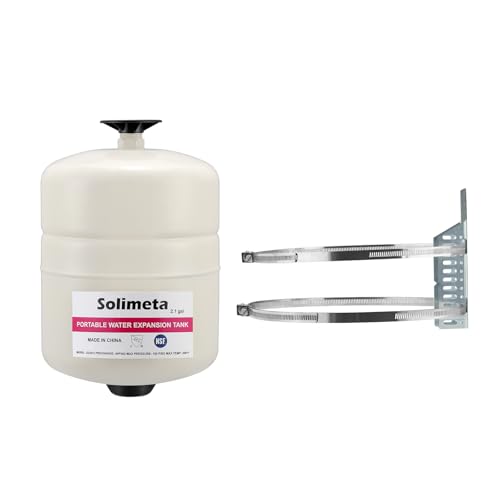
Best for budget-conscious installations that still require dependable expansion management. The 2.1 gallon tank includes a wall mounting bracket set and a rubber thread protector. It helps prevent pressure buildup and reduces water hammer in residential and small commercial systems. Best for retrofit projects where space is limited.
Who it’s best for: budget-minded homeowners or small business operators upgrading existing systems. Why selected: value-oriented package with mounting hardware simplifies installation. Caution: ensure wall mounting is solid and accessible for maintenance.
TT FLEX 4.5 Gal Potable Thermal Expansion Tank
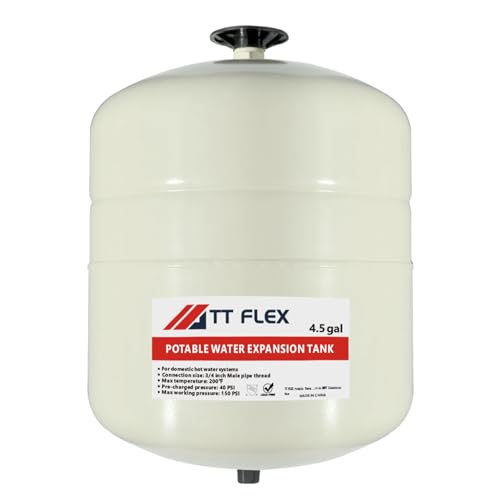
Best for larger homes or multi-fixture systems needing higher expansion capacity. This 4.5 gallon TT FLEX model features a 3/4″ MNPT connection and a 100% butyl diaphragm with a plastic liner to separate system water from the tank air precharge. It supports effective pressure management in busier water heating setups. Best for households with higher hot water usage or larger storage tanks.
Who it’s best for: larger families or homes with multiple bathrooms where higher expansion capacity matters. Why selected: greater gallon capacity reduces cycling and valve activations. Caution: larger footprint requires more wall space and secure mounting.
Watts Potable Water Expansion Tank, 4.5 Gal
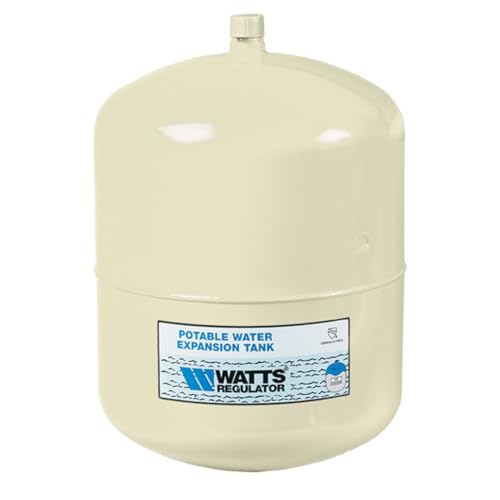
Best for robust, versatile installations in both residential and small commercial heating systems. It has a 4.5 gallon capacity, 3/4-inch male connection, and a durable carbon steel shell with epoxy finish. The design aims to minimize air charge loss and provide dependable expansion control. Best for installations requiring sturdy, long-lasting performance.
Who it’s best for: users needing a durable, high-capacity solution with flexible mounting. Why selected: high expansion capacity supports demanding hot water usage while maintaining safe pressures. Caution: ensure correct mounting position for easy service access.
Buying Guide
- Capacity vs. system size: Choose 2.1 gallon tanks for compact systems or apartments; 4.5 gallon tanks suit larger homes or multi-fixture setups.
- Diaphragm material: Butyl diaphragms provide durable separation of water and air; verify compatibility with your water chemistry.
- Connection size: Most residential tanks use 3/4″ MNPT; confirm pipe fittings to prevent leaks.
- Mounting options: Wall brackets are common; ensure solid mounting and accessible maintenance space.
- Compatibility with backflow preventers: If your system includes backflow preventers, select models explicitly designed for potable water and protection in such configurations.
- Material durability: Look for epoxy-coated steel or stainless components for longer life in humid basements or garages.
- Maintenance considerations: Some units allow easier access to the diaphragm or precharge adjustments; consider how often you plan to service the tank.
FAQ
- What does a hot water heater expansion tank do? It absorbs excess thermal pressure from heated water to protect the heater and plumbing from pressure spikes.
- Do I need a potable water expansion tank with a backflow preventer? Yes, a tank designed for potable water with a diaphragm helps maintain safe pressures and isolate system water from the diaphragm.
- What capacity should I choose? Match capacity to hot water demand: smaller homes often need 2.1 gallons, larger homes or busy households benefit from 4.5 gallons.
- Can I install these myself? Many models are DIY-friendly, especially 2.1 gallon tanks; always follow manufacturer instructions and local codes.
- What is MNPT? Male National Pipe Thread, a common standard for pipe connections in residential plumbing.
- Will an expansion tank prevent leaks? It reduces the chance of leaks by controlling pressure, but proper installation and system checks are still essential.