Transform any room into a dedicated wine storage space with compact and capacity-friendly cooling options. Whether you host monthly tastings or simply want wine at the right temperature, a reliable home wine cellar setup helps preserve flavor and aroma while keeping bottles organized. This guide highlights five top-rated units and essentials to consider when building or upgrading a home wine cellar.
| Product | Brand | Capacity | Type |
|---|---|---|---|
| Cuisinart CWC-800CEN | Cuisinart | 8 bottles | Thermoelectric showcase |
| Feelfunn 12 Bottle | Feelfunn | 12 bottles | Freestanding/compact |
| BLACK+DECKER BD60336 | BLACK+DECKER | 12 bottles | Thermoelectric |
| Ivation 12 Bottle | Ivation | 12 bottles | Compressor cooling |
| EUHOMY 45 Bottle | E EUHOMY | 45 bottles | Under-counter/freestanding |
Cuisinart CWC-800CEN 8-Bottle Private Reserve Wine Cellar
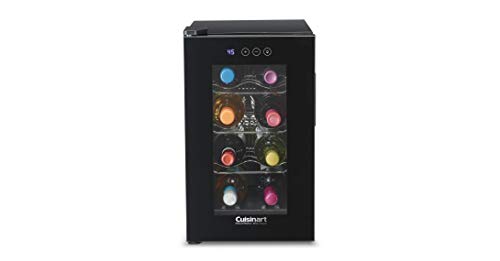
The Cuisinart CWC-800CEN stores up to eight standard bottles with an efficient thermoelectric cooling system that operates quietly and with lower energy use. Front-touch controls provide quick temperature and interior light adjustments, making it a practical choice for kitchens, living rooms, or offices where space is at a premium. This compact unit emphasizes ease of use and reliability in controlled wine storage.
Feelfunn 12 Bottle Wine Cooler Refrigerator

The Feelfunn model offers a 12-bottle capacity with a compact, freestanding design suitable for kitchens, living rooms, or home bars. It features a digital control panel for precise temperature adjustment within a 41°F–64°F range and soft LED lighting to clearly view and retrieve bottles without disturbing the interior temperature. Its quiet operation ensures minimal noise disruption in shared living spaces.
BLACK+DECKER Wine Fridge 12 Bottles

Designed to hold up to 12 bottles in a compact footprint, this unit uses thermoelectric cooling for energy efficiency and low noise. It includes full-length chrome racks and interior lighting to showcase labels. A temperature range of roughly 46°–66°F helps maintain wine in a stable climate for short- to medium-term storage and tasting readiness.
Icyglee 25 Bottle Compressor Wine Cooler

The Icyglee 25-bottle cooler uses compressor cooling for strong temperature stability, with a digital range of 40°F–64°F. It features a double-layer glass door with UV protection, adjustable shelves for flexible storage, and a low-noise operation profile. It’s well-suited for homes seeking a larger capacity without sacrificing quiet use in living rooms or bars.
Ivation 12 Bottle Compressor Wine Cooler
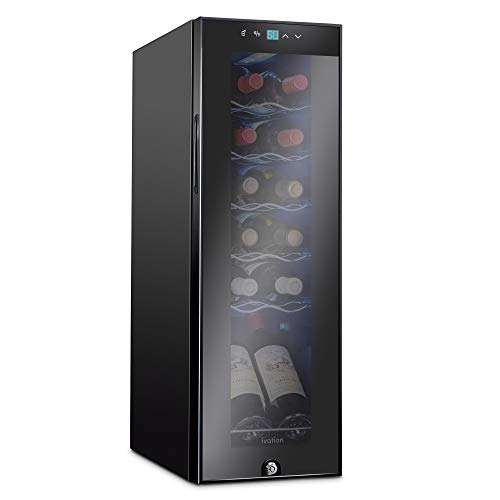
Ivation’s 12-bottle compressor cooler is built for temperature stability, with a built-in fan to maintain even cooling throughout the cabinet. The UV-resistant double-paned glass door helps protect wine from light exposure while the compressor engine supports a broad 41°F–64°F range. This model targets users who want consistent climate control for longer-term storage and aging.
EUHOMY 45 Bottle Wine Cooler

The EUHOMY 45-bottle model balances a larger capacity with versatile installation options, including freestanding or under-counter placement. It features a modern digital control panel for temperature settings from 32°F to 61°F and adjustable legs to accommodate uneven floors. This unit is designed for users who want a higher-volume solution without a dedicated climate-controlled cellar room.
Buying Guide
Key considerations when choosing a home wine cellar setup include capacity, cooling method, and noise level. Thermoelectric coolers are typically quieter and energy-efficient, best for small to medium collections in living spaces or offices. Compressors offer stronger cooling and are better for larger or temperature-sensitive collections but can be louder and more power-intensive.
- Capacity and bottle format: Match the unit to your current collection and future growth. Consider adjustable shelves for flexibility in storing magnums or standard bottles.
- Temperature range and stability: Most wine benefits from a stable environment. Look for models with a broad, controllable range (roughly 40°F–65°F) and fan-assisted cooling for even temperatures.
- UV protection: Glass doors with UV-filtering glass help preserve aromas and colors by reducing light exposure.
- Noise and placement: If the cellar will be near living spaces, prioritize models with low decibel ratings or thermoelectric cooling to minimize disruption.
- Durability and build quality: Solid shelves, an insulated cabinet, and a well-sealed door contribute to long-term storage reliability.
- Placement flexibility: Freestanding, under-counter, and built-in options expand where a wine cellar can fit in a home.
- Security features: For larger collections, some units offer locks or secure shelving to prevent unauthorized access.
Across these options, buyers weigh size against capacity, aiming to preserve wine quality while maintaining a convenient, elegant display. For smaller spaces, compact thermoelectric models provide reliable storage with minimal footprint. For larger collections or future expansion, compressor-driven coolers with adjustable shelving offer durability and room to grow without compromising temperature stability. The right balance depends on room layout, desired aesthetics, and the level of wine aging you anticipate.