Answering the common question: which tankless electric water heater is right for a residential home? This guide highlights five top options that balance flow capacity, energy efficiency, and install practicality. Ideal buyers include: small apartments or point‑of‑use setups, households needing better energy efficiency, and homes seeking compact solutions for limited space. The following selections emphasize reliability, self‑modulating control, and clear temperature management for consistent hot water on demand.
Quick product overview
| Product | Brand | Max GPM | Key Strength | Best For |
|---|---|---|---|---|
| EcoSmart ECO 11 Electric Tankless Water Heater | EcoSmart | up to 2.68–3 GPM* | Self-modulating technology, compact size | Smaller homes or point-of-use use |
| Rheem 18kW 240V Tankless Electric Water Heater | Rheem | up to 4.4 GPM | External digital thermostat, durable elements | Moderate households needing higher flow |
| Rheem 11kW 240V Tankless Electric Water Heater | Rheem | up to 2.68 GPM | Self-modulating power control | Small households or point-of-use |
| WINTEMP 27kW 240V Tankless Water Heater | WINTEMP | up to 6.3 GPM | LED display, WiFi control, high flow | Larger homes or 2–3 fixtures |
| Westinghouse APOLO-2.0 14kW 240V Tankless | Westinghouse | up to 3.38 GPM | Smart WiFi, Alexa/Google integration | Smart home compatible setups |
Rheem 18kW 240V Tankless Electric Water Heater
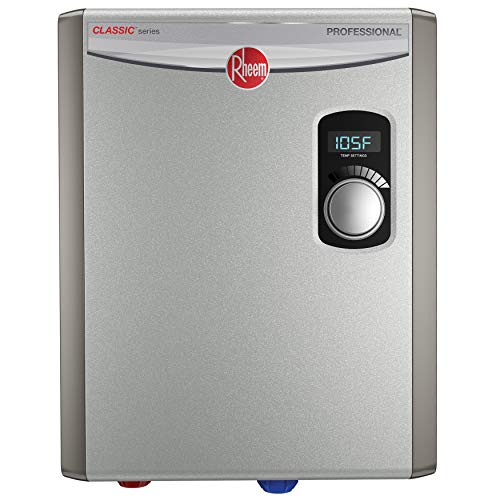
Key features: External digital thermostatic control with LED display (±1 degree), most advanced self-modulation to adjust power with demand, durable copper immersion heating elements, field serviceable. Flow rate up to 4.4 GPM. Best for: households that need reliable, on‑demand hot water with clear temperature readouts and a higher flow ceiling. Limitation: larger units require adequate electrical service and proper mounting; ensure your panel can support the load.
EcoSmart ECO 11 Electric Tankless Water Heater

Key features: Endless on-demand hot water with continuous monitoring for consistent temperature within 1 degree; self-modulating 54 A draw; compact and energy‑saving—EcoSmart units are about 90% smaller than traditional tanks. Best for: smaller homes or point-of-use installs where space is critical. Limitation: maximum output is typically suited for 1–2 fixtures at lower flow; multiple simultaneous demands may require a higher‑capacity model.
Rheem 11kW 240V Tankless Electric Water Heater
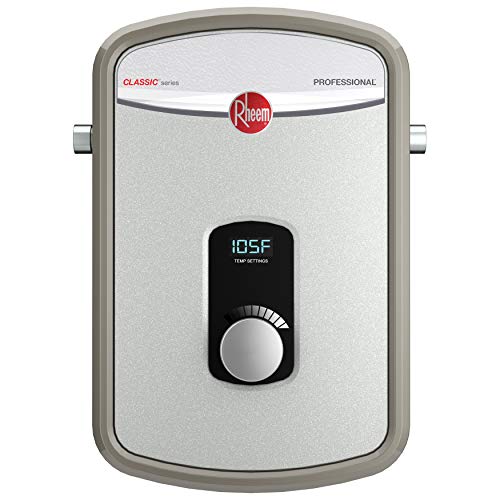
Key features: ON/OFF dial with adjustable digital temperature display; self-modulating power control; flow rate up to 2.68 GPM. Best for: small households or as a point-of-use solution where space or wiring is constrained. Caution: check that your electrical panel supports the required 11 kW load and that wiring is sized appropriately for safe operation.
Orbek 14kW Tankless Electric Heater

Key features: 14kW, 3.38 GPM max, requires 240V/60A two-pole breaker and 6 AWG wiring; notes high efficiency and energy savings with rapid hot water. Best for: households needing robust on-demand supply for 2–3 fixtures when electrical service is prepared. Limitation: installation requires careful electrical panel planning and proper wire sizing; not ideal for upgrade on a tight electrical budget.
WINTEMP 27kW Tankless Electric Water Heater

Key features: 27kW, 3 x 40A double-pole breakers, 3 x 8 AWG wiring; 6.5 GPM maximum hot water; LED display and WiFi control for remote management. Best for: larger homes or households with multiple fixtures needing simultaneous hot water, and for smart-home enthusiasts. Caution: requires substantial electrical service and professional installation to ensure safe operation.
Westinghouse APOLO-2.0 14kW Tankless Electric
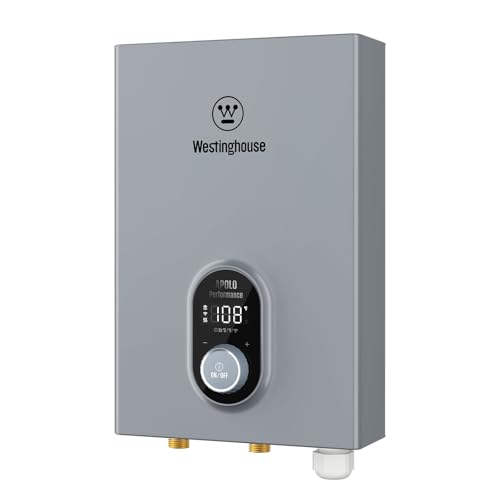
Key features: 3.38 GPM max flow, supports single 60A circuit with 6 AWG wiring, 240V operation; smart home compatibility with Alexa and Google Home. Best for: smart‑home setups and those wanting voice control alongside reliable on‑demand heating. Limitation: lower maximum flow compared with larger units; best for modest simultaneous use rather than heavy multi‑point demands.
Buying Guide: Key Considerations For Selecting The Right Tankless Heater
- Hot water demand: Calculate your peak GPM needs for showers, sinks, and appliances. Higher GPM requires larger kW units or multiple units.
- Electrical service requirements: Many tankless heaters demand 240V and substantial amperage. Confirm panel capacity and available wires before purchase.
- Self-modulating technology: Devices with self-modulation adjust power based on flow, improving energy efficiency and minimizing overheating risks.
- Installation location: Consider point-of-use versus whole-house installation and space availability. Compact models fit under sinks or in utility closets.
- Temperature control: Look for models with digital displays or WiFi-enabled controls for precise temperature management and easy troubleshooting.
- Maintenance and serviceability: Field-serviceable parts or widely available replacement elements can reduce downtime and cost.
- Smart features: WiFi control and voice integration can add convenience for modern homes, especially when managing multiple devices.
Frequently Asked Questions
- What is a tankless electric water heater? A compact unit that heats water on demand as it flows through the device, eliminating traditional hot water storage tanks.
- How much hot water can I get at once? It depends on the model’s maximum GPM. Most homes with 1–2 fixtures will do well with 2–3 GPM units, while larger homes may require higher capacity (6 GPM+).
- Do these require professional installation? Many models require electrical wiring upgrades and proper circuit breakers. A licensed electrician is often recommended.
- Can a tankless heater supply hot water to multiple fixtures simultaneously? Yes, but plan for adequate GPM and breaker capacity. In some cases, multiple units or a higher‑capacity model is necessary.
- Are tankless heaters more energy efficient than tanks? Generally yes, especially models with self‑modulating technology, which reduce energy use when hot water is not demanded.
- What maintenance is needed? Periodic inspection of connections and elements, checking for mineral buildup in areas with hard water, and following the manufacturer’s service schedule.