In today’s connected homes, centralized storage that’s easy to access from any device simplifies backups, media sharing, and file access. The following hand-picked options offer reliable network-attached storage (NAS) and personal cloud capabilities, suitable for households of varied sizes. Each product is evaluated for ease of use, compatibility, and expandability to help you decide which setup fits your home network best.
| Product | Capacity | Brand | Notes |
|---|---|---|---|
| BUFFALO LinkStation 210 | 2TB | BUFFALO | Value NAS with RAID, personal cloud capabilities |
| BUFFALO LinkStation 210 | 4TB | BUFFALO | Centralized storage with optional cloud features |
| BUFFALO LinkStation 210 | 6TB | BUFFALO | Higher capacity in a 1-bay NAS |
| Synology BeeStation BST150-4T | 4TB | Synology | Private cloud with easy sharing and access |
| Synology BeeStation Plus BST170-8T | 8TB | Synology | Private cloud with scalable storage and management |
BUFFALO LinkStation 210 — 2TB NAS
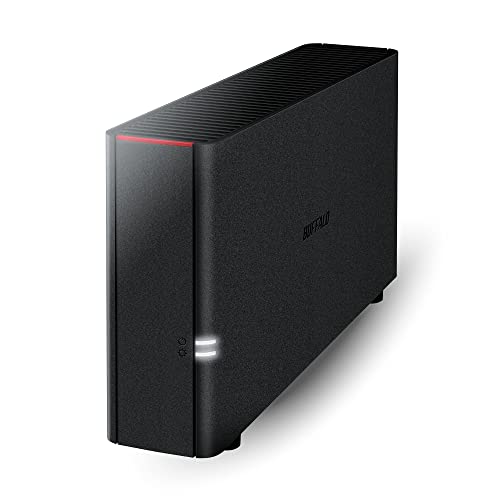
The BUFFALO LinkStation 210 is a value-oriented NAS that provides centralized storage and backup for multiple devices. It supports RAID options to protect data and makes it possible to create a personal cloud that you can access from home or remotely. The device emphasizes ease of setup, router-based network sharing, and compatibility with Windows and macOS environments. Buffalo offers 24/7 US-based support to assist with installation and ongoing use. The product’s emphasis on subscription-free personal cloud means you can store, back up, and manage media without monthly fees.
BUFFALO LinkStation 210 — 4TB NAS
For households with larger media libraries or more devices, the 4TB LinkStation 210 increases on-site storage capacity while preserving RAID options for data protection and centralized backups. The same straightforward setup makes it easy to integrate with a home network and share files across devices. The device remains part of Buffalo’s ecosystem that favors simple, affordable NAS solutions with helpful US-based support and a path to cloud-like access without ongoing service fees.
BUFFALO LinkStation 210 — 6TB NAS
The 6TB configuration offers a compelling balance of capacity and cost for users with larger media libraries or multiple devices requiring reliable central storage. As with the smaller capacities, it supports RAID for data protection, easy router connectivity for shared network storage, and cross-platform compatibility (Windows and macOS). Buffalo’s support network ensures access to installation walkthroughs and ongoing guidance for home users seeking a no-fuss NAS experience.
Synology BeeStation BST150-4T

The Synology BeeStation BST150-4T focuses on private cloud storage with simple setup and web-based access from desktops or mobile devices. This option emphasizes secure file storage, easy sharing with family or friends, and accessible management in one place. The product is designed to get you up and running quickly without requiring extensive network expertise, making it suitable for households that want reliable personal cloud functionality with minimal setup friction.
Synology BeeStation Plus BST170-8T

The BST170-8T model expands private cloud capabilities with a larger 8TB capacity and the same BeeStation ecosystem, focused on data management, sharing across devices, and remote access. It is well-suited for households that expect to store more media, backups, and documents in a centralized location while maintaining straightforward access from multiple devices. The Plus designation typically indicates enhanced performance and software features within Synology’s BeeStation family.
Buying Guide
When selecting a home storage device, consider capacity, performance, and how you plan to access and share data across devices. Here are key purchase considerations and how the listed options align:
- Storage capacity and growth: If you store media libraries or backups for several devices, larger capacities (4–8TB) reduce how often you’ll need to upgrade. The BUFFALO and Synology options above provide a range from 2TB to 8TB, catering to different households.
- RAID and data protection: RAID support helps protect against drive failure. The Buffalo LinkStation line emphasizes RAID for centralized storage and backup. For Synology BeeStation models, look at whether the device supports RAID levels and how easy it is to recover data.
- Private cloud vs. shared network storage: Private cloud-enabled devices allow access from outside your home network without ongoing subscription fees. BUFFALO emphasizes a subscription-free personal cloud, while Synology BeeStation focuses on private cloud storage with intuitive sharing features within your network and beyond.
- Ease of setup and management: For non-technical users, models with guided setup and mobile apps simplify initial configuration and ongoing access. Synology BeeStation products are designed for user-friendly management across devices, while Buffalo emphasizes straightforward router-based sharing and friendly support.
- Compatibility and ecosystem: Consider your devices (Windows, macOS, mobile OS) and any existing NAS or cloud services you already use. Most models in this list support Windows and macOS, with mobile apps for remote access, file sharing, and backups.
- Expandability and future needs: If you anticipate storage growth, choose devices with easy drive replacement or expansion options, and consider whether higher-capacity models (like BST170-8T) align with future data needs.
- Security and access controls: Look for features such as user accounts, access permissions, and secure remote access. Synology’s BeeStation line typically emphasizes robust software features for access control and sharing.
- Support and reliability: US-based support or established brand ecosystems can ease troubleshooting. Buffalo provides 24/7 US-based installation support, while Synology offers widespread software and community resources.
In essence, a home storage device should balance capacity, reliability, and ease of use for your household. If you want flexible private cloud access and strong software features, Synology BeeStation models are a strong choice. If you prefer straightforward, budget-conscious NAS with solid local sharing, Buffalo LinkStation remains a practical option. Evaluate your device count, media library size, and how often you expect to access files remotely to determine the best fit.