When choosing heat resistant brick paint, look for products designed to endure high temperatures, adhere to brick or metal, and minimize odors during application. This guide highlights five top options for interior and exterior use, from traditional brick whitewash to high-temperature enamel paints and fire-safe mortars. It’s ideal for homeowners tackling fireplaces, brick facades, grills, and metal accents. Each selection includes best-use scenarios, practical cautions, and clear reasons to help you compare quickly.
Summary table of the selected products:
| Product | Best For | Key Benefit |
|---|---|---|
| GLAINTE Brick Transformation Paint | Indoor/outdoor brick, concrete, and walls | Low-VOC, water-based, adjustable opacity |
| Rust-Oleum High Heat Enamel Spray (Bar-B-Que Black) | Metal surfaces exposed to extreme heat | Heat resistance up to 1000°F |
| Rust-Oleum Automotive High Heat Spray Paint (Flat Black) | Automotive and engine parts | Withstands up to 2000°F intermittent heat |
| Rustins Heat Resistant Black Paint (500ml) | Grills, radiators, and other metal/brick surfaces | Fast drying, high heat tolerance |
| DAP High Heat Fire Resistant Mortar (10 Oz) | Fireplace joints and firebrick repairs | Non-combustible sealant for fire-rated applications |
Notes: This article focuses on heat resistant paints and mortars suitable for brick, metal, and fireplace-related projects. Always follow product-specific instructions for surface preparation, curing times, and ventilation recommendations.
GLAINTE Brick Transformation Paint
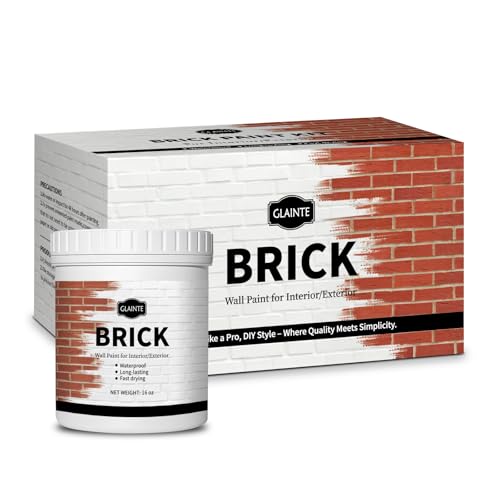
What it is best for: This multifunctional white paint kit is ideal for direct application on brick, concrete, wood, and more. It works well for indoor and outdoor spaces where you want to create brick-like textures or modern finishes without extensive priming. It’s especially suitable for DIYers seeking a low-odor, water-based option that can be thinned to adjust opacity.
Why it was selected: The kit offers versatility with adjustable opacity (1:1 for light veiling or 1:2 for bolder textures) and a seamless layering approach. Its emphasis on reduced VOCs and a user-friendly mix ratio makes it accessible for spaces with limited ventilation while still delivering a durable, weather-tolerant finish after curing.
Best for and why: Choose this if you want a flexible brick-look finish on multiple surfaces with minimal prep and a safer, family-friendly profile. It’s particularly useful for sections of interior walls or exterior facades you want to refresh without heavy restoration work.
Caution or limitation: Outdoor use requires choosing sunny days for application; undried paint may dissolve with rain, though fully dried paint offers waterproof properties. The kit’s finish depends on proper layering to avoid uneven texture.
Rust-Oleum High Heat Enamel Paint Bar-B-Que Black
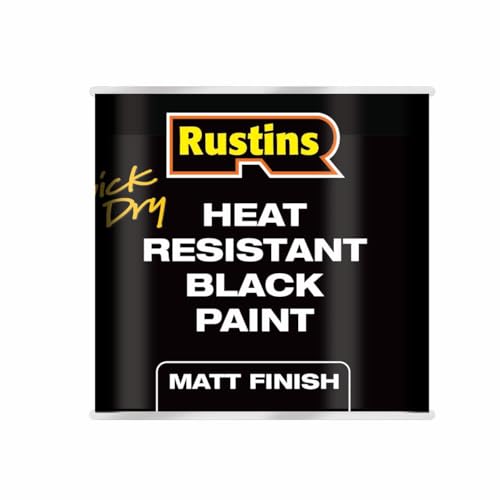
What it is best for: This spray enamel is designed for exterior grills, wood-burning stoves, radiators, and other metal surfaces that experience high heat. It’s specifically formulated to endure heat up to 1000°F and form a protective coating that resists blistering and fading under repeated exposure.
Why it was selected: The product’s heat tolerance makes it a strong choice for metal components that regularly encounter high temperatures. It’s straightforward to apply with spray coverage that is well-suited for grills or fire-prone hardware, offering fast results for large or awkwardly shaped areas.
Best for and why: Opt for this if you’re renovating or refreshing metal parts exposed to intense heat, such as grill shells or furnace components. Its practical spray format helps reach crevices where brushes struggle.
Caution or limitation: It’s explicitly intended for metal surfaces; avoid use on wood-burning stoves where the surface may not consistently reach the same heat levels as metal components. Ventilation is important due to solvent-based formula.
Rust-Oleum Automotive High Heat Spray Paint
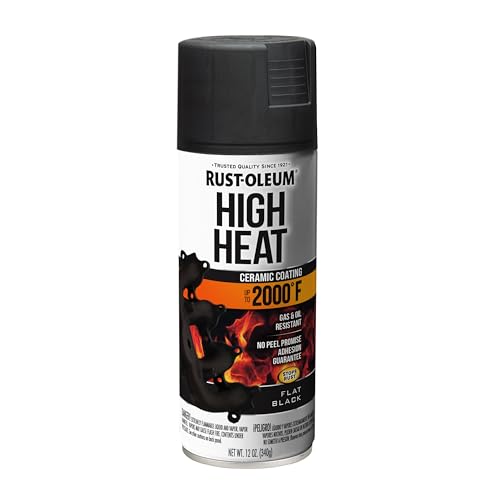
What it is best for: This spray paint is intended for automotive parts and surfaces that endure intermittent very high heat, up to 2000°F. It’s a strong option when painting engine components, exhaust parts, or metal surfaces that face sudden, extreme temperature spikes.
Why it was selected: The high heat rating and durable enamel finish help prevent corrosion and maintain color integrity on hot automotive areas. The stops-rust properties add long-term protection against moisture and weather-induced deterioration in exposed environments.
Best for and why: Choose this if you need a robust, long-lasting finish for metal parts that may experience fast heat fluctuations, particularly in automotive or industrial settings. The flat black option provides a sleek, durable look for utilitarian applications.
Caution or limitation: This product is designed for metal and automotive components. Do not use on wood-burning stoves or other non-metal substrates where compatibility is uncertain. Ensure adequate ventilation during application.
Rustins Heat Resistant Black Paint (500ml)

What it is best for: This versatile paint is suitable for grills, radiators, and other metal or brick surfaces that require durable heat resistance. It is designed to withstand exposure to substantial heat and provide a durable protective layer on interior or exterior surfaces.
Why it was selected: The product emphasizes quick drying and high heat tolerance, which helps projects progress efficiently. The compatibility with both interior and exterior applications makes it a flexible choice for varied environments, from kitchens to outdoor heating structures.
Best for and why: Choose this if you want a straightforward, durable black finish on metal or brick surfaces that will withstand regular heating without frequent touch-ups. It’s a practical option for detailing grills or stoves.
Caution or limitation: As with many heat coatings, avoid applying on wood-burning stoves or areas with direct, continuous flame exposure unless the manufacturer explicitly supports it. Follow curing instructions for best results.
DAP High Heat Fire Resistant Mortar

What it is best for: This is a non-combustible silicate cement designed for fireplace applications. It can seal, repair, and re-point firebrick joints, providing a fire stop that helps maintain fireplace safety and structural integrity in wood-frame construction.
Why it was selected: The product targets a distinct need—fire safety and fire-rated construction—by offering a durable, water-cleanupable solution that bonds bricks together during high-heat exposure. It complements paint-based approaches by addressing mortar joints directly.
Best for and why: Choose this if you’re restoring a fireplace or wood-burning stove and need a sealant that remains non-combustible under heat. It’s particularly helpful for small repairs where cement-like restoration is required between bricks.
Caution or limitation: It is a specialized product for fire-related sealant and mortar work. Follow safety guidelines for handling and curing in enclosed spaces, and ensure the product’s fire-rated claims align with your project’s requirements.
Buying Guide: Heat Resistant Brick Paint And Related Fire-Resistance Products
What to consider when choosing heat resistant brick paint
- Surface compatibility: Verify whether the coating adheres well to brick, concrete, wood, or metal. Some products are specifically formulated for metal or brick, while others are universal but require priming.
- Temperature tolerance: Look for explicit heat resistance ratings (e.g., up to 1000°F or 2000°F). Match the rating to the expected heat exposure of your project.
- VOC and odor: For interior spaces or homes with limited ventilation, prioritize low-VOC or water-based formulas to minimize fumes during application and curing.
- Finish and appearance: Consider gloss level, color options, and whether you want a brick-textured or smooth finish. Some products offer adjustable opacity for patterning or faux brick effects.
- Drying and curing times: Fast-drying formulas help projects move quickly but may require careful handling to avoid smudges. Plan for full cure time before exposure to heat or water.
When to use paints versus mortars
- Paints for bricks and metal: Use heat resistant paints to color and protect surfaces that won’t be directly in the flame path but still face heat exposure, such as fireplace exteriors, grills, and metal trim.
- Mortars for joints and fire blocks: For fire-safe joints and restoration of brickwork, non-combustible mortars provide a sealing layer that paints cannot replace. This is essential for fireplace assemblies and mortar repairs.
Application tips for best results
- Prepare the surface by cleaning and removing loose materials. A dry, dust-free surface improves adhesion.
- Follow directional mixing instructions for opacity and coverage. Test a small area to confirm finish and adhesion.
- Ventilate spaces during application, especially for solvent-based products. Use protective gear as needed.
- Allow proper curing between coats if applying multiple layers. Avoid applying in high humidity or wet conditions for exterior projects.
FAQ
- Can I use heat resistant paint on brick and metal in the same project?
Yes, but select products compatible with both materials. Some paints are universal while others are formulated for specific substrates. Follow label directions for each substrate.
- Is low-odor paint suitable for enclosed spaces?
Low-odor, water-based formulas are typically better for enclosed areas, but ensure adequate ventilation during application and curing.
- How long before heat exposure after painting?
Cure times vary by product. Always follow the manufacturer’s curing instructions to ensure the coating reaches its rated heat resistance.
- Are there safety concerns with firing or heating elements?
Some products are non-toxic once cured, while solvent-based paints require ventilation and protective equipment during application. Never heat surfaces beyond the product’s rated limits during curing.
- Can I use these products on wood-burning stoves?
Not all products are safe for stoves. Avoid applying to areas directly involved with continuous flame unless the product is explicitly labeled for such use.
- Do I need a primer for brick before painting?
Some brick paints are designed for direct application, while others benefit from a primer, especially if you’re changing color or dealing with very porous brick.