Gas space heaters offer rapid warmth for open rooms, studios, or workshops. This guide highlights five reliable options with different BTUs, fuel types, and control features to match your space and climate. Each model below provides a clear performance snapshot and key safety considerations to help you compare at a glance. See the table for a quick overview of BTU and coverage.
| Product | BTU | Area (sq ft) | Type | Fuel |
|---|---|---|---|---|
| Mr. Heater Portable Buddy MH9BX | 4,000-9,000 | Up to 225 | Portable Radiant | Propane |
| ProCom MN300TBA-B | 30,000 | Up to 1400 | Ventless Blue Flame | Natural Gas |
| ProCom MN300TPA-B | 30,000 | Up to 1400 | Ventless Infrared | Natural Gas |
| Dyna-Glo IR30NMDG-1 | 30,000 | Up to 1000 | Infrared Wall | Natural Gas |
| Bluegrass Living B18TPIR-BB | 18,000 | Up to 950 | Vent Free Infrared | Propane |
Mr. Heater Portable Buddy 4,000-9,000 BTU
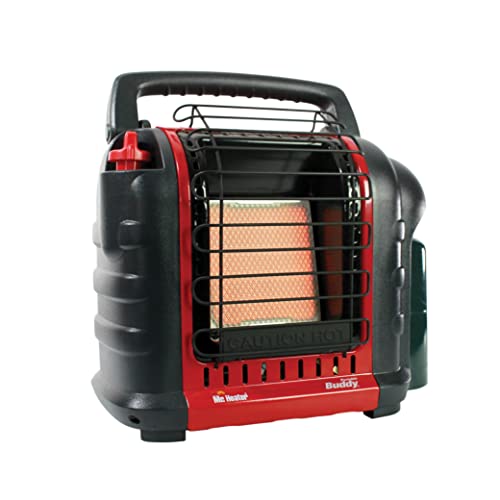
The Mr. Heater MH9BX Portable Buddy delivers powerful radiant heat with adjustable output ranging from 4,000 to 9,000 BTU. It is designed to warm spaces up to about 225 square feet, making it suitable for small rooms, cabins, workshops, or dorm-style spaces. The infrared heating heats objects and people directly for fast comfort, which can be especially helpful in drafty or poorly insulated areas.
Safety and reliability are central to this unit. An enhanced tip-over safety switch engages if the heater is jostled or tipped, providing peace of mind in busy spaces or during activities with movement. Ignition is quick and simple thanks to a durable Piezo igniter—no matches or lighters required. The device operates on propane and requires no external power source, making it a versatile option for off-grid or backup heat.
Portability is another benefit. The Buddy is compact enough to move between rooms or job sites, and its indoor-safe design makes it a practical choice for temporary heat on patios, workshops, or camping setups. The combination of radiant warmth, safety features, and reliable ignition supports flexible use in various environments without complex installation.
ProCom MN300TBA-B Ventless Blue Flame 30,000 BTU

The MN300TBA-B is a ventless natural gas space heater delivering up to 30,000 BTU, capable of warming spaces up to about 1,400 square feet. Its blue flame technology focuses heat where people are, while a built-in thermostat provides high, medium, and low heat settings to tailor comfort. The unit’s ventless design makes it flexible for living rooms, offices, or larger enclosed spaces where venting isn’t feasible.
Installation versatility is a hallmark. The heater includes hardware for wall mounting and base feet for freestanding use, offering options depending on room layout. With thermostat control and a clean, modern profile, it fits many interior aesthetics while providing consistent warmth. Vent-free operation requires proper room ventilation to ensure safe operation and comfortable air quality.
ProCom MN300TPA-B Ventless Infrared 30,000 BTU

The MN300TPA-B is a ventless natural gas infrared heater offering 30,000 BTU to heat spaces up to 1,400 square feet. Infrared technology warms objects and people first, delivering fast, comfortable heat without heating the entire air volume immediately. It includes a thermostat control that enables High/Medium/Low settings, giving precise control over temperature and energy use. The kit includes wall-mount hardware and base feet for easy installation in homes or offices seeking a sleek, space-saving solution.
As with ventless appliances, proper room ventilation remains important to maintain indoor air quality. The infrared design minimizes air movement while delivering steady warmth, which can be advantageous in living rooms, studios, or larger bedrooms where quiet, consistent heat is desired. The unit’s compact profile pairs well with modern interiors while offering substantial heating output.
Dyna-Glo IR30NMDG-1 Infrared Wall Heater

The Dyna-Glo IR30NMDG-1 is a 30,000 BTU natural gas infrared wall heater designed to heat spaces up to about 1,000 square feet. Infrared technology radiates heat to objects and people, providing a sun-like warmth that can quickly raise comfort levels in living rooms, dens, or large bedrooms. The unit is labeled as Natural Gas Ready, with fuel conversion not permitted, so installation follows the specified gas source. This wall-mount option offers a space-saving approach for permanent heating in larger interior zones.
With infrared warmth as its core, this heater emphasizes steady, comfortable heat rather than blasting air. It’s suitable for rooms where a low-profile, semi-permanent heating solution is preferred. For spaces where a durable wall-mounted heater is desired, the IR30NMDG-1 provides a robust option with sizable BTU output and reliable infrared performance.
Bluegrass Living B18TPIR-BB Vent Free Infrared 18,000 BTU

The Bluegrass Living B18TPIR-BB is a vent-free infrared space heater delivering 18,000 BTU and heating up to roughly 950 square feet. It features a built-in thermostat that cycles heat to maintain the desired temperature, promoting steady comfort without excessive cycling. The 99.9% efficiency rating highlights its energy-conscious design, while a blower helps distribute warm air more evenly across a room. Base feet are included for stable freestanding installation, making it suitable for living rooms, garages, or workshops where venting is not available.
As a vent-free option, this heater emphasizes convenience and immediate warmth. It presents a compact, practical solution for spaces where ducting or venting would be impractical, and it pairs well with existing interior layouts that benefit from quiet infrared warmth and dependable thermoregulation.
Buying Guide
Key considerations help determine which gas space heater fits a given space and lifestyle. The following factors cover common questions across the five models above and similar products.
- Room size and BTU needs: Larger spaces generally require higher BTU outputs. Match the heater’s BTU range to the room’s square footage and insulation level to avoid under- or over-heating.
- Ventless vs. vented design: Ventless units offer flexible placement and easier setup but require proper room ventilation. Vented heaters (where applicable) vent exhaust outdoors, which affects installation options and location.
- Fuel type and availability: Propane heaters are portable and useful for off-grid or semi-outdoor use, while natural gas models require a fixed gas line. Consider supply access, fuel costs, and storage needs.
- Thermostat and controls: Built-in thermostats and multiple heat settings improve comfort and energy efficiency. Check whether a model supports High/Medium/Low or precise digital control.
- Ignition type and power needs: Piezo ignition provides ignition without matches or batteries, but some units rely on electrical ignition or continuous power for fans. Assess reliability and maintenance requirements.
- Safety features: Look for tip-over switches, automatic shutoffs, and oxygen depletion sensors where available. A robust safety system reduces risk in occupied spaces.
- Installation options: Wall mounting, base feet, or freestanding designs affect placement and clearance. Verify required clearances from walls, furniture, and combustible materials.
- Energy efficiency and running costs: Infrared and blue flame technologies differ in heat delivery and energy use. Consider how quickly heat is delivered and how well heat is retained in the space.
- Altitude and climate considerations: Some models note performance at higher elevations. If you live in a mountainous or high-altitude area, verify BTU efficiency and safe operation limits for your locale.
- Maintenance and durability: Look for durable components, easy maintenance access, and availability of replacement parts to ensure long-term reliability.
In summary, choosing the right gas space heater involves balancing space size, ventilation, fuel availability, and comfort features. The five models reviewed here illustrate a range of options—from portable propane appliances to wall-mounted infrared units—each designed to deliver consistent warmth while prioritizing safety and efficiency. Always follow manufacturer installation and operation instructions, and ensure adequate ventilation for ventless designs.