White oak floors feature a striking grain and color variation that responds differently to stains and finishes. Choosing the right product protects the wood, enhances grain, and fits your maintenance routine. This guide focuses on five finishes and restoration products well suited to white oak, including traditional oil-based stains, durable water-based finishes, a grain filler for pore-filled looks, and a floor restorer for periodic refresh. Each option has a distinct role in color, durability, and upkeep. The summary table below highlights the five selected products, followed by in-depth sections on application tips and best-use scenarios.
| Product | Brand | Type | Best For |
|---|---|---|---|
| Minwax Golden Oak Wood Finish | Minwax | Oil-based stain | Deepened golden oak color and grain clarity |
| Howard Restor-A-Finish Golden Oak | HOWARD | Finish restorer | Restoring faded finishes and blending blemishes |
| Goodfilla Water-Based Wood & Grain Filler | Goodfilla | Water-based grain filler | Pore filling for white oak before finishing |
| Howard Restor-A-Finish Dark Oak | HOWARD | Finish restorer | Restoring dark oak tones and minor blemishes |
| Rejuvenate Wood Floor Restorer | Rejuvenate | Floor restorer/polish | High-gloss refresh and protection |
Minwax Golden Oak Wood Finish
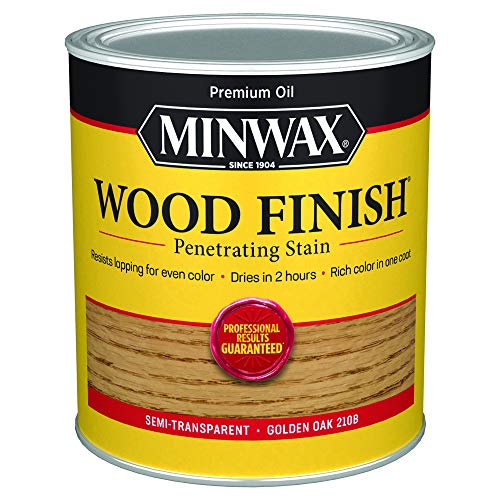
Minwax Wood Finish is a deep-penetrating oil-based stain designed to provide a rich, even color while highlighting the natural grain in one coat. The product is ideal for interior staining projects, including floors, furniture, cabinets, and doors, delivering a warm golden oak tone when applied to white oak floors. Its oil-based formula allows color to seep into wood pores and emphasize grain detail, creating classic, timeless aesthetics. The stain’s rich color helps unify variations in white oak, especially on floors with natural character. For many projects, one coat paired with a protective topcoat yields durable results for living spaces with moderate traffic.
Key application notes emphasize ease and speed: it deeply penetrates pores within about five minutes, reducing the risk of lap marks. It dries to a hard, durable color within roughly two hours, enabling same-day progress on finishing schedules. To apply, use a lint-free cloth or a stain brush along the grain, then wipe away excess after 5–15 minutes. The longer you wait, the darker and richer the result. For deeper color, additional coats can be applied after drying. After staining, a clear topcoat—such as a polyurethane—helps preserve the tone and protect the wood against wear.
Howard Restor-A-Finish Golden Oak

Restor-A-Finish is a finish-restoring product designed to rejuvenate wood finishes while blending out minor blemishes, scratches, and uneven coloration. The Howard formula is versatile up to several wood tones and is available in nine colors, including Golden Oak, to match most oak finishes. The wipe-on, wipe-off process makes it a convenient option for quick touch-ups on floors, furniture, trim, and other finished wood surfaces. While it won’t replace a full refinishing job, it can restore luster and even tone on worn areas without heavy sanding.
In practice, Restor-A-Finish works best on lightly worn finishes that still show a base coat. Apply a small amount with a clean cloth, wipe in the direction of the grain, and remove excess promptly. It’s particularly useful for spot repairs on white oak floors where lightly faded areas or small scratches are visible. For larger color corrections or extensive wear, a full sanding and reapplication of a topcoat may be warranted. The product’s color options help you blend repairs with surrounding wood for a seamless appearance.
Goodfilla Water-Based Wood & Grain Filler

This trowel-ready water-based filler is designed for professional woodworkers and DIYers alike. It does not shrink, sink, or crack, and it adheres exceptionally well to wood surfaces. The filler accepts any finish or stain and can be mixed with pigments, tint, stain, or dye to match the exact color you want on white oak. A standout feature is its zero-VOC content, which makes it a greener choice compared with solvent-based alternatives. The product’s freeze-thaw stability and unlimited shelf life mean you can stock up without worrying about loss of effectiveness, and it reconstitutes with water if you need to adjust consistency.
Goodfilla’s filler is particularly advantageous for white oak floors because it can smooth out open pores before staining or finishing. When applied correctly and allowed to cure, it yields a uniform surface that reduces grain prominence and creates a more even stain uptake. Sanding is typically required after curing to create a perfectly smooth base for topcoats. Because the filler accepts stains and dyes, you can tailor the look to either highlight grain or minimize it for a sleeker finish. This product is a strategic tool for achieving a professional, durable result on porous white oak.
Howard Restor-A-Finish Dark Oak

Restor-A-Finish Dark Oak follows the same restoration concept as the Golden Oak variant, offering a color-graded option to match darker oak tones. This product is part of a nine-color lineup designed to blend with various oak finishes and to restore luster after wear. The wipe-on, wipe-off process remains simple and quick, making it a practical choice for touch-ups on floors, trim, and furniture with dark tones. Like Golden Oak, it’s best used on surfaces that still have some original finish to blend seamlessly rather than on bare wood. When used correctly, it can significantly improve uniformity and appearance without a full refinishing job.
For white oak floors experiencing scratches, wear patterns, or slight fading in darker areas, Restor-A-Finish Dark Oak provides a targeted restoration approach. It’s especially useful in maintenance routines where you want to refresh color and gloss without removing existing coats. If color matching is a priority, test in an inconspicuous area first to ensure the shade blends with surrounding boards. This product complements other finishing steps, such as a topcoat, to protect the repaired areas over time.
Rejuvenate Wood Floor Restorer

Rejuvenate Wood Floor Restorer is a professional-grade solution designed to restore and polish wood floors with a durable finish. This product is applied in a single coat, filling in scratches and reviving a dull surface with a high-gloss look. The formula prides itself on compatibility with most finished wood floors and a mop-on application that simplifies the process for DIYers. It is marketed as low-odor and non-toxic, making it a practical option for homes with kids or pets. The restorer is particularly suitable for older floors that have lost their luster and require a refreshed protective layer.
When planning a refinishing workflow, Rejuvenate serves as a finishing touch after a proper cleaning and light sanding of the floor’s surface. It’s not a stain and does not alter the color significantly, but it does enhance sheen, depth, and protection. For best results, follow the product instructions about surface preparation and drying times. It is most effective on floors that have an existing, intact finish and can help extend the time between more invasive refinishing projects while preserving the white oak’s natural beauty.
Buying Guide
Key purchase considerations
- Finish type and purpose: Oil-based stains like Minwax add color and grain depth; water-based finishes and restorers provide easier clean-up and lower odor. Decide whether you want to change color, restore existing tone, or add a protective topcoat.
- Grain and pores: White oak has pronounced pores that can look uneven after staining. Consider using a grain filler (like Goodfilla) before staining or finishing to achieve a smoother surface and more uniform color.
- Restoration versus refinishing: For minor wear, Restor-A-Finish products can refresh tone and gloss without full sanding. For deeper wear or dramatic color change, plan a full refinishing approach with proper sanding and a topcoat.
- Color matching: If you’re aiming for a consistent look across rooms, choose colors that align with your existing floor or the desired shade. Test color in an inconspicuous area before committing.
- Topcoat compatibility: After staining or restoring, you’ll typically need a durable topcoat. Oil-based or water-based polyurethanes offer different durability and odor profiles; select one that fits your room’s use and climate.
- VOC and odor considerations: Water-based products (like Goodfilla filler and many finishes) generally emit lower odors and have easier cleanup, which can be important for busy households.
- Application tools and technique: Cloths, brushes, or pad applicators affect the finish’s appearance. Follow directions for grain-direction application and drying times to avoid lap marks or uneven color.
Product comparisons
- Color control: If you want a specific oak tone, stains like Minwax Golden Oak offer clear color impact, while restorers (Howard) focus on blending and restoring existing color.
- Grain handling: For highly open grain on white oak, fill first (Goodfilla) to achieve a smoother surface before adding color or sealant.
- Maintenance: For ongoing maintenance, a restorer (Rejuvenate) provides a quick gloss lift, while a full finish (Minwax Ultimate Floor Finish) offers long-term protection but may require more prep.
Choosing the right finish for white oak floors depends on whether your priority is changing color, restoring gloss, smoothing grain, or ensuring long-term protection. The five products highlighted here cover a range of needs—from color-changing stains to restoration and pore-filling options—so you can tailor a plan that fits your floor’s current condition and your maintenance expectations. Always perform a test on a small area before committing to full-floor use to avoid unexpected results.