Using the right deck treatment for pressure treated wood is essential to extend the life of outdoor structures, prevent decay, and keep boards looking good year after year. This guide highlights five top products that address prep, treatment, moisture resistance, and long-term protection. Each option offers unique advantages for different climates and maintenance routines. Read on to compare concentrates, sealers, and cleaners that work with pressure treated lumber and help you build lasting outdoor spaces.
| Product | Brand | Type | Key Benefit |
|---|---|---|---|
| Tenino Copper Naphthenate 17% | Tenino | High-concentration copper naphthenate for end-cuts and treated lumber | |
| Cedarcide Cedarshield | Cedarcide | Moisture barrier; fast drying; versatile on all wood types | |
| Tall Earth Eco-Safe Wood Treatment | Tall Earth Wood Preservatives | Non-toxic, long-lasting penetration and bond | |
| VALHALLA Wood Preservatives | VALHALLA WOOD PRESERVATIVES | Non-toxic, lifetime treatment with natural substances | |
| Smart BioHemp Plant-Powered Protectant | Smart BioHemp | Eco-friendly, UV and water protection |
These products cover the spectrum from deep-preservation for cut ends to protective barriers and eco-friendly sealants. Use them in combination with proper surface cleaning and yearly inspections to maximize the lifespan of pressure treated decks.
Tenino Copper Naphthenate 17% – High-Concentration Wood Preservative

Tenino Copper Naphthenate 17% (2% as copper metal) is a ready-to-use wood preservative designed for end-cuts of pressure-treated lumber, meeting AWPA M4 standards. It is a high-concentration formula that provides enhanced protection against decay and fungal growth while staying within low VOC limits. The product emphasizes domestic sourcing from recycled copper and reclaimed by-products, aligning with environmentally conscious maintenance plans. It’s commonly used on exposed or cut ends where moisture exposure is highest, helping extend deck life by reducing moisture ingress at vulnerable points.
Key considerations: suitable for end-cuts and treated lumber; low VOC; meets building code requirements (IBC and IRC); designed to be used as a preservative barrier in pressure-treated wood. If applying to outdoor decks, ensure proper ventilation during application and follow finish recommendations for subsequent coatings. This product works well in climates with high moisture or where end-cuts are exposed to the elements.
DeckMAX Concentrated Deck Cleaner And Mildew Remover

DeckMAX is designed as a powerful deck cleaner and mildew remover for wood and composite surfaces. While primarily a cleaning product, it’s a critical prep step before applying any protective treatment on pressure-treated wood. The concentrate targets black and green stains, mold, and built-up grime, helping restore the deck’s surface and improve adhesion for subsequent sealants or preservatives. It covers large areas—up to about 1,500 square feet—providing a cost-effective option for sizable decks. It’s formulated without harmful VOCs and is safe for families, pets, and surrounding vegetation when used as directed.
Best practices: use before applying wood preservatives or sealants to maximize absorption and uniform protection. For best results, scrub the surface and rinse thoroughly, allowing the deck to dry completely before applying treatment products.
Cedarcide Cedarshield – Non-Toxic Wood Treatment And Stabilizer

Cedarcide Cedarshield is a versatile wood treatment and stabilizer designed to protect a wide range of wood types, including cedar, oak, and pine. It creates a moisture-resistant barrier that helps prevent moisture intrusion, which is a leading cause of wood decay in decks. The product touts fast drying times (about 72 hours) to minimize downtime between projects. Its universal applicability makes it suitable for fences, decks, garden boxes, and outdoor furniture. By reducing moisture uptake, Cedarshield contributes to longer service life and less maintenance over time.
Considerations: assess wood condition before application; recoat intervals may depend on climate and exposure; ensure good surface preparation for best penetration and bonding. This product is appealing for homeowners who want a non-toxic option with a quick turnaround for outdoor projects.
Kärcher Wood Fence & Deck Cleaner
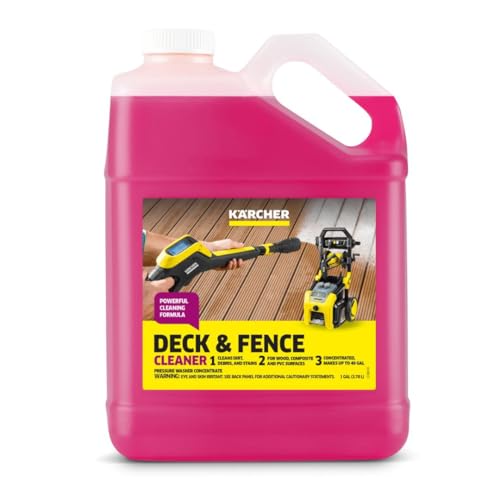
Kärcher’s Wood Fence & Deck Cleaner is a highly concentrated detergent designed for pressure washers, making it ideal for deep cleaning before treatment. It removes dirt, grime, and iron marks and can yield up to 40 gallons of cleaner. This product is targeted at heavy-duty cleaning tasks on wood, composite, and PVC surfaces and rinses away residue efficiently. For deck projects, a clean surface improves the effectiveness of subsequent preservatives and sealants. It’s especially useful for restoring the appearance of weathered or heavily soiled wood before applying protective coatings.
Usage tips: follow up with a thorough rinse and allow the wood to dry before applying any treatment products. Consider pairing with a dedicated deck preservative for long-term maintenance.
Smart BioHemp Plant-Powered Protectant

Smart BioHemp Plant-Powered Protectant is a plant-powered treatment designed to protect wood from water and UV damage. This product is positioned as an eco-friendly option with USDA Bio-Preferred certification, combining sustainability with durable, long-lasting protection. The formula emphasizes deep penetration and moisture resistance while maintaining a biodegradable profile. Coverage is listed as 75-100 square feet per quart, making it suitable for smaller decks or touch-up work. It’s a modern choice for homeowners seeking lower environmental impact without sacrificing performance in outdoor environments.
Considerations: verify compatibility with pressure-treated lumber and any existing finishes. In climates with strong sun exposure or high moisture, reapplication intervals may be more frequent to sustain protective benefits.
Buying Guide: Key Purchase Considerations For Pressure-Treated Wood Decks
To choose the right products for a pressure-treated deck, consider the following factors that influence performance, safety, and value:
- Purpose and stage of maintenance – Determine whether you need strong preservatives for end-cuts, a moisture barrier, or a prep cleaner to improve finish adhesion. Use cleaners before applying preservatives for optimal results.
- Wood condition and exposure – New pressure-treated boards may require penetrating sealants, while seasoned wood or decks exposed to heavy moisture can benefit from moisture barriers and UV protection.
- VOC and environmental impact – If indoor air quality or environmental concerns are important, prioritize low-VOC products and eco-friendly formulations, such as plant-powered protectants.
- Drying time and weather considerations – Fast-drying products reduce project downtime, but ensure proper environmental conditions for curing before the next coat or foot traffic.
- Compatibility with existing finishes – Some treatments are designed to pair with specific sealants or paints. Check manufacturer recommendations to ensure adhesion and longevity.
- Application scope and coverage – For larger decks, consider concentrates and products that provide wide coverage per gallon to reduce overall cost and labor.
- Code compliance and safety – Some treatments may be required or recommended by building codes in certain regions, especially for end-cuts and treated lumber. Verify local requirements.
How To Build A Balanced Deck Maintenance Plan
Start with a thorough cleaning to remove grime and mildew. Follow with a treatment that matches your exposure and wood type, such as a penetrating preservative or moisture barrier for pressure-treated boards. For long-lasting protection, reapply every few years or as recommended by the manufacturer, and periodically inspect for cracked boards, loose fasteners, and surface wear. When weather conditions are favorable, apply treatments in the shade with adequate air movement to ensure proper drying and curing.
In summary, the best deck care strategy combines surface cleaning, proper end-cut treatment, moisture protection, and eco-friendly options where possible. The five products highlighted above offer a spectrum of approaches—from high-concentration preservatives and rapid-drying stabilizers to plant-powered protectants—to help you tailor a deck maintenance plan that fits your climate, budget, and environmental preferences.