Corrugated translucent roof panels offer a lightweight, durable option for improving natural light while protecting spaces from the elements. This guide highlights five well-suited choices for homeowners and professionals seeking clear or lightly tinted visibility, easy installation, and reliable thermal performance. Each option targets a common need—greenhouses, patios, carports, or sheds—so you can pick the best panel for your project and climate.
The top picks below were selected for their combination of light transmission, ease of use, weather resistance, and versatility. Use the brief buying table to compare core traits at a glance, then dive into each product section for specifics on best use cases and potential limitations.
| Product | Brand | Best For | Key Benefit |
|---|---|---|---|
| Clear Corrugated Plastic Roof Panels | DHDHSHB | Greenhouses, Pergolas, Patios | High transparency and easy interlocking |
| Altovexis Polycarbonate Roof Panels | Altovexis | Daylight-canopy, Outdoor sheds | 80% light transmittance with easy cut and splice |
| Suntuf Corrugated Roof Panel | Suntuf | Residential roofing projects | Clear, durable polycarbonate for long-term use |
| Quibbay Twin-Wall Panels | Quibbay | Greenhouses, Replacements | UV protection and strong insulation |
| KDDEON Corrugated Roof Panels | KDDEON | Greenhouses, Canopies | High UV-blocking transmittance and weather resilience |
Clear Corrugated Plastic Roof Panels For Pergolas
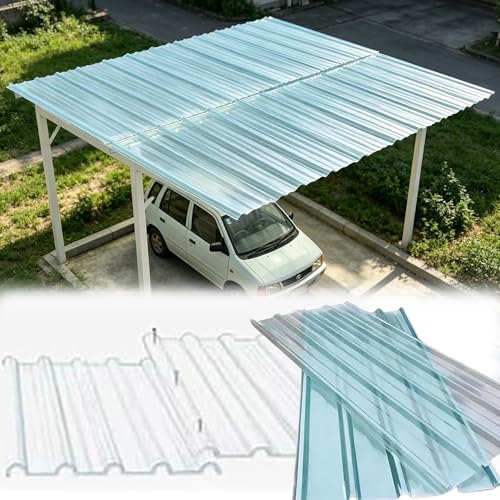
The DHDHSHB Clear Corrugated Plastic Roof Panels are built from 1 mm polycarbonate, offering high transparency (up to about 80% light transmission) and a lightweight footprint. Designed for quick unfolding or rolling, they interlock seamlessly in configurations of 2, 6, or 10 sections, making them ideal for pergolas, carports, or patio covers. The panels are easy to cut with scissors and can be trimmed to custom shapes without cracking. Best for gardeners seeking strong light transmission to support photosynthesis while protecting plants from weather.
Who this is best for: home gardeners and DIY builders who want fast installation and easy trimming without specialized tools. Why selected: this product prioritizes light transmission and simple assembly, which helps sun-loving plants perform well while reducing labor. Caution: the 1 mm thickness is relatively thin for heavy snow loads or high-impact conditions, so consider layout and local weather when planning supports.
Altovexis Clear Polycarbonate Roof Panels

Altovexis panels emphasize easy splicing and wide compatibility for greenhouse canopies and shed coverings. Made from clear polycarbonate with a 1 mm thickness, these sheets boast up to 80% light transmittance and a design that allows seamless joining of adjacent panels. They’re flexible for curved installations and can be cut with scissors for a tailored fit. Best for: quick, transparent daylighting with reliable light diffusion, especially in portable or modular greenhouse setups. Caution: thinner profiles may require additional framing to ensure long-term stability in windy areas.
Why selected: the kit’s splicing-friendly design reduces gaps and drafts, while the 1 mm thickness keeps panels light for easy handling. Choose this if you need uniform daylight and straightforward field modification. Avoid this if you expect heavy snow loads or severe hail; consider thicker or laminated alternatives in harsher climates.
Suntuf Corrugated Polycarbonate Roof Panel

Suntuf panels are a recognized option for residential roof projects, offering clear polycarbonate that combines durability with long service life. The corrugated profile provides rigidity and effective water drainage, helping to prevent leaks while letting natural light in. This choice is best for DIY roofing where a longer-lasting alternative to acrylic or glass is preferred. Caution: availability often centers on standard sizes; custom cuts may require professional fabrication in some markets.
Who this is best for: homeowners and contractors needing a dependable, clear roof panel with proven longevity. Why selected: Suntuf’s established track record and straightforward installation make it a reliable default for straightforward roof installs. Better for larger, flatter spans where sheet rigidity and drainage are advantageous. Avoid this if you require ultra-flexible panels for irregular shapes—quicker bends may be harder with rigid sheets.
KDDEON Corrugated Roof Cladding Panels

KDDEON’s corrugated panels are designed for sunrooms, greenhouses, and carport coverings, with a resin and fiberglass composition that emphasizes weather resistance and high load-bearing capacity. The design includes a longitudinal groove for improved drainage, reducing water accumulation and noise during rain. Light transmittance is high (around 89%), balancing brightness with UV blocking for plant protection. Best for: climates with varied weather where quiet rain and steady light are priorities. Caution: while durable, panels can be heavier than simple polycarbonate sheets, affecting handling and support requirements.
Why selected: this option blends robust weather resistance with strong UV control, which is useful in sun-soaked or high-heat areas. Choose this if you need reliable performance in sunny conditions and can accommodate stronger framing. Avoid this if your project is extremely budget-conscious or you’re replacing a small panel—there are lighter options available.
Buying Guide
What material should I choose for corrugated translucent panels?
Polycarbonate options are among the most common for homeowners due to high impact resistance, UV stability, and good light transmission. FRP (fiberglass-reinforced) panels can be lighter and more economical but may offer different longevity and thermal performance. Consider local weather, impact risk, and desired light levels when selecting material.
Which thickness is best for my project?
Thicker panels generally withstand higher wind and snow loads and can improve insulating properties. However, thicker panels are heavier and more costly. For areas with heavy snowfall or hail, prioritize panels around 1 mm or thicker and ensure proper framing. For lightweight installations like pergolas or decorative canopies, 0.8–1.0 mm options may suffice.
How important is light transmission?
Light transmission affects plant growth in greenhouses and the overall ambiance of covered patios. Most panels offer 80% or higher transmission, which is typically sufficient for plant health and daylighting. If you need diffuse light or sun protection, look for panels with UV inhibitors and potential tint options.
What installation considerations matter?
Interlocking or seam designs reduce gaps and water intrusion. A crisscross or panel-by-panel approach can help with custom shapes. Ensure you have compatible fasteners, gaskets, and framing to support the panel thickness and local wind loads. Some panels can be cut with scissors, which simplifies field fabrication but may require clean edges and safety precautions during cutting.
How do these panels perform in heat and cold?
Most translucent panels are rated to operate in a wide temperature range, often from -40°C to 120°C. Polycarbonate generally maintains rigidity and clarity across this range, while fiberglass-reinforced options may resist warping better under temperature extremes. Consider whether your space experiences significant temperature swings and choose a product rated for those conditions.
Frequently Asked Questions
- Are corrugated translucent panels more expensive than glass? They typically cost less per square foot and are lighter, easier to install, and less prone to shattering, though long-term costs depend on thickness and material.
- Can I install these panels myself? Yes, most are designed for DIY installation with basic tools. Some panels require more precise cutting or professional assistance for large projects.
- How do I prevent leaks at panel joints? Use interlocking designs, proper seals, and overlapping edges. Follow manufacturer recommendations for gaskets and fasteners to minimize water intrusion.
- Do these panels block UV or heat? Most panels block a portion of UV light and provide some insulation. Look for UV inhibitors and thermal performance specifications when choosing.
- Are there color options beyond clear? Yes, many panels offer clear or tinted/translucent options. Tints can reduce glare and heat while maintaining daylighting.
- How long do these panels typically last? Durability depends on material and climate. Polycarbonate often resists impact well and maintains clarity, while fiberglass-reinforced panels provide strength but may require more maintenance in extreme weather.