Condensing combi gas boilers deliver space-saving warmth, high efficiency, and reliable hot water on demand. This guide highlights five top models from a leading brand, detailing core features, energy performance, and installation considerations. Ideal for homes seeking compact equipment that reduces both footprint and energy bills, these units combine advanced burner technology with smart controls for precise comfort. Read on to compare capabilities and find the best fit for your heating needs.
| Product | BTU | Key Benefit |
|---|---|---|
| Rinnai i150SN | 150K | High-capacity whole-home heat with multi-zone control |
| Rinnai i060CN | 60K | Compact unit with integrated DHW plate heat exchanger |
| Rinnai i090CN | 90K | Balanced home heating and hot water supply |
| Rinnai i060SN | 60K | Efficient space-saving design with smart features |
Note: All models support wall-mount installation, stainless-steel heat exchangers, and digital interfaces for easy parameter adjustments, making them suitable for US homes looking to optimize year-round comfort.
Rinnai i150SN Condensing Gas Boiler
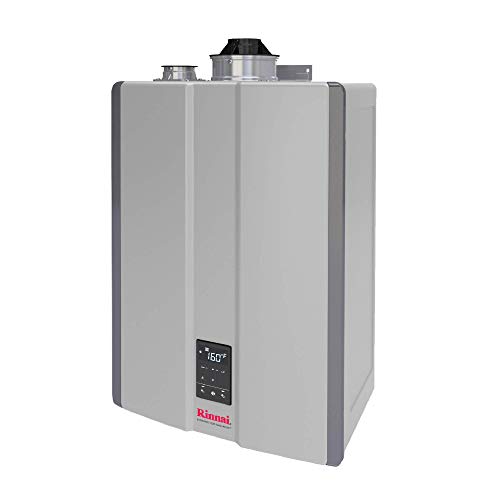
The Rinnai i150SN combines whole-home heating with space-saving design. Its stainless-steel heat exchanger and modulating wire mesh burner deliver energy-efficient warmth, while smart features enable multizone control and direct connections to thermostat pumps. A compact wall-mount unit supports easy installation and lightweight serviceability. The system includes a digital main screen for temperature and pressure, an outdoor reset sensor, and user-friendly parameter settings for CH and DHW ranges, helping optimize comfort and efficiency across daily use.
Rinnai i060CN Condensing Gas Boiler
The i060CN offers whole-home heating plus an integrated domestic hot water plate heat exchanger for showers and faucets. Its stainless-steel heat exchanger and modulating burner ensure dependable performance, while smart features support multizone control and safe operation with a child-lock that prevents accidental overheating. The easy interface displays current temperature and pressure, and an outdoor reset sensor enables precise climate management. Temperature targets span CH 104°F–180°F and DHW 98°F–140°F for flexible comfort control.
Rinnai i090CN Condensing Gas Boiler
The i090CN pairs robust home heating with a built-in domestic hot water plate exchanger to support showers and faucets. Its stainless-steel heat exchanger and modulating burner adapt to demand, while smart features enable multizone control and direct pump connections. The system’s digital interface makes it simple to monitor and adjust settings, with an outdoor reset sensor providing efficient seasonal performance. CH temperatures can be tuned from 104°F to 180°F and DHW from 98°F to 140°F for reliable comfort across usage patterns.
Rinnai i060SN Condensing Gas Boiler
The i060SN focuses on space efficiency and smart operation. With its space-saving form factor and stainless-steel heat exchanger, this boiler supports consistent whole-home heating and hot water delivery. Multizone control and thermostat integration help coordinate heating across rooms, while the wall-mount design simplifies installation. The user interface provides temperature and pressure readouts and easy parameter adjustments. CH temperature is adjustable from 104°F to 180°F, and DHW from 98°F to 140°F, enabling tailored comfort with high efficiency.
Buying Guide: Key Considerations For Condensing Combi Gas Boilers
Choosing the right condensing combi gas boiler involves evaluating heat output, efficiency, installation constraints, and domestic hot water needs. Consider the following perspectives to balance performance and value.
- Household demand: Match BTU ratings to peak heating load and hot water needs. Higher BTU units provide stronger performance for larger homes, while smaller spaces benefit from 60K–90K BTU models.
- Space and installation: Condensing boilers are typically wall-mounted for compact spaces. Confirm clearance, venting requirements, and mounting options with a licensed installer.
- Efficiency and operating costs: Look for high annual fuel utilization efficiency (AFUE) ratings and modulating burners, which adjust output to demand, reducing waste.
- Smart features and controls: Multizone control, programmable thermostats, outdoor reset sensors, and easy digital interfaces improve comfort precision and energy savings.
- Domestic hot water capacity: If the home frequently uses hot water, assess whether a built-in DHW plate heat exchanger meets shower and faucet demand without compromising space efficiency.
- Safety and maintenance: Features such as safety locks, service accessibility, and clear diagnostic displays help keep systems running reliably and safely.
- Warranty and service support: Consider brand reputation, regional technician availability, and warranty terms to reduce long-term risk.
Performance And Longevity Considerations
Condensing boilers recover more heat from exhaust gases by using a secondary heat exchanger, which generally reduces fuel consumption and emissions compared with non-condensing models. When selecting a unit, verify compatibility with your existing heating system, including tankless water heaters and zone controls. Routine maintenance, including vent inspection and heat exchanger cleanliness, preserves efficiency and extends longevity.
Installation And Operating Environment
Installation should be performed by a licensed professional. Verify venting options (direct-vent, concentric venting, or side-wall venting) and ensure adequate combustion air. In colder climates, outdoor reset sensors help optimize performance by adjusting temperatures based on ambient conditions, while digital displays simplify monitoring and parameter adjustments during seasonal changes.
Energy Savings And Return On Investment
Although initial installation costs can be substantial, condensing combi boilers typically deliver fast payback through reduced gas consumption and improved hot water delivery. Smart controls and multi-zone capabilities further optimize efficiency, especially in homes with variable occupancy or multiple living zones. In regions with high utility rates, energy savings can significantly offset upfront costs over the system’s lifespan.
Maintenance Expectations
Regular maintenance includes annual inspections, vent and condensate drain checks, and thermostat calibration. Keeping the heat exchanger clean and ensuring proper venting prevents efficiency losses and potential malfunctions. Most units feature digital diagnostics that aid technicians in diagnosing issues quickly, reducing downtime.
Summary Of Featured Models
- Rinnai i150SN: High capacity for larger homes, advanced multi-zone control, and smart integration.
- Rinnai i060CN: Built-in DHW plate exchanger for steady hot water supply, compact footprint.
- Rinnai i090CN: Balanced performance for mid-size homes with reliable DHW support.
- Rinnai i060SN: Space-efficient design with modern controls and safety features.
For homes prioritizing compact installation and precise control of heating and hot water, these Rinnai condensing combi boilers offer scalable options across different BTU ratings and family needs. Always consult a qualified installer to determine the best match for your climate, home size, and hot water usage pattern.