Choosing the right concrete color additive can transform plain mixes into durable, aesthetically pleasing surfaces. This guide highlights reliable color pigments and pigments-in-liquid formulas that resist fading, chipping, and wear. Read on to compare top options, how to use them, and factors that affect color outcome across concrete, mortar, stucco, and decorative overlays.
Summary of chosen products:
| Product | Brand | Color / Type | Format | Notes |
|---|---|---|---|---|
| Quikrete Concrete Colorant Bottle | Quikrete | Terracotta | 10 oz bottle | Colorant for concrete, mortar, sand, stucco; durable finish |
| Concrete Cement Pigment (Black, Red, Blue, Yellow) | Always Bright | Black, Red, Blue, Yellow | 0.33 lb / 50 g / 2 oz bottles | Iron oxide pigments for wide color range |
| Akona Concrete & Mortar Color | Akona | Buff (color pigment powder) | 10 oz jar | Ready to use; colors concrete and mortar |
| SureCrete SC Color Pack | Gray | SureCrete | Gray | 0.5 lb | Synthetic oxide pigment for overlays and casts |
| Quikrete Liquid Cement Color | Quikrete | Red | Liquid dye | Durable, easy to mix; USA manufactured |
Quikrete Concrete Colorant Bottle Terracotta

Quikrete’s 10 oz Terracotta colorant is formulated for use with concrete, mortar, sand, stucco, and other cement mixes. It is designed to mix into concrete to create durable, color-stable surfaces. The product claims resistance to fading, chipping, peeling, and wear, which is essential for high-traffic indoor or outdoor applications. It can be used in walkways, decorative slabs, or ready-mixed overlays. For best results, blend with the dry mix or add with water before incorporating into the mix, ensuring even distribution from the start.
Concrete Cement Pigment Color Powder (4 Colors)
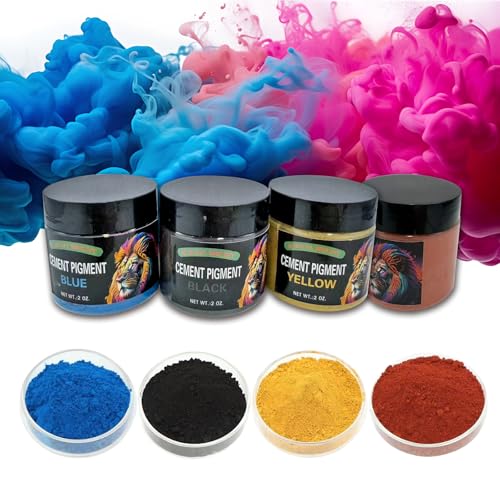
This pigment powder set includes multiple iron oxide colors for wide customization. Advantages highlighted include strong covering power and resistance to sun exposure and weathering. The powder is used by mixing with cement at a ratio typically around 1:25 pigment to cement, with precautions like wearing gloves and masks during handling. It is suitable for concrete, mortar, grout, plaster, or tile applications where consistent color throughout the material is desired. Color results depend on cement mix ratios and curing conditions.
Akona Concrete & Mortar Color – Pigment Powder
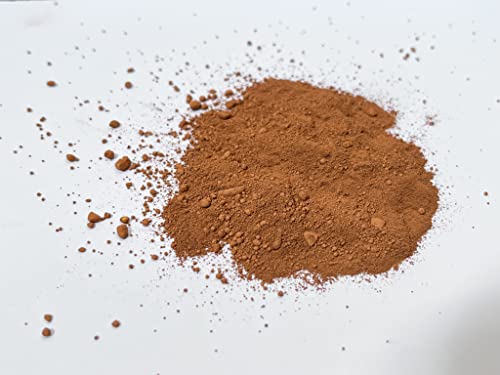
Akona offers a ready-to-use pigment powder with five color options. A single 10-ounce jar can color a standard 50-80 pound bag of concrete or mortar, providing a straightforward option for DIY projects or professional applications. The “less is more” guideline helps prevent overpowering color and ensures a uniform appearance across the finished surface. This product is particularly attractive for homeowners tackling small repair jobs or decorative projects where quick coloring is beneficial.
GOODTAKE Concrete Pigment – Green

GOODTAKE’s Green Iron Oxide pigment is part of a line designed for durability and easy integration with concrete, cement, mortar, grout, plaster, and related products. Each color is packaged in its own bottle, enabling color customization and easy storage for future projects. The pigment is described as waterproof, non-toxic, and capable of providing strong hiding power. Recommended mixing ratios typically range from 3% to 10% pigment by weight, though exact amounts depend on the target shade and mix type. Multiple colors can be blended to achieve custom tones.
SureCrete SC Color Pack Gray

The SureCrete SC Color Pack delivers a gray color option designed for overlays and casting products. It uses synthetic oxide pigments that are fade-resistant and compatible with various SureCrete products, including micro-toppings, patching, and finishing mixes. The packaging emphasizes 100% synthetic oxide pigments with no fillers, ensuring color stability across different environmental conditions. This color pack is suited for decorative overlays, floors, and resurfacing projects that require a consistent gray hue.
Quikrete Liquid Cement Color – Red

Quikrete offers a liquid cement color in red, designed to mix with cement-based products for a uniform shade. Liquid colorants are convenient for projects where adding pigments to dry mixes is impractical or messy. The red pigment is described as highly durable and easy to use, with production in the USA. When using liquid colorants, thorough mixing is essential to achieve even coloration throughout the mix, particularly in larger pours or complex shapes.
GOODTAKE Concrete Pigment – Black

Another option from GOODTAKE is black iron oxide pigment powder, suitable for cementitious materials requiring deep, rich tones. The pigment is marketed with similar properties as other GOODTAKE colors: easy coloring, high hiding power, water and UV resistance, and compatibility with a range of cement-based products. The recommended mixing ratio is typically in the 3–10% range, enabling consistent color while preserving workability and curing behavior. It is ideal for accent features, borders, or architectural details where a solid black or near-black hue is desired.
Buying Guide: Key Considerations When Choosing a Concrete Color Additive
Color additives should provide consistent, durable finishes while preserving workability and curing strength. Here are critical factors to weigh when selecting a product.
- Color stability and fade resistance: Look for pigments designed to resist ultraviolet exposure, water, and weathering. Iron oxide pigments are common for long-lasting color.
- Compatibility with mix type: Some pigments are intended for dry blends, others for liquid additions. Confirm compatibility with concrete, mortar, stucco, or overlays you plan to color.
- Pigment concentration: Higher pigment loading can yield richer colors but may affect workability. Start with recommended ratios and adjust gradually.
- Mixing method: Powder pigments require thorough integration with cement; liquid pigments demand even dispersion. Use appropriate mixing tools and follow safety guidelines.
- Environmental and safety considerations: Wear gloves and masks when handling powders; ensure proper ventilation when using liquids or sprays.
- Color range vs. project scale: For large pours or professional applications, consider a color system with multiple tones to achieve uniform appearance across slabs or floors.
- Finish and performance: Some pigments are optimized for overlays or trowelable finishes, while others suit standard concrete mixes. Choose based on the final texture you want.
- Storage and longevity: Packaged pigments should remain stable in sealed containers; reuse leftover pigment for future projects if color consistency is a priority.
In practice, the most reliable approach is to select a color system that aligns with your project type (indoor/outdoor, decorative slab, or repair work), and then perform a small test patch to confirm the shade under actual curing conditions. Combining multiple products—such as a base pigment for even tone and a secondary shade for accent features—can yield a bespoke, durable result.