Exploring off-grid restroom solutions often means weighing odor control, ease of use, and space. Non-electric composting toilets offer reliable performance without needing a power source. This guide highlights five top options for vans, tiny homes, boats, and cabins, focusing on urine separation, manual operation, and compact design. Each product below is evaluated for installability, odor management, and maintenance in mobile or remote settings.
Summary of chosen products:
- Separett Weekend Prime Urine-Separating Compost Toilet — Non-electric, off-grid ready
- TROBOLO WandaGO Composting Toilet — Compact, adjustable seat, urine separation, no electricity
- Nature’s Head Self Contained Composting Toilet with Foot-Spider Handle — Classic, non-electric options
- Nature’s Head Self Contained Composting Toilet with Close Quarters Spider Handle Design — Enhanced accessibility and odor control
- TRELINO Evo S Gray Composting Toilet — Odorless, no water or power needed, compact for small spaces
Separett Weekend Prime Urine-Separating Compost Toilet
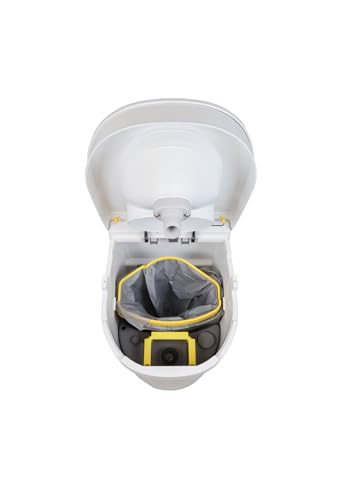
The Separett Weekend Prime is designed for off-grid use where electricity and water are unavailable. This non-electric model operates with a simple, fully manual design, relying on a proven Tiny frame structure that fits tight spaces in cabins, bunkers, or remote shelters. Its internal urine diversion reduces odor by separating liquids from solids, and the absence of fans or pumps simplifies maintenance in shelters with limited power sources. Optional urine tubing can facilitate external handling for larger setups.
TROBOLO WandaGO Composting Toilet

The TROBOLO WandaGO is a compact, lightweight, non-electric composting toilet with a urine-diverting design. It emphasizes a stable, spill-resistant system and a height-adjustable seat to accommodate different users. The absence of water and electricity makes it suitable for camping vehicles, tiny homes, and outdoor setups where power access is limited. The SafeShell System adds an extra layer of protection against odors and spills, supporting clean operation in mobile living environments.
Nature’s Head Self Contained Composting Toilet with Foot-Spider Handle

Nature’s Head is a long-standing name in composting toilets. This self-contained unit emphasizes a robust, non-electric approach with a foot-spider handle design for ease of use in tight spaces. It is built to minimize odor and optimize solid waste handling within a compact footprint, making it a popular choice for off-grid vans, tiny homes, and boats where simple mechanical operation is preferred. Installation flexibility is a key benefit, especially for DIY enthusiasts seeking a straightforward setup.
Nature’s Head Self Contained Composting Toilet with Close Quarters Spider Handle Design
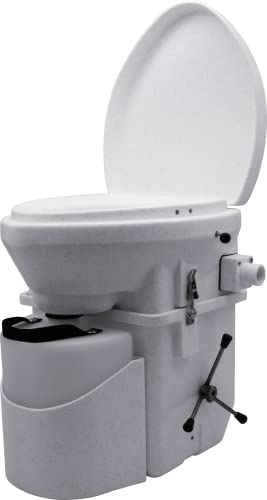
This variant focuses on close-quarters accessibility with a spider handle design and enhanced installation versatility. It emphasizes odor control, solid-liquid separation, and a seal that’s designed to minimize passive smells in small living spaces. The model is well-suited to compact van builds, RVs, and boats where space economy is crucial and electrical options are limited or avoided.
TRELINO Evo S Gray Composting Toilet

The TRELINO Evo S Gray is designed for flexible, off-grid applications with a focus on odorless operation and simple maintenance. It uses a dry, urine-separating approach and provides a compact footprint ideal for vans, tents, or small cabins. With a moderate capacity and straightforward manual processes, it appeals to users seeking a non-electric, easy-to-service solution for mobile living, camping, or temporary off-grid setups.
Buying Guide: Key Purchase Considerations
When selecting a non-electric composting toilet, consider durability, ease of use, space requirements, odor control, and maintenance needs. Here are several angles to weigh:
- Urine separation: Separating liquids from solids reduces odors and simplifies disposal. Choose models with built-in urine dividers or external collection options if you plan to travel with a liquid reservoir.
- Ventilation and odor control: Non-electric systems rely on design features like sealed chambers, natural convection, or carbon filtration. If odor is a critical concern, look for units with effective airflow paths and sealed lids.
- Capacity and maintenance: Compare waste-holding capacity and ease of emptying. Large or dual-chamber designs can reduce maintenance frequency for longer trips.
- Space and installation: For vans and tiny homes, measure floor-to-ceiling clearances and wall mounting options. Compact footprints and versatile mounting options improve adaptability.
- Materials and build quality: Durable plastics and corrosion-resistant components improve longevity in marine or damp environments. Check warranty terms and service availability.
- Reset and sanitation: Consider ease of cleaning, access to the waste container, and any required additives or composting materials. Simpler maintenance lowers the total cost of ownership.
- Off-grid compatibility: If electricity or water is scarce, prioritize models marketed as off-grid, non-electric, or battery-free options with manual operation.
In evaluating these five options, users should balance the need for odor control with the practicality of installation in their specific space. The listed models offer various approaches to urine separation, manual operation, and compact design suitable for off-grid living, tiny homes, and mobile lifestyles. Each choice below provides a non-electric path to a cleaner, more sustainable bathroom experience without reliance on power or complex plumbing.