College dorms demand compact, reliable refrigeration without sacrificing space or energy. The following picks focus on compact capacities around 1.6–3.2 cubic feet, adjustable temps, and quiet operation to fit study spaces, communal rooms, and small apartments. Below, five dorm-ready mini fridges are highlighted with key features to help you compare cooling performance, freezer space, noise levels, and energy use. Use this guide to find a dorm fridge that keeps drinks cold, snacks fresh, and late-night meals within reach.
Summary of selected products:
| Product | Brand | Capacity | Key Feature |
|---|---|---|---|
| Igloo 3.2 Cu.Ft. Single Door Refrigerator | Igloo | 3.2 Cu. Ft. | Separate freezer compartment |
| Upstreman 3.2 Cu.Ft Mini Fridge | Upstreman | 3.2 Cu. Ft. | Adjustable thermostat, quiet operation |
| Sweetcrispy 3.2 Cu.Ft Mini Fridge | Sweetcrispy | 3.2 Cu. Ft. | Energy-efficient, low noise |
| Frostorm 3.2 Cu Ft Mini Fridge | Frostorm | 3.2 Cu. Ft. | 0.35 cu ft freezer, reversible door |
| EUHOMY 3.2 Cu.Ft Mini Fridge with Freezer | E EUHOMY | 3.2 Cu. Ft. | Two-door fridge-freezer combo |
Igloo 3.2 Cu.Ft. Single Door Refrigerator
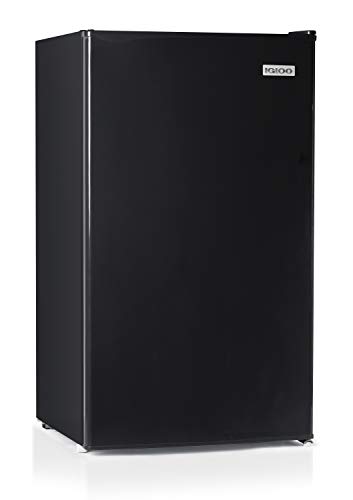
The Igloo model offers a spacious 3.2 cu ft capacity with a separate freezer compartment, making it well suited for dorm rooms that need both beverages and frozen items during study sessions. A slide-out glass shelf helps organize condiments, snacks, and small meals while maintaining easy access. The unit is designed for compact spaces and keeps a wide range of foods at safe temperatures, ideal for shared living spaces where reliability matters.
Upstreman 3.2 Cu.Ft Mini Fridge With Freezer
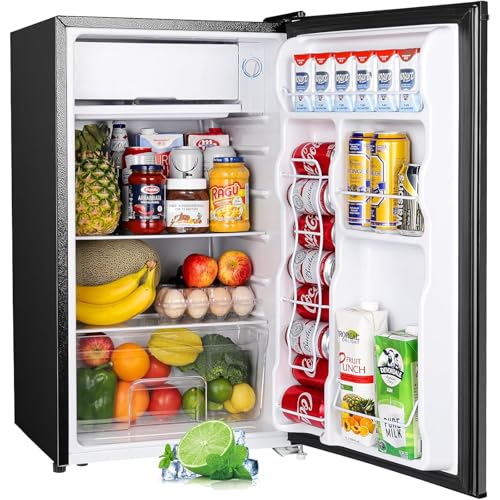
Upstreman’s 3.2 cu ft single-door design emphasizes space efficiency with a programmable temperature range from 33.8°F to 46.4°F and a separate freezer. It prioritizes quiet operation (low noise) and energy efficiency, aiming to reduce daily electricity use while delivering dependable cooling for beverages, snacks, and small frozen items. The compact footprint fits under desks or in dorm closets where floor space is limited.
Sweetcrispy 3.2 Cu.Ft Mini Fridge With Freezer

Sweetcrispy highlights a compact single-door layout with 3.2 cu ft total capacity, including a small freezer. It emphasizes energy efficiency and low operating noise, which is beneficial for dorm environments where quiet study is common. The five-level temperature adjustment and 33.8°F–44°F fridge range help keep beverages and snacks chilled while limiting energy use in a shared space.
Frostorm 3.2 Cu Ft Mini Fridge With Freezer

Frostorm combines a generous 3.2 cu ft total capacity with a dedicated 0.35 cu ft freezer compartment. It features energy-efficient operation (low daily kWh) and a reversible door for flexible placement in tight dorm corners. This model is suitable for students who want to store ice, frozen meals, and beverages in a compact unit without compromising storage space for groceries.
EUHOMY 3.2 Cu.Ft Mini Fridge With Freezer

EUHOMY’s two-door design provides both a fridge and a freezer in a compact footprint, totaling 3.2 cu ft. The 0.96 cu ft freezer zone is suitable for ice cream and frozen foods, while the 2.24 cu ft fridge area stores produce and drinks. A 3D cooling system with a 3-level temperature adjustment helps tailor the environment to different dorm needs, and the interior lighting assists in nighttime access.
Electactic 1.7 Cu.Ft Mini Fridge With Freezer
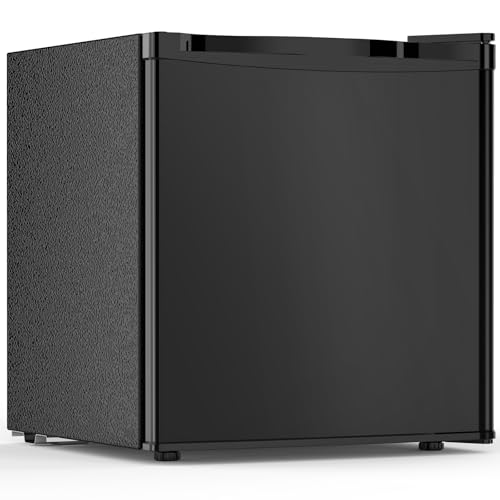
Note: This Electactic model emphasizes compact size and quiet operation, with a reversible door and energy-efficient performance. It suits ultra-tight dorm niches where even smaller footprints are necessary, while still offering a small freezer and storage shelf options for drinks and snacks.
Buying Guide: Key Purchase Considerations And Comparisons
Capacity and layout: For dorms, 1.6–3.2 cu ft is common. Single-door units save space and are easy to access, while two-door fridge-freezer combos provide separate storage for frozen items. Decide whether you need a dedicated freezer and if you anticipate storing ice or frozen meals.
Temperature control: Look for adjustable thermostats and clear temperature ranges. A wide range (roughly 32–46°F for fridge, with a separate freezer) offers flexibility for beverages, produce, and frozen foods. Clear labeling or a dial with temperature steps improves usability for students.
Noise and energy efficiency: Dorms often require quiet operation. Energy-efficient compressors reduce daily electricity costs and minimize disturbances during study hours. Check measured noise levels (dB) or user reviews noting quiet performance.
Space planning: Measure door width, under-desk clearance, and any shelf height constraints. Reversible doors add placement flexibility. If you share a room, consider models with internal storage solutions like adjustable glass shelves and crisper drawers to optimize organization.
Durability and warranty: Dorm fridges are frequently moved or bumped. Seek models with sturdy shelving, solid door seals, and a reasonable warranty. A compact fridge with reliable cooling components typically performs best over a college career span.
Maintenance and accessories: Removable shelves and crisper drawers simplify cleaning. Look for units with interior lighting for nighttime access and a simple thermostat interface to avoid frequent adjustments.
Price and value: While avoiding prices here, compare total ownership costs including energy use, repair considerations, and the likelihood of returns or exchanges in campus housing programs. A slightly higher upfront cost may yield better long-term durability and quieter operation.
Use case alignment: If you plan to store beverages, snacks, lunch leftovers, and a few frozen items, prioritize 3.2 cu ft models with freezer space. If you need only drinks and small snacks, a 1.6–2.0 cu ft unit might be more space-efficient while still meeting daily needs.
Food safety and storage: Ensure the fridge maintains safe temperatures consistently, particularly if you store perishable items. A reliable freezer helps manage ice and frozen meals for late-night meals between classes or study sessions.