Clear plastic sheeting is essential for weatherproofing, painting, gardening, and temporary window protection. This guide highlights five versatile options that balance clarity, durability, and value. Each product targets different needs—heavy-duty protection, UV resistance, or lightweight moisture barriers—so you can choose based on project type and environment. Below is a quick summary to compare at a glance.
| Product | Thickness | Best For | Notes |
|---|---|---|---|
| Tapix Plastic Sheeting, 6 Mil (10′ x 25′) | 6 mil | Heavy-duty protection, construction, greenhouse use | Very tear-resistant; great as drop cloth or temporary enclosure |
| Frost King V44216/6 Crystal Clear Vinyl Sheeting, 4Mil, 44″ x 18′ | 4 mil | Moisture barrier, storm window/door projects | Crystal clear; good for moisture-prone areas |
| Frost King P1025/3 Polyethylene Sheeting, 3 mil, 10′ x 25′ | 3 mil | Lightweight protection, landscaping, vapor barriers | USA-made; easy to handle |
| Warp Brothers SP-4CH10-C 4 Mil, 10′ x 25′ | 4 mil | Carry-home use, moisture-proof cover | Heavy-duty construction quality |
| Farm Plastic Supply Clear Vinyl Sheeting, 15 Mil, 4’6″ x 3’6″ | 15 mil | Maximum protection, outdoor projects | Very durable; UV resistant for long-term outdoor use |
Tapix Clear Plastic Sheeting, 6 Mil, 10′ x 25′

Best for heavy-duty protection on demanding jobs. The 6-mil thickness provides strong coverage and tear resistance, ideal as a plastic drop cloth for construction, painting, or home improvement. It also serves well as a greenhouse cover or temporary outdoor enclosure. Best for DIYers needing durable material that resists rough handling. A limitation is that thicker film can be stiffer to work with in tight spaces.
Frost King Crystal Clear Vinyl Sheeting, 4 Mil, 44″ x 18′
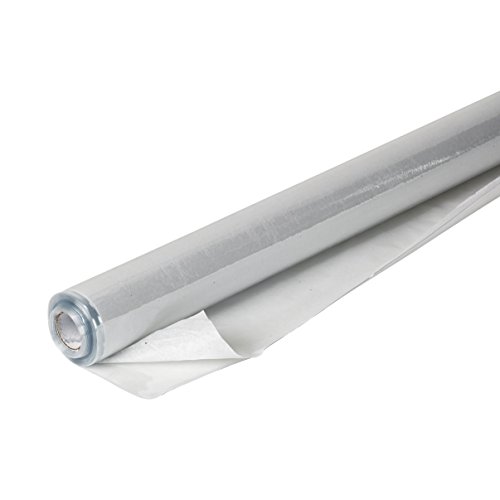
Clear, vinyl sheeting is ideal for moisture-proofing and weatherproofing doors, windows, and furniture covers. The 4-mil thickness offers a balance between clarity and durability, making it suitable for indoor-and-outdoor moisture barriers. Choose this if you need a transparent sheet that remains flexible in cooler conditions. Avoid if you require ultra-heavy-duty protection against sharp tools.
Frost King P1025/3 Polyethylene Sheeting, 3 Mil
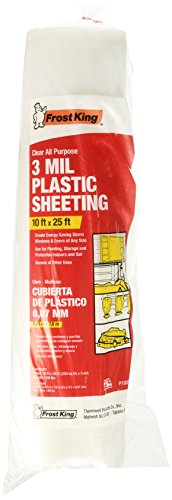
Lightweight yet versatile, this 3-mil polyethylene sheeting is well suited for general construction drop cloths, moisture barriers, and basic greenhouse needs. It’s noted for easy handling and U.S.-made manufacturing. Best for smaller projects or where flexibility is key. A limitation is its lighter thickness, which may tear under heavy impact or sharp edges.
Warp Brothers SP-4CH10-C Clear Plastic Sheeting, 4 Mil
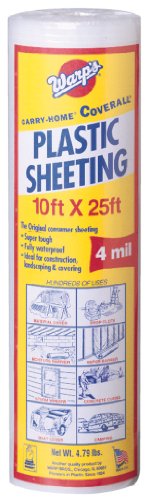
Designed for carry-home and on-the-go use, this 4-mil, moisture-proof plastic sheeting blends portability with durability. It’s a solid pick for quick enclosures, painting projects, or light construction tasks. Best for users who need a balance between weight and protection. Limitation: not the thickest option for demanding-duty jobs.
Farm Plastic Supply Clear Vinyl Sheeting, 15 Mil

High-thickness vinyl sheeting offers maximum protection for furniture, appliances, and outdoor setups. The 15-mil construction makes it exceptionally resistant to wear, UV exposure, and tearing, suitable for long-term greenhouse doors, outdoor work areas, or heavy-duty weatherproofing. Best for long-lasting outdoor applications. Caution: the heavier material is less flexible in tight spaces.
Buying Guide: Key Considerations For Clear Plastic Sheeting
- Thickness and durability: For harsh environments or heavy use, a thicker film (6–15 mil) provides better tear resistance. For simple moisture barriers or indoor use, 3–4 mil is often sufficient.
- UV resistance: If sheets will be exposed to sun, UV inhibitors extend life and prevent yellowing and degradation. Consider UV-rated options for outdoor projects.
- Clarity: For window coverage or see-through needs, prioritize crystal-clear vinyl or polyethylene with minimal haze.
- Size and coverage: Calculate total square footage to ensure you have enough material. Some rolls come in multi-pack configurations for convenience.
- Application: Decide whether you need moisture barriers, drop cloths, greenhouse enclosures, or windows substitutes. Different products excel in different roles.
- Ease of handling: Lighter mil sheets are easier to handle, but thicker sheets require more effort to cut and secure.
Frequently Asked Questions
- What thickness should I choose for a greenhouse cover? In most cases, 4–6 mil polyethylene or similar plastic sheeting offers a good balance of clarity and durability for temporary covers.
- Is vinyl better than polyethylene for window protection? Vinyl generally offers higher clarity and moisture resistance, but polyethylene can be more flexible and economical for short-term projects.
- Can these sheets be used indoors as drop cloths? Yes. Lighter plastics (3–4 mil) work well indoors to protect floors and furniture from dust and paint splatters.
- Will UV exposure ruin plastic sheeting quickly? Without UV inhibitors, prolonged sun exposure can degrade most plastics. Look for UV-rated products for outdoor use.
- How do I dispose of plastic sheeting after a project? Most single-use plastic sheeting can be recycled where facilities exist, but check local guidelines and consider reusing sheets when possible.
- Are there safety considerations when cutting or fastening plastic sheeting? Wear gloves to prevent cuts and use proper tools. Secure sheets with tape or fasteners appropriate for the surface.