Chalkboard paint is a versatile way to convert plain walls into writable canvases for recipes, planners, and kids’ art. When choosing a finish, consider surface compatibility, drying time, and how easily it erases. The following five options balance interior durability with user-friendly application, making them suitable for kitchens, home offices, classrooms, and creative spaces. The table below highlights key specs at a glance to help you compare coverage, base type, and ideal surfaces.
| Product | Brand | Base / Type | Suitable Surfaces | Approx. Coverage |
|---|---|---|---|---|
| QT BLK Chalkboard Paint | Rust-Oleum | Oil-based | Wood, metal, masonry, drywall, plaster, glass, concrete, paperboard, hardboard | 95–120 sq ft |
| Chalkboard Paint Black | INSL-X | Acrylic Interior | Interior surfaces (walls, doors, desks, etc.) | Not listed |
| Krylon Chalkboard Paint (Black) | Krylon | Chalkboard paint (brush-on) | Wood, metal, glass, walls, plaster boards, signs | Not listed |
| Chalkboard Paint Black | American Crafts | Acrylic | Walls, doors, paper, wood, and more | Not listed |
| FolkArt Multi-Surface Chalkboard Paint | FolkArt | Acrylic / Multi-Surface | Walls, furniture, crafts, and other surfaces | Not listed |
Rust-Oleum QT BLK Chalkboard Paint

Rust-Oleum QT BLK Chalkboard Paint is an interior oil-based coating designed to create a writable chalkboard on a wide range of hard surfaces. It is formulated to work on wood, metal, masonry, drywall, plaster, glass, concrete, paperboard, and hardboard, offering a flexible option for diverse projects. The product is intended to be applied over a hard surface to enable chalk writing on most indoor surfaces.
With a coverage range of 95–120 square feet, it dries to the touch in about 30 minutes, speeding up project timelines. The oil-based nature typically yields a durable, erasable surface that withstands repeated erasing and chalk-pen use. This makes it particularly suitable for high-traffic spaces like kitchens, classrooms, studios, and workshops where long-lasting performance matters.
Application guidance emphasizes thin, even coats and proper ventilation due to solvents. Cleanup generally requires mineral spirits, and wait times between coats can extend curing beyond the initial touch-dry window. For best results on glossy or nonporous surfaces, a light scuff and a clean prep are recommended before painting.
INSL-X Chalkboard Paint Black

INSL-X Chalkboard Paint Black is a 100% acrylic interior paint designed to turn virtually any interior surface into a chalkboard. It emphasizes ease of use with no special tools or processes required, which makes it a popular choice for quick projects and beginner applications. The 32-ounce size offers ample coverage for larger walls or multiple surfaces in one project.
Designed for interior surfaces, this acrylic formula cleans up with soap and water and generally offers a low-odor experience compared to traditional oil-based paints. It’s well-suited for walls, doors, desks, and other indoor installations where a smooth, erasable writing surface is desired. When applied correctly, the finish accepts standard chalk and chalk markers with minimal ghosting.
As with any acrylic paint, surface preparation improves results. Lightly scuff glossy areas, clean dust, and consider a test patch to verify erasing performance before committing to a full wall.
Krylon Chalkboard Paint Black
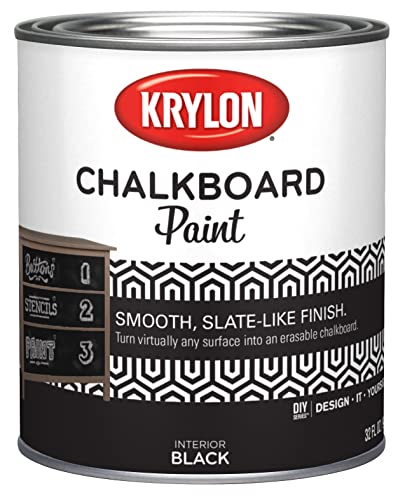
Krylon K05223000 Chalkboard Paint is a brush-on option that creates a tough, slate-like chalkboard surface. The product emphasizes simple application and a durable, long-lasting finish, making it a reliable choice for indoor chalkboard surfaces on a variety of substrates.
It is described as suitable for wood, metal, glass, walls, plaster boards, signs, and frames, giving users flexibility across DIY projects and wall installations. The brush-on format is convenient for detailed work or targeted patches where spray cans are impractical.
For best results, apply thin coats with even coverage and allow adequate drying between layers. As with other chalkboard paints, preparation—such as cleaning and scuffing glossy areas—will help the final surface resist ghosting and be easier to erase over time.
American Crafts Chalkboard Paint Black

American Crafts Chalkboard Paint Black comes in a 16-ounce bottle and is designed for versatile use on walls, doors, paper, wood, and other surfaces. The finish is described as durable and smooth, providing a reliable writable surface that can accept standard chalk writing with ease.
Users are advised to test a small area before wider application to ensure adhesion and desired erasing performance. The acrylic-based nature of many American Crafts chalkboard paints typically allows for straightforward cleanup and a relatively low-odor experience, which is attractive for interior spaces such as living rooms or classrooms.
When planning a project, consider the level of traffic the surface will endure. For kitchens, study rooms, or kids’ areas, maintaining the surface through occasional re-coats can help preserve erase quality and readability over time.
FolkArt Multi-Surface Chalkboard Paint

FolkArt FA2725 Multi-Surface Chalkboard Paint, 16 oz in Black, is a versatile option for crafts, walls, and furniture. The product advertises a chalkboard finish with a rich black color that is easy to condition after drying by rubbing with chalk, a common practice to prepare the surface for regular writing.
Its multi-surface design supports a variety of indoor projects, from decorative wall accents to kid-friendly learning spaces. The paint’s performance tends to be forgiving for beginners while still delivering a durable writing surface that cleans up with standard chalk. Consider testing on a small area to confirm surface response on your chosen substrate.
As with other chalkboard paints, applying multiple thin coats and allowing full cure time will help minimize ghosting and enhance erasing performance over time, especially on high-use walls or furniture pieces.
Buying Guide
Choosing chalkboard paint involves weighing surface needs, durability, and ease of use. Oil-based formulas typically deliver robust, long-lasting surfaces with superior resistance to ghosting, but require good ventilation and solvent-based cleanup. Acrylic or water-based options are generally easier to apply, dry faster, and clean up with soap and water, though they may perform differently on porous or glossy substrates. The right choice depends on space, traffic, and how often you expect to erase and rewrite.
Oil-Based vs. Water-Based Options
Oil-based chalkboard paints, such as some Rust-Oleum products, tend to yield very durable surfaces that resist staining and ghosting after repeated erasing. They often require longer cure times and cleaners like mineral spirits for cleanup. Water-based or acrylic chalkboard paints—like INSL-X and FolkArt—offer a friendlier experience around indoors with lower odor, easier cleanup, and quicker recoat times, but may behave slightly differently on certain substrates or under heavy use.
Surface Preparation and Primer
Successful chalkboard paintings start with clean, dry surfaces. Glossy finishes should be scuffed to improve adhesion, and any dust or grease removed before painting. On porous materials, a sealing primer can help create a uniform base and reduce absorption. Always consider a small test patch on your actual wall to evaluate erasing performance and how well the finish adheres over time on that specific substrate.
Application and Drying Times
Apply thin coats rather than one thick layer to maximize adhesion and uniformity. Allow sufficient drying and curing time as recommended by the manufacturer. Temperature and humidity influence drying, so aim for typical indoor conditions. Between coats, light sanding can yield smoother surfaces, especially on glossy or sealed materials. For best erasing results, avoid high-gloss surfaces that resist chalk buildup and ghost less when properly cured.
Erase Performance and Longevity
Ghosting—where faint marks linger after erasing—varies by product, base, and usage. Acrylic and water-based formulas generally erase well with standard chalk, while some oil-based coatings resist ghosting after full cure. If you plan to erase heavily or use liquid chalk markers, evaluate the product’s ability to clean and recoat without loss of adhesion over time. Regular maintenance and re-coating can extend the chalkboard life in busy areas.
Use-Case Recommendations
- High-traffic kitchens or classrooms: prioritize durable, easy-to-clean surfaces and consider an oil-based option for longevity.
- Nursery, craft rooms, or temporary displays: acrylic or water-based paints for quick projects and minimal odor.
- Glossy or difficult surfaces: pre-sand and potentially seal with a primer to improve adhesion.
- Large walls or furniture: choose products with generous coverage and the ability to recoat efficiently.
Practical Tips for Best Results
Always test a small patch first, especially on surfaces with existing finishes. Use thin, even coats and allow ample drying time between applications. After curing, condition the surface by rubbing chalk all over and cleaning with a dry or slightly damp cloth to reduce ghosting and improve writability. For cleanup, follow the product’s guidance—water-based paints clean with soap and water, while oil-based finishes may require mineral spirits. Proper ventilation remains important for all paint projects.