Answering the search for black and white dance floors, this guide highlights versatile options that suit home studios, rehearsal spaces, and school classrooms. Each top pick is evaluated for stability, ease of setup, and suitability for multiple dance styles. The choices below are best for aspiring dancers, choreographers, and instructors who want a dependable surface without expensive venue rentals. A quick summary table follows to help you compare key details at a glance.
| Product | Size / Coverage | Best for | Key Feature |
|---|---|---|---|
| VEVOR Dance Floor 6.6x23ft | 6.6 ft x 23 ft | Large practice spaces | Reversible white/black PVC with easy cutting |
| VEVOR 6.6 x 15.7 ft Roll | 6.6 x 15.7 ft | Medium rooms | Non-slip, wearproof PVC, reversible sides |
| VEVOR Tiles 12.4 x 12.4 in (25 tiles) | 25 sq ft per box | Modular setups | Interlocking tiles with cushioned base |
| IncStores 1.2mm Reversible Roll | 10 ft x 63 in approx. | Portable setups | Low-reflection matte vinyl Marley floor |
| IncStores 1.2mm 5.25×10 ft Roll | 5.25 ft x 10 ft | Compact spaces | Reversible black/black with light glide |
VEVOR Dance Floor 6.6x23ft: Large Reversible PVC Floor
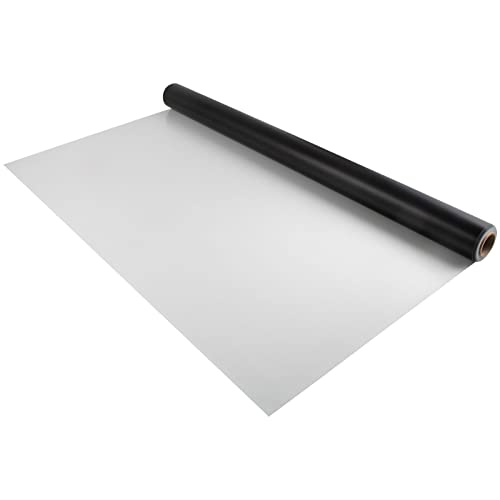
Best for long, uninterrupted practice sessions, this 6.6 ft by 23 ft dance floor roll provides ample space (about 150.7 sq ft) for ballet, jazz, and hip-hop routines. The PVC surface is matte to reduce glare and protect dancers’ feet, with a reversible black/white finish that supports quick style changes without swapping mats. Its scratch-proof and water-resistant construction offers durable use in studios, garages, or event spaces. Suitable for serious practice where a seamless surface matters.
Who it’s best for: larger studios, instructors setting up temporary rehearsal areas, and dancers who require a wide, stable surface. This option is ideal when you need a single, continuous floor without seams for group choreography or technique work.
Limitations: Because it is a large roll, storage and handling can be more challenging than smaller tiles or rolls. It may require a flat, clean floor surface to prevent movement during intense sessions.
VEVOR Dance Floor Roll 6.6 x 15.7 ft

Best for medium-sized spaces, this 6.6 x 15.7 ft roll offers a solid balance of space and portability. The 1.5 mm thickness provides a stable yet forgiving surface with a non-slip matte finish to minimize trips. The dual-sided design allows quick matching to different practice environments and lighting. It’s suited for ballet, contemporary, and contemporary jazz training in home studios or small dance rooms.
Who it’s best for: dancers who need a portable option that fits mid-sized rooms, or teachers who frequently move surfaces between rehearsal spaces. It’s also a good choice when you want a durable surface that’s easy to set up with minimal tools.
Caution: While lighter than full tiles, the roll still requires careful handling to prevent creasing or surface scuffs during installation and removal.
VEVOR Tiles 12.4 x 12.4 in (Oak Wood Grain)

Best for modular, room-wide setups that prioritize a cushioned yet firm surface, these interlocking tiles create a 25 sq ft practice area per box. The wood-grain look provides a visually distinct aesthetic that can help define a dedicated dance zone. The tiles are impact-resistant and pair a non-slip, waterproof layer with edge fasteners to create a stable floor without sharp seams that can snag shoes or feet.
Who it’s best for: buyers who want a DIY floor that can be expanded by adding more tiles over time, and environments that benefit from a cushioned base for tutting, ballet drills, or tap steps. It’s also better for studios that require a consistent tile grid for alignment and spacing.
Limitation: The modular tiles require care during assembly to maintain a flush surface across seams; misalignment can interrupt footwork accuracy.
IncStores 1.2mm Reversible Roll: Black/Grey ProStep

Best for portable, low-reflection practice, this 1.2 mm matte vinyl Marley floor offers a balanced glide and a reversible black/grey finish. The surface reduces glare from stage or home studio lighting, making it suitable for video practice, auditions, and on-camera rehearsals. It’s designed to be rolled out quickly for temporary or semi-permanent setups, and its durable vinyl composition supports a wide range of dance styles, from ballet to Broadway jazz.
Who it’s best for: dancers who travel between studios, performers needing a surface that minimizes light reflections, and choreographers who want a reliable floor for auditions or on-location shoots.
Limitation: The surface speed and feel may differ slightly from traditional wood or cushioned floors, so adjust your technique to the floor’s glide characteristics.
IncStores 1.2mm Reversible Roll 5.25×10 ft

Best for compact spaces, this 5.25 ft by 10 ft reversible roll provides a portable solution that’s easy to store when not in use. The matte vinyl surface minimizes reflections, and its dual-sided black/grey or black/black configuration can support a variety of dance styles while maintaining affordable practicality for home studios, classrooms, or small rehearsal corners.
Who it’s best for: solo dancers, small studios, or students learning in a shared space who need a lightweight floor that can be rolled up after practice. It’s also a good pick for venues needing a quick setup for small-group sessions.
Limitations: The smaller footprint may require multiple rolls for larger routines or group rehearsals, increasing the number of seams to manage.
Livelynine Checkered Black and White Vinyl Flooring Roll
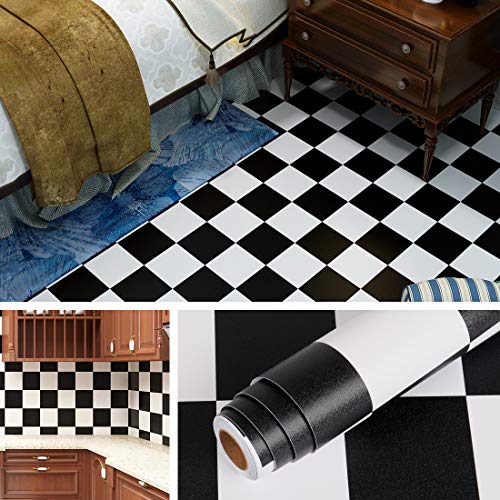
Best for quick coverage in small rooms, this checkered black-and-white vinyl roll provides a self-adhesive solution that’s simple to install. The roll covers about 8.65 sq ft per unit, with a durable waterproof surface suitable for kitchens, bathrooms, or studio corners that double as dance areas. The classic checkered motif offers visual rhythm that can help dancers align formations during choreography practice.
Who it’s best for: individuals needing a temporary, ready-to-go checkered floor for photo shoots, classroom demonstrations, or small studio corners. It’s also useful for renters seeking a non-permanent dance surface that can be peeled away without damage.
Limitation: This option is best for localized patches rather than full-room coverage due to its relatively small square footage per sheet.
Buying Guide: How To Choose The Right Black And White Dance Floor
- Space and layout: Measure your room to determine whether you need a single large roll, modular tiles, or several smaller rolls. Large spaces benefit from continuous surfaces, while smaller rooms may favor modular options that can be reconfigured.
- Surface texture and glide: Matte finishes reduce glare and provide stable footing. Consider whether you prefer a slightly faster or slower glide based on the dance style you practice most often.
- Durability and maintenance: PVC and vinyl floors are common for home studios due to water resistance and easy cleaning. Interlocking tiles can be more forgiving if you need to reposition frequently.
- Portability and storage: Rolls and tiles with lighter weights offer easier transport, but may require more storage space when not in use. If you travel for performances, prioritize roll-out mats with quick setup.
- Seams and risk of trip hazards: Larger seamless surfaces reduce seam-related issues, while modular tiles require careful alignment to avoid gaps that could catch feet during spins or leaps.
- Aesthetic and visibility: A black/white reversible surface helps with visual cues, mirrors, and lighting. Choose a pattern that reduces glare and supports tempo-based choreography.
FAQ: Quick Answers For Buyers
- What is the best option for a large home studio? A long, continuous roll like the 6.6×23 ft VEVOR floor offers wide, uninterrupted space ideal for group practice and larger routines.
- Which floor is best for portable use and frequent travel? Reversible vinyl rolls, such as the IncStores ProStep options, provide portable, roll-out surfaces that are easy to transport and store.
- Are interlocking tiles better than rolls? Interlocking tiles offer modularity and easy replacement of damaged sections, making them practical for rooms that need frequent reconfiguration or expansion.
- How important is the surface finish? A matte, non-slip finish reduces glare and helps dancers feel secure during turns and leaps, while improving longevity and wipability.
- Can these floors be used for tap or flamenco? Yes, but ensure the surface has enough firmness and a suitable texture to protect joints and deliver appropriate sound feedback for percussive steps.
- Do these floors require special tools for installation? Most options are DIY-friendly and require only basic tools or simply unfolding and rolling out; some modular tiles snap together without tools.