Answer: If you need a sump pump backflow valve, choose a model that fits your pipe size, minimizes water hammer, and provides durable seals. The top options listed here are best for basement setups, utility rooms, and areas where noise control and longevity matter. This guide highlights five reliable valves and explains who they’re best for, plus practical buying tips to compare performance and installation ease.
Overview table of selected products:
| Product | Best For | Key Benefit | Pipe Size |
|---|---|---|---|
| Hydro Master 2″ Slip-On Valve | Large sump basins, higher flow | Sturdy ABS with EPDM seals | 2″ |
| Hydro Master 1-1/2″ or 1-1/4″ | Smaller basins, retrofit projects | Versatile size options, corrosion-resistant clamps | 1-1/2″ or 1-1/4″ |
| Ceoighe Sump Pump Check Valve 1-1/2″ | Quiet operation in living spaces | Spring-loaded flapper, visible valve body | 1-1/2″ |
| PumpSpy Silent Check Valve 1-1/2″ | Noise-sensitive areas | Spring-loaded flapper and clear body | 1-1/2″ |
| Solimeta 2 Pack 1-1/2″ | Budget-friendly quiet upgrade | Two-pack with Buna-N couplings | 1-1/2″ |
Hydro Master 2-Inch Sump Pump Check Valve
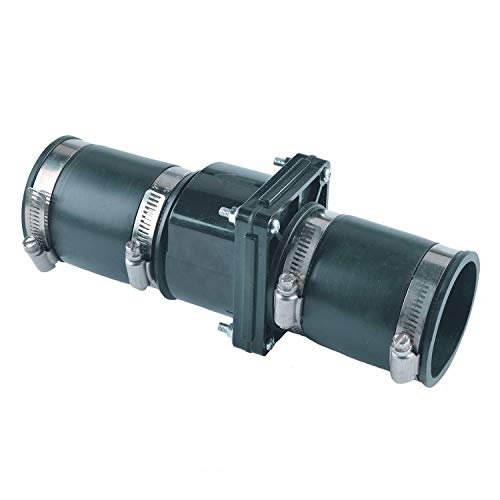
The Hydro Master 2″ slip-on valve is built for larger sump setups. It uses a strong ABS body with EPDM rubber on both ends to prolong service life and stainless steel 301 clamps for corrosion resistance. Best for: basins with higher discharge flow or systems that require a robust, easy-to-install valve. Limitation: larger footprint may not fit compact pits without adequate space.
Hydro Master 1-1/2″ or 1-1/4″ Slip-On Valve
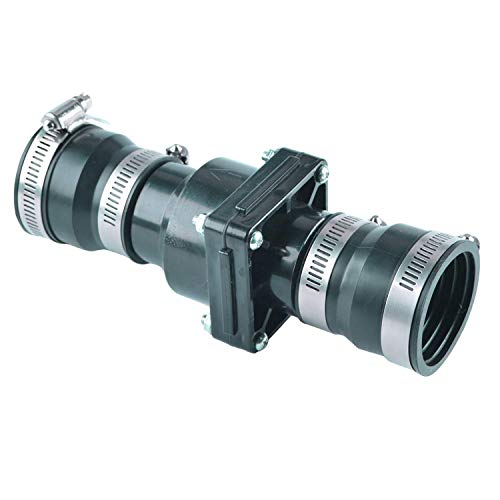
This valve offers versatility by fitting either 1-1/2″ or 1-1/4″ pipes, making it suitable for retrofit projects or smaller basins. It features a solid ABS body and EPDM seals with stainless steel 301 clamps for durability. Best for: homeowners upgrading an existing system with varied pipe sizes. Limitation: not providing a visible window to confirm flow; inspection relies on external indicators.
Ceoighe Sump Pump Check Valve 1-1/2″

Key features include a spring-loaded flapper to reduce water hammer and noise, plus a transparent valve body for visibility. It’s designed to fit 1-1/2″ pipe and installs in tight spaces within a 5-1/8″ gap. Best for: bedrooms, basements, and homes seeking quiet operation. Limitation: transparency helps monitor flow but does not guarantee clog-free operation beyond visual checks.
PumpSpy Silent Check Valve – 1-1/2″
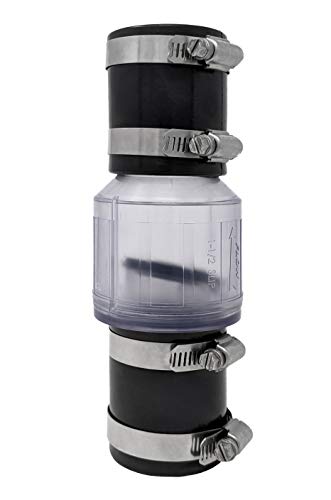
PumpSpy’s valve emphasizes quiet operation with a spring-loaded flapper that reduces water hammer. The clear valve body provides visibility of water movement, and stainless steel clamps with Buna-N couplings simplify installation for 1-1/2″ Schedule 40 piping. Best for: homes needing quiet, low-noise sump drainage. Limitation: may be bulkier than basic valves in very small basins.
Solimeta 2 Pack 1-1/2″ Silent Check Valve

Solimeta offers a cost-effective two-pack option with Buna-N couplings. It uses a spring-loaded, quiet design with a transparent body for easy status checks. Best for: tight budgets and the need to equip multiple basins or pump lines. Limitation: two-pack variety means you purchase in multiples, which may be unnecessary for single-setup projects.
Threlaco 1 Pack 1-1/2″ and 1-1/4″ Valve
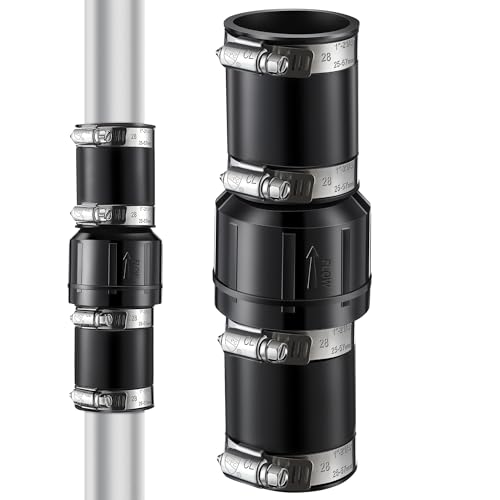
The Threlaco valve offers a robust ABS body and stainless steel clamps for better sealing and durability. It’s designed to fit multiple pipe sizes and emphasizes reduced noise via a flexible connection and baffle design. Best for: installations requiring a durable seal across sizes. Limitation: installation may require careful alignment to ensure the flexible hose ends seal properly.
Buying Guide: Key Considerations for Sump Pump Check Valves
- Pipe size compatibility: Confirm your discharge line size (commonly 1-1/2″ or 2″) and choose a valve that slips on securely without adapters.
- Noise reduction: If basement living spaces matter, prioritize spring-loaded flappers or quiet designs to minimize water hammer.
- Material and durability: ABS bodies with EPDM seals resist corrosion; stainless steel clamps extend life in damp environments.
- Visibility and monitoring: Clear valve bodies help you confirm flow and detect clogs without disassembly.
- Installation footprint: Check the space around the pit; some valves need extra clearance for clamps or bulky bodies.
- Warranty and maintenance: Look for valves with simple maintenance and readily available replacement parts.
- Budget vs. value: Multi-pack options may save money for multi-pump setups but evaluate whether you need extra units.
Frequently Asked Questions
- What is a sump pump backflow valve used for?
It prevents pumped water from flowing back into the sump basin, protecting the pump and reducing re-pumping requirements.
- Which valve is best for quiet operation?
Valves with spring-loaded flappers and transparent bodies, such as Ceoighe or PumpSpy models, tend to minimize noise and provide flow visibility.
- Do I need a specific size for my pipes?
Yes. Most common sizes are 1-1/2″ and 2″. Choose a valve that slips directly onto your discharge pipe or pipe fittings without aggressive adapters.
- Is a transparent valve body necessary?
Not necessary for function, but it helps quickly verify flow and diagnose clogs or blockages without disassembly.
- Can I replace just the valve or do I need a new pump?
Most sump pump setups allow you to replace only the check valve if there are backflow or noise issues, helping extend the pump’s life.
- How important is corrosion resistance?
Corrosion-resistant clamps and durable plastics extend the valve’s life in moist basements and outdoor pits.