If you’re looking to refresh wood with an antique white finish, these stains are designed to add a soft, vintage tint while preserving grain. They’re suitable for furniture, cabinets, trim, and paneling, and many offer quick drying and easy application. This guide highlights five top choices and explains who each one is best for, plus practical buying tips.
| Product | ||
|---|---|---|
| Varathane Premium Fast Dry Wood Stain, Quart, Antique White | Oil-based, interior | Furniture and cabinets needing a durable antique white finish |
| Varathane Premium Fast Dry Wood Stain Spray, Antique White | Oil-based spray, interior | Intricate projects and hard-to-reach areas |
| Minwax Wood Finish, Simply White, Half Pint | Oil-based, interior | Quick, even color on furniture and doors |
| Varathane Water Based Wood Stain, White Oak | Water-based, interior | Low odor option with buildable color |
| Varathane Less Mess Wood Stain and Applicator, Whitewash | Water-based, craft-friendly | Small projects and crafts with easy cleanup |
Varathane Premium Fast Dry Wood Stain — Antique White (Quart)
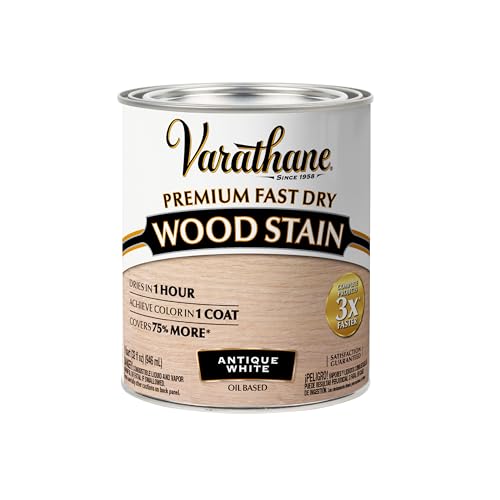
Best for: interior furniture, cabinets, doors, and trim needing a durable antique white finish. This oil-based stain dries to the touch in about 1 hour and covers up to 275 square feet, enabling quick projects. It provides one-coat coverage for many wood species, making it a solid choice where speed matters.
Why chosen: It combines fast drying, one-coat coverage, and strong interior durability, which is ideal for visible woodwork. The oil-based formulation enhances grain while delivering the antique white tone.
Caution: Oil-based stains can require longer curing times for full hardness and may have stronger odor during application. Ensure proper ventilation and allow adequate cure time before use.
Varathane Premium Fast Dry Wood Stain Spray — Antique White

Best for: projects with tight corners or intricate shapes where brushing is impractical. The spray format yields quick, even coverage on interior furniture, cabinets, and doors, with up to 40 sq. ft. per can. It speeds up completion for multiple pieces or larger crafts.
Why chosen: A spray stain is ideal for detailed work or large surfaces when you want a consistent antique white color across irregular grain. It complements the traditional whitewashed look with a smooth finish.
Caution: Sprays can overspray rooms easily; use a spray booth or ensure good ventilation. Follow can directions for multiple light passes rather than a single heavy coat.
Minwax Wood Finish — Simply White Stain, Half Pint
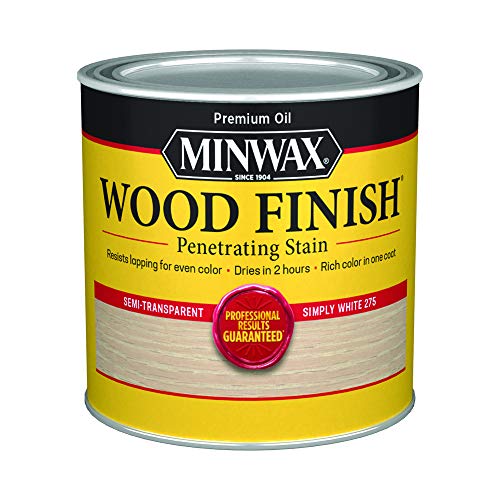
Best for: interior staining on furniture, cabinets, and doors where quick color development and grain enhancement are desired. This oil-based finish penetrates deeply and dries in about two hours, assisting faster project completion without sacrificing depth of shade.
Why chosen: Minwax’s formula is known for rich color and easy application with a traditional wipe-on method. It’s a reliable pick when you want a classic antique white with pronounced grain.
Caution: In hot or dry conditions, excess stain may dry too quickly, causing lap marks. Apply evenly and wipe promptly to maintain a uniform appearance.
Varathane Water Based Wood Stain — White Oak

Best for: indoor projects seeking a low-odor option with buildable color. Water-based stains are easier to clean up and typically have lower VOC levels, making them friendly for home environments.
Why chosen: The White Oak shade adapts well to antique white aesthetics by adding warmth without overpowering the wood grain. It’s especially suitable for lighter wood species or rooms with limited ventilation.
Caution: Water-based stains may require multiple coats to achieve a deeper antique white result compared with oil-based stains.
Varathane Less Mess Wood Stain and Applicator — Whitewash

Best for: small crafts and DIY projects where cleanup and mess are a concern. This 2-in-1 product combines stain and applicator for convenience and a clean whitewash effect on light wood tones.
Why chosen: A whitewash look provides an antique vibe with minimal color depth, ideal for accent pieces, picture frames, and cabinetry details where you want a softer finish.
Caution: Whitewash results can appear uneven on highly figured wood; apply in thin, even coats and wipe to control translucency.
Buying Guide: Key Considerations For Antique White Wood Stains
- Finish type and odor: Oil-based stains deliver deeper color and longer durability but have stronger odors and longer cure times. Water-based options are lower odor and easier cleanup but may require more coats for depth.
- Color depth and grain: Antique white tones range from subtle to pronounced. Consider whether you want a wash that highlights grain or a more opaque color that hides it.
- Application method: Brush, wipe, spray, or a combined approach affects speed and finish. Sprays are fast but require ventilation; brushes give control for uneven grain.
- Surface compatibility: Most interior wood projects work with these products, but always check the label for recommended wood types (softwoods vs. hardwoods) and surface prep needs.
- Drying and cure times: Quick-dry formulas save time but may require careful handling until fully cured. Plan project steps accordingly to avoid smudges or marks.
- Finish durability: For high-traffic areas (doors, trim), choose a stain with strong colorfastness and resistance to wear. Some formulations include protective topcoats or require a separate sealant.
Frequently Asked Questions
- What is the best stain for antique white on oak?
– Water-based options or oil-based stains with warm white tones work well on oak, preserving grain while offering a vintage look. - Can I apply multiple coats for a deeper antique white color?
– Yes, especially with water-based stains. Allow drying between coats and follow label guidance to avoid blotching. - Is odor a concern with antique white stains?
– Oil-based stains tend to have stronger odors; consider ventilation and air flow. Water-based stains are generally lower odor. - How long should I wait before handling stained furniture?
– Cure times vary; refer to the product label. Quick-dry formulations may be touch-dry in about an hour but full cure can take longer. - Which finish is easiest to clean up?
– Water-based stains are typically easiest to clean up with soap and water, making them practical for beginners. - Should I use a topcoat after staining?
– A sealant or topcoat can protect the finish, especially on high-traffic surfaces. Follow product recommendations for compatibility.