The following article highlights five solid aluminum radiator options that balance performance, durability, and value. Each product is designed to fit common makes and provides a lightweight, high-strength core. Read on to compare features, compatibility notes, and installation considerations to help you choose the best aluminum radiator for the money.
Summary of selected products:
| Product | Brand | Core Type | Key Benefit | Approximate Fitment |
|---|---|---|---|---|
| DNA Motoring DPI 618 1-Row Aluminum Core Radiator | DNA MOTORING | 1-Row Aluminum Core | Lightweight, direct-fit for 4.3L–5.7L engines | Chevy/C/K pickup and Suburban variants (1988–1995 era) |
| RADREPLA CU716 3 Row Aluminum Radiator | RADREPLA | 3-Row Aluminum Core | Upgraded cooling with high efficiency | Chevy/GMC pickups and Blazer/Jimmy variants (1973–1991 range) |
| DNA Motoring RA-HC92-42-2 Aluminum Radiator | DNA MOTORING | 2-Row Dual Core | Compact fit for Honda/Acura MT engines | Honda Civic/Del Sol/Integra (1992–2001) |
| AUTOSAVER88 Full Aluminum Radiator | AUTOSAVER88 | 2-Row Aluminum Core | Direct-fit, high efficiency with multi‑louvered fins | Chevy/GMC C/K series and SUVs (mid‑1990s to late‑1990s) |
| TRQ Radiator Assembly Aluminum Core 1 Row | TRQ | 1-Row Aluminum Core | DIY-friendly with install videos and wide compatibility | Subaru Legacy/Outback 2015–2019, among others |
DNA Motoring DPI 618 1-Row Aluminum Core Radiator
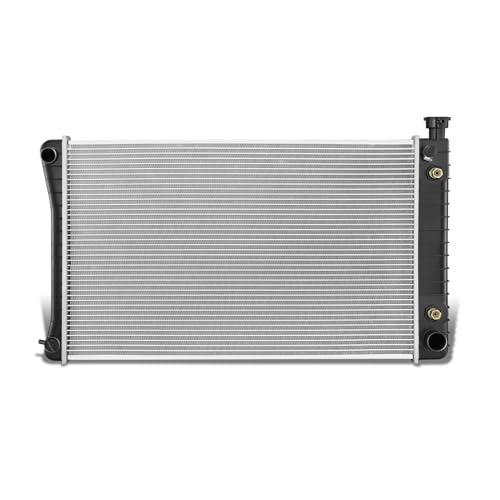
The DPI 618 1-Row radiator is designed as a lightweight replacement for late‑80s Chevrolet/GMC trucks and SUVs. Its 1‑row core emphasizes reduced weight while maintaining adequate cooling for small-block V8 engines. Key dimensions and fitment notes indicate alignment with core and inlet/outlet expectations for mid‑1990s GM platforms. The construction pairs ABS housing with a durable aluminum core, offering a balance between price and performance for budget-minded restorations or daily drivers.
Core size and mounting compatibility are important when upgrading to an all‑aluminum unit. This DPI 618 option is built to slot into existing radiator supports with minimal adapter work, making it a practical choice for enthusiasts who want a straightforward installation without custom fabrication. It’s wise to verify clearance around fans, hoses, and shrouds before purchase, especially on older assemblies where clearance can vary by model year.
RADREPLA CU716 3 Row Aluminum Radiator

The CU716 radiator from RADREPLA emphasizes enhanced cooling capacity with a 3‑row aluminum core designed for classic Chevy/GMC pickups and related models. Its extended core surface area supports higher heat rejection in demanding driving conditions or when towing. The product notes highlight TIG welding and a no‑epoxy construction approach that improves durability and helps resist leaks over time.
Installation considerations for a 3‑row unit include ensuring fan clearance and verifying that the radiator shroud and mounting points align with the vehicle’s radiator core support. The robust aluminum construction offers long‑term rigidity, but users should inspect mounting hardware and adapters to avoid vibration or misalignment at highway speeds. For those chasing cooler engine temperatures under load, this unit provides a meaningful upgrade over stock radiators.
DNA Motoring RA-HC92-42-2 Aluminum Radiator

The RA-HC92-42-2 radiator targets Honda and Acura enthusiasts seeking a lightweight upgrade for 1992–2001 MT platforms. This 2‑row dual‑core unit provides a compact cooling solution without adding excessive weight. Core dimensions and inlet/outlet sizing are specified to help buyers confirm fitment with Civic, Del Sol, and Integra applications that use these dimensions.
As with any aluminum radiator, compatibility checks are essential. The absence of an engine oil cooler on this model means vehicle owners should consider their cooling needs and whether TOC/EOC pathways will be affected by the swap. The emphasis on T‑6061 aluminum and ABS housing supports durability, but buyers should review fan configuration and radiator cap compatibility to ensure full system compatibility and leak‑free performance.
AUTOSAVER88 Full Aluminum Radiator

The AUTOSAVER88 radiator series is positioned as a high‑efficiency, OE‑style replacement with full aluminum construction and high‑density fins. The product notes specify compatibility with a broad range of GM pickups and SUVs from the late 1990s to early 2000s, highlighting a direct-fit design intended to simplify installation for DIY enthusiasts. The multi‑louvered fins are designed to improve cooling performance, especially in hot climates or demanding driving conditions.
Installation considerations for this radiator include checking the fitment against the exact vehicle year, trim, and engine configuration. While the direct-fit claim is helpful, variances in cooling fans, shrouds, and hoses can require minor trimming or adapter hardware. The aluminum build reduces weight and supports better heat transfer, contributing to a cooler operating temperature and potentially extending engine life under heavy use.
TRQ Radiator Assembly Aluminum Core 1 Row

The TRQ 1‑row radiator is marketed with a focus on DIY convenience and broad compatibility, including subaru legacy/outback models from 2015 to 2019. It emphasizes an extensive catalog of DIY videos to aid installation, making it a practical option for hobbyists and those who prefer visual guidance. The 1‑row aluminum core provides a lighter weight upgrade with adequate cooling for many moderate‑duty setups.
Users should verify the specific fitment in the Amazon Garage and compare core dimensions, inlet/outlet locations, and mounting points against their vehicle. The TRQ offering typically targets easier installations and cost efficiency, which can be appealing for budget projects or interim fixes while awaiting a more robust upgrade. Consider whether your driving demands—daily commuting versus frequent towing—justify a higher‑capacity core or a multi‑row design for headroom in peak heat conditions.
Buying Guide: Key Considerations For Aluminum Radiators
- Fitment and compatibility: Confirm core dimensions, inlet/outlet size, and mounting points against your vehicle’s year, make, and model. Some radiators share a family of compatibility, while others are highly specific.
- Core design and cooling capacity: Single-row versus multi‑row cores offer different cooling capacities and weight. For heavier use, towing, or high‑heat environments, a 2‑ or 3‑row core may be advantageous.
- Materials and construction: Look for TIG‑welded joints and no epoxy seals when possible. Aluminum cores with ABS or aluminum tanks provide durability and corrosion resistance under varied conditions.
- Installation ease: Direct‑fit designs with clear mounting points and compatible shrouds reduce installation time. DIY enthusiasts should check for necessary tools and potential need for adapters.
- Maintenance and longevity: Aluminum radiators typically offer good heat transfer and resistance to clogging, but ongoing maintenance—flushing, coolant type, and timing—remains important for longevity.
- Vehicle usage profile: Daily driving in hot climates vs. performance driving will influence the preferred cooling capacity and core density. Fuel economy and engine longevity can benefit from better cooling performance.
- Warranty and support: Review manufacturer or seller warranties, return policies, and available technical support to address install questions or potential leaks.
Overall, aluminum radiators commonly deliver weight savings and improved heat rejection compared to stock units. For budget-conscious buyers, models like DNA Motoring DPI 618 and AUTOSAVER88 provide solid value with straightforward fitments, while RADREPLA CU716 and larger 2‑ to 3‑row cores target higher cooling demands. Always verify fitment with your specific vehicle and intended use, and consult installation resources or professional support if needed.